Women's Orange Dresses Guide
One dress, instant sunshine — orange dresses range from soft apricot for spring weddings to deep rust for autumn evenings.
Shop Women's Orange Dresses Now
Shop Women's Orange Dresses on Amazon Shop Women's Orange Dresses on eBayThe Amazon and eBay links on this page are affiliate links. If you make a purchase through them, Apparel Search may earn a commission.
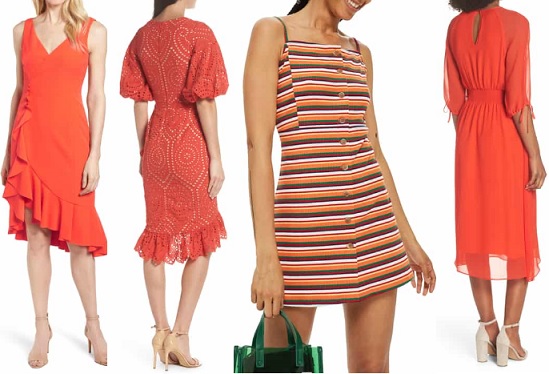
Few garments lift a mood like an orange dress. It is the color of late-afternoon light and ripe fruit, and worn as a single, complete outfit it needs almost no help from accessories to look finished. The range is wider than most shoppers expect: a pale apricot sundress whispers where a tangerine cocktail dress declares, and a rust knit dress feels as calm as a neutral while still warming the skin. Orange dresses suit weddings, holidays, work and weekends, provided the shade and fabric match the occasion. The common mistake is grabbing the brightest orange on the rail; the smarter approach is choosing where on the spectrum your skin, your season and your event meet. This guide maps the shades, the fits and the styling that make orange dresses easy to wear. Our general guide to women’s dresses covers the classic silhouettes in more depth if you are still deciding on a shape.
Shades of Orange for Dresses
Apricot and peach dresses are the gentle entry point, ideal for spring weddings, daytime parties and anyone with a cooler complexion, since their pink-softened tones flatter without overwhelming. Melon and coral-orange bring a summery brightness that suits sundresses and holiday dressing. Tangerine is the confident center of the family — vivid, youthful and unforgettable at parties, though it demands simple accessories and suits warm skin best. Marigold leans golden and glows in evening light. Terracotta dresses behave like warm neutrals, working from office to dinner, while burnt orange and rust are autumn’s richest dress colors, especially in knit, satin or velvet for evening. When trying shades, step to a window: orange changes more between artificial and daylight than almost any other color, and the dress you love should be loved outdoors too.
Choosing the Right Orange Dress
Let the occasion set the shade first, then fit the dress to your body. Formal events favor depth — rust satin, burnt orange crepe — while daytime events welcome apricot and melon. A-line and wrap silhouettes in orange flatter most figures because the color itself supplies the drama and the shape supplies the ease; a sheath in bright tangerine is striking but unforgiving, so check it seated as well as standing. Fabric changes everything: matte crepe and knit calm a vivid shade, while satin and sateen amplify it. Match shade to skin with honesty — golden and olive tones glow in tangerine and rust, deeper skin carries saturated orange beautifully, and cooler complexions shine in apricot or in deep rust worn with a neckline that keeps some distance, such as a V or scoop.
How to Wear an Orange Dress
The golden rule is to let the dress be the loudest thing you wear. Shoes in nude, tan or brown leather extend the leg and never compete, while white sandals keep a summer orange dress fresh and gold heels warm it for evening. Keep jewelry to one family — gold earrings and a bracelet suit orange’s warmth far better than silver or mixed metals. A denim jacket over an apricot or tangerine sundress makes it everyday-wearable, and a cream cardigan softens stronger shades for daytime events. For work, choose terracotta or rust, add a structured bag and closed shoes, and the dress reads as polished as any navy standard. If the dress is bright and the event is formal, carry a small neutral clutch and resist the urge to add a second statement anywhere else in the outfit.
Styling Combinations
Orange dresses pair most gracefully with the warm neutral family: cream, khaki, camel and chocolate all sit comfortably beside them, and a woven tan bag or raffia texture completes summer versions beautifully. Denim blue is the complementary contrast — a chambray shirt knotted over a simple orange dress, or a denim jacket, makes the orange look cleaner and more vivid. Olive and sage accessories give terracotta dresses an earthy, outdoorsy character, while a touch of leopard print, which contains orange’s whole palette, looks surprisingly tailored against rust. Avoid red shoes or bags, which clash at close range, and avoid black tights with bright orange, where the contrast turns costume-like; sheer nude or chocolate hosiery is far softer. Leopard aside, keep prints elsewhere out of the outfit and let texture — linen, crochet, woven leather — provide the interest. When you are ready to shop, browse Dress Stores for retail options; trade readers can also consult Dress Wholesalers and Dress Factories.
Caring for Orange Dresses
Orange dresses often carry a whole event’s hopes, so protect the color that made you choose them. Bright orange dyes fade faster than most, particularly in cotton and rayon sundresses, so wash inside out in cold water with a gentle detergent, and wash the dress alone or with other warm colors for its first few washes in case dye releases. Skip chlorine bleach on stains; pre-treat marks with a color-safe product instead. Dry in shade rather than full sun, since an hour of strong sunlight can visibly dull a tangerine dress, and store it away from light in the closet. Satin, velvet and embellished rust dresses deserve professional cleaning. Iron or steam inside out at the fabric’s proper temperature, and hang knit orange dresses folded over a hanger bar so their weight does not stretch the shoulders.
More Orange Clothing Guides
Looking for Women's Clothing Stores?
This guide helps you choose orange dresses by shade, style and occasion. To browse where to buy, visit our women's clothing store directory, where you can find retailers that carry them.