Women's Plus Size Maternity Clothing Guide
Plus size maternity clothing combines two sizing systems at once — your pre-pregnancy plus size as the base, with engineered stretch, empire waists and belly panels that grow through each trimester.
Shop Women's Plus Size Maternity Clothing Now
Shop Women's Plus Size Maternity Clothing on Amazon Shop Women's Plus Size Maternity Clothing on eBayThe Amazon and eBay links on this page are affiliate links. If you make a purchase through them, Apparel Search may earn a commission.
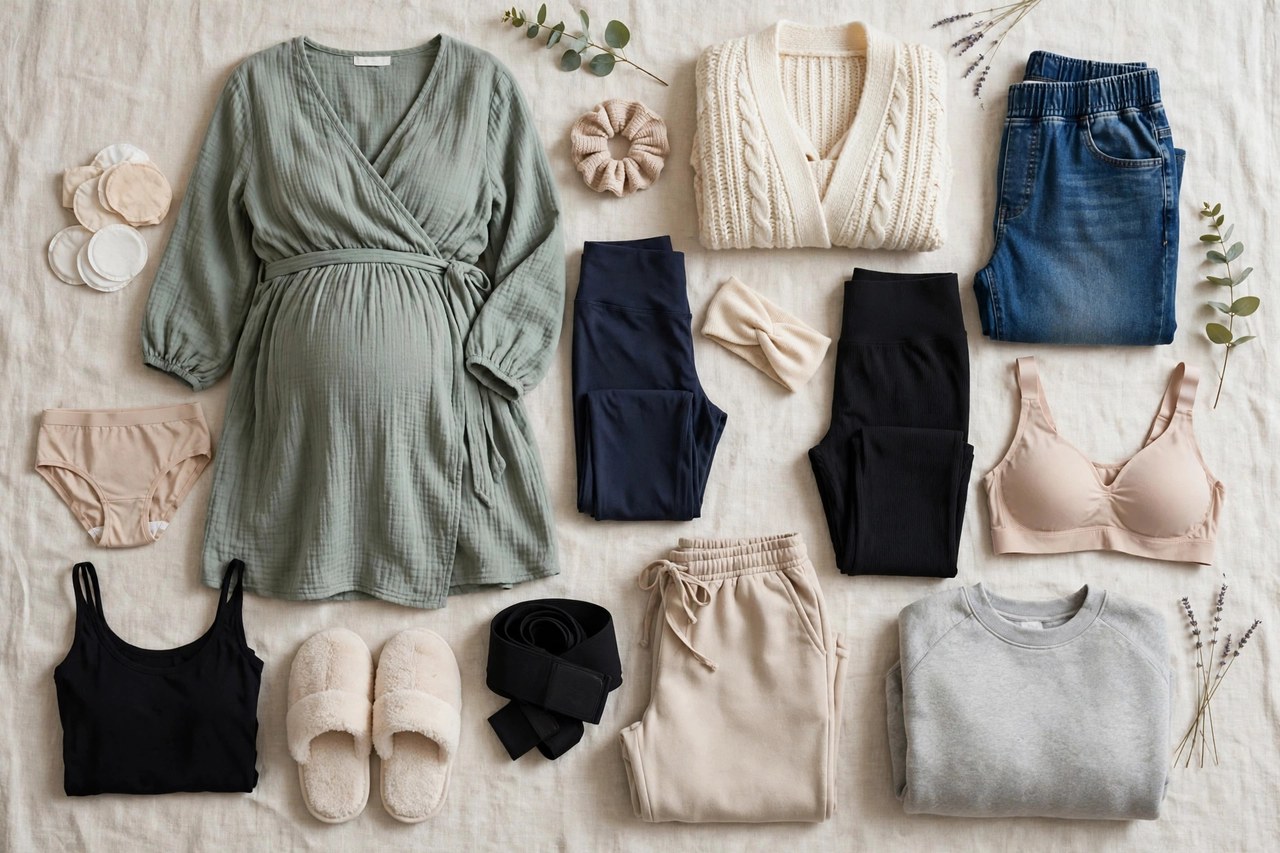
Plus size maternity clothing asks a sizing system to do two jobs simultaneously. The base is your plus size — 14W to 32W or 1X and up — which sets shoulder, bust, hip and arm dimensions. Layered on that base, maternity design adds room that grows: stretch panels at the belly, empire seams that clear the bump, ruching that expands, and wrap fronts that adjust week by week. When either half of that combination is missing, the garment fails, which is why dedicated plus maternity ranges matter.
This guide explains how combined sizing works, the panel and waistband constructions to compare in bottoms, how tops and dresses accommodate both a fuller bust and a growing belly, and how to plan a small wardrobe that covers pregnancy and the nursing months without buying three full sets of clothes. The governing rule is simple: start from your pre-pregnancy plus size, then let maternity engineering handle the change.
How Combined Sizing Works
Most plus maternity brands instruct you to order your pre-pregnancy size: a woman who wore 18W or 2X before pregnancy starts with 18W or 2X maternity. That works because the pattern already includes growth room at the belly and bust while keeping your established shoulder, sleeve and hip grading. Buying regular plus sizes a size or two up instead gives you growth room everywhere, including shoulders that slide and sleeves that drown the arm, and still may not fit the belly by the third trimester.
Measure bust, hip and, as pregnancy progresses, belly at the fullest point, and recheck against the brand chart each trimester, because plus maternity ranges vary in how much growth they build in. Some women stay in their starting size throughout; others move up once late in pregnancy as bust and hip change too. Adjustable features — drawstring waists, wrap ties, multi-position panels — extend the life of each piece and are worth prioritizing over fixed constructions at every price level.
Bottoms: Panels, Waistbands and Support
Maternity bottoms in plus sizes differ mainly at the waist. Full-panel styles carry a wide stretch panel over the belly, giving support and a smooth line under tops, and suit later pregnancy best. Under-belly bands sit below the bump with a contoured elastic band, feel cooler and less enclosing, and often work earlier and again soon after birth. Side-panel jeans and trousers use elastic inserts at the pockets for a near-normal look with moderate growth room.
In plus sizes the panel itself must be sized generously: a too-small panel rolls down constantly and presses at its top edge. Check that jeans and trousers keep your usual plus rise at the back, that leggings use the wide, high maternity waistbands described in the leggings guide, and that skirts offer either a full panel or a wide fold-over band. Comfort at the waist is not a luxury in maternity wear — it is the feature you will judge every bottom by, every day, for months.
Tops and Dresses: Bust, Empire and Wrap Fits
Maternity tops in plus sizes must accommodate a bust that is both fuller to start and still growing, plus a belly that changes the hemline weekly. Empire seams placed just under the bust let fabric fall clear of the belly, side ruching gathers extra length that deploys as the bump grows so the front hem does not creep upward, and stretch jerseys in cotton-modal or rayon blends give the most forgiving fit across the whole pregnancy. Button-front styles need the bust gape checks from the shirt guides, with even less tolerance for strain.
Dresses follow the same logic: empire and wrap dresses are the workhorses, maxi lengths avoid hemline surprises as the front rises, and fit-and-flare silhouettes in stretch fabrics dress up without structure fighting the belly. Many plus maternity tops and dresses add discreet nursing access — lift-up panels, wrap fronts or button plackets — which extends their use into the months after birth and improves value substantially. When buying for an event late in pregnancy, fit for the size you will be then, with adjustability as insurance.
Planning a Small Wardrobe and Value
A workable plus maternity wardrobe is small and combinable: two or three bottoms with panels you find comfortable, five to seven stretch tops that layer, one or two dresses, a supportive legging, and your existing plus cardigans, jackets and open-front layers worn over the top. Non-maternity plus pieces with empire waists, high stretch or wrap fronts can fill gaps, especially early. Prioritize fabric quality and waistband comfort in the pieces worn daily over variety in pieces worn once.
Care for maternity stretch fabrics as you would any elastane garment — cold wash, low or air dry — because panels and ruching depend on recovery to keep working as you grow. Buy in stages rather than all at once: a first set when regular waistbands stop being comfortable, additions as the third trimester changes the fit again. Keep the nursing-friendly pieces in rotation after birth, and store the rest cleaned and folded; well-made plus maternity clothing holds strong resale and hand-me-down value because the size range is so underserved.
Related Women's Guides
More to Explore on Apparel Search
Looking for Women's Clothing Stores?
This guide helps you choose women's plus size maternity clothing. To browse where to buy, visit our women's clothing store directory, where you can find retailers that carry them.