Women's Plus Size Rain Coats Guide
Plus size rain coats are waterproof coats specifically — sealed seams, hoods and lengths that shed water over 14W to 5X proportions without trapping heat or pulling at the bust.
Shop Women's Plus Size Rain Coats Now
Shop Women's Plus Size Rain Coats on Amazon Shop Women's Plus Size Rain Coats on eBayThe Amazon and eBay links on this page are affiliate links. If you make a purchase through them, Apparel Search may earn a commission.
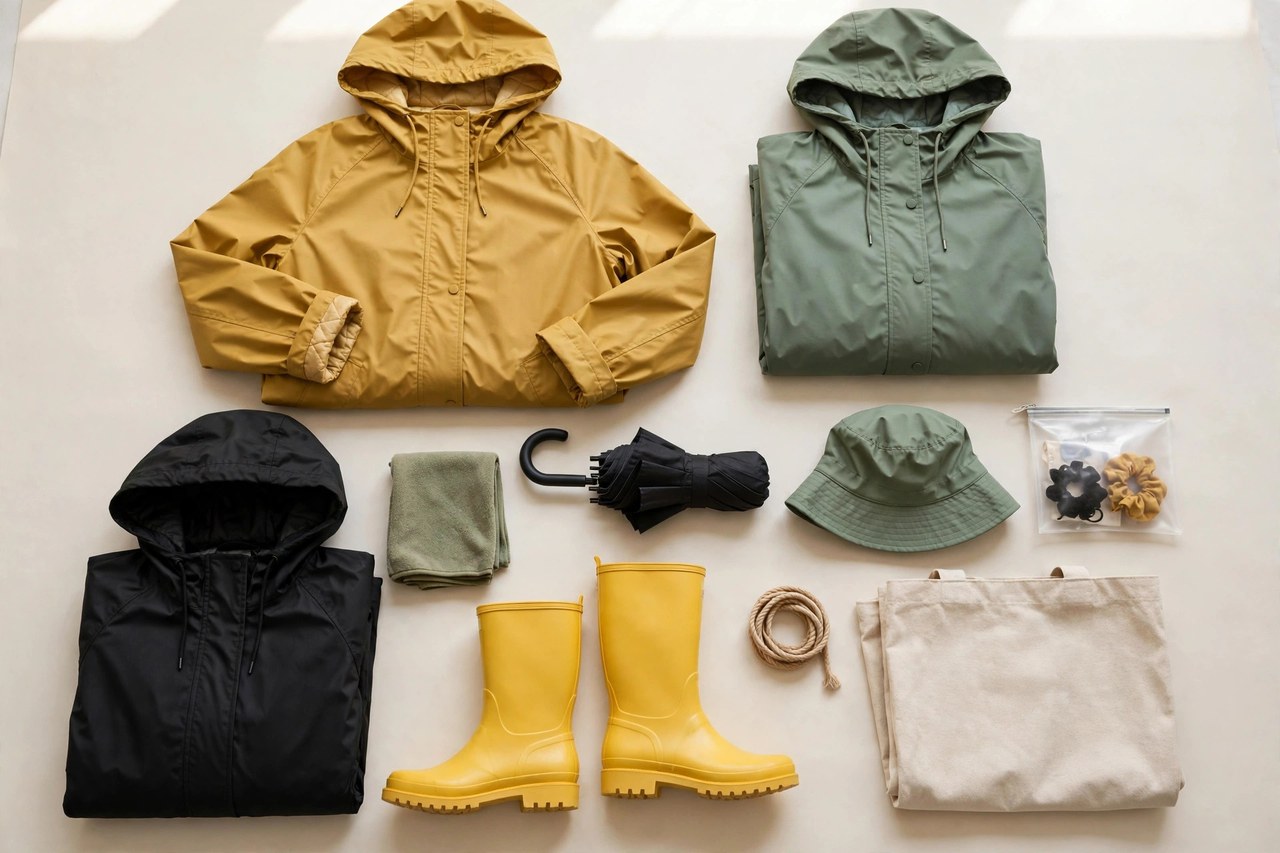
A rain coat is a coat whose defining job is waterproofing. That sounds obvious, but the category is full of coats that merely resist a shower, and in plus sizes from 14W to 5X the distinction matters more, because a fuller body stretches coatings and seams over a larger area and a coat that fails does so at the bust, shoulder and seat first. This guide is about the waterproof coat itself — its membranes, sealed seams, hood and length — as distinct from the broader rainwear category of boots, pants and umbrellas covered in the rainwear guide.
Shop a rain coat by its water protection rating and construction first, its looks second. The checks below separate genuine rain protection from styling.
Waterproof Versus Water-Resistant, in Plain Terms
A waterproof rain coat uses a membrane or coating plus sealed or taped seams so water cannot enter at the stitching, and it carries a hydrostatic rating — commonly 5,000mm for everyday rain up to 20,000mm for sustained downpours. A water-resistant coat uses a surface treatment, called DWR, that makes water bead and roll off for a while, but its seams are unsealed and prolonged or driven rain eventually soaks through. Both are useful; only the first keeps you dry through a wet commute.
Plus fit affects waterproofing directly. When a coat is too tight across the bust, back or seat, the fabric and its membrane sit under constant tension, seams strain, and zips bow — all leak points. Correct plus sizing with room for a mid-layer is therefore part of the waterproof system, not a comfort extra. Look for ranges that grade hood size, sleeve length and back width along with body size, because a coat that fits the torso but leaves wrists exposed and a hood that will not stay up is only partially a rain coat.
Styles: Trench, Long, Packable and Poncho Coats
The waterproof trench adapts the tailored classic with sealed construction beneath the storm flap, belt and epaulettes, giving office-appropriate polish that is genuinely rainproof — verify the sealing, since fashion trenches often skip it. Long rain coats to the knee or below protect trousers and dress hems and suit walking commutes; in plus sizes check stride room and a back vent or two-way zip so length does not bind the knees. Packable rain coats in light membranes fold into a bag and trade insulation and structure for portability.
The rain poncho coat and cape styles offer the most generous plus fit of all, shedding water away from the body entirely and fitting over any layers or bag; their weakness is wind, which lifts loose volume, and a less formal look. A-line rain coats flare from the bust and suit fuller hips without needing a larger top size. Whatever the style, cuffs should adjust or carry an inner seal, because rain runs down raised arms into open sleeves faster than it falls through most fabrics.
Hoods, Closures and Breathability
A rain coat hood for plus wear should adjust in at least two places, stay up in wind without blocking side vision, and be large enough for hair worn up. Detachable and stowaway hoods add versatility; a fixed hood gives the best neck seal. The neck opening itself should close high enough to stop drips from reaching clothing beneath, and a soft chin guard on the zip prevents the cold, wet zipper contact that makes people leave coats open and defeat their purpose.
Closures are leak engineering. A zip with an external storm flap fastened by snaps or hook-and-loop resists driven rain far better than an exposed fashion zip, and waterproof zips with sealed teeth exist on technical coats. Breathability decides comfort inside the seal: membranes rated for vapor transfer, pit zips and mesh linings all reduce the clammy buildup that occurs when a waterproof coat is worn over a warm body walking briskly. In plus sizes, where the coat covers more surface and activity heat is real, ventilation features are worth prioritizing over small price differences.
Sizing Over Layers and Reproofing Care
Fit a rain coat over the layers you wear in your rainy season — for many climates that is a sweater, not a winter parka, because waterproof shells are usually designed as one layer of a system. You need full arm raise and a closed front with no zip strain, plus hem coverage that still protects when seated on wet benches or bike saddles. If you will use one coat over winter layers too, consider a slightly longer, roomier style and accept a looser fit in summer, or own a light packable for warm rain separately.
Maintain waterproofing actively. Wash technical rain coats with specialist or gentle detergent — standard detergents and softeners clog membranes and strip DWR — then tumble low or iron gently if the label allows, because warmth reactivates the surface treatment. When water stops beading, reproof with a wash-in or spray-on proofer, concentrating on shoulders and other high-wear areas. Store the coat hung and dry, never packed damp. A plus rain coat maintained this way stays honestly waterproof for years, which is the entire point of buying one.
Related Women's Guides
More to Explore on Apparel Search
- Plus Size Clothing
- Plus Size Clothing Stores
- Shop for Plus Sizes
- Women's rain coats
- Plus Size Overcoats
- plus size leather jacket
- women's yellow raincoats
- plus size
- fashion
- trendy
- stylish
- plus size fashion model
- plus size fashion definition
- Rainwear Stores
- Rainwear Factories
- Women's Rainwear
- Mackintosh Definition
- Poncho Definition
- Rainwear Hats
Looking for Women's Clothing Stores?
This guide helps you choose women's plus size rain coats. To browse where to buy, visit our women's clothing store directory, where you can find retailers that carry them.