Women's Plus Size Sleep Shirts Guide
A plus size sleep shirt is a single easy garment cut with room through the bust, waist and hip, a length that stays covering when you turn, and soft fabrics that wash well.
Shop Women's Plus Size Sleep Shirts Now
Shop Women's Plus Size Sleep Shirts on Amazon Shop Women's Plus Size Sleep Shirts on eBayThe Amazon and eBay links on this page are affiliate links. If you make a purchase through them, Apparel Search may earn a commission.
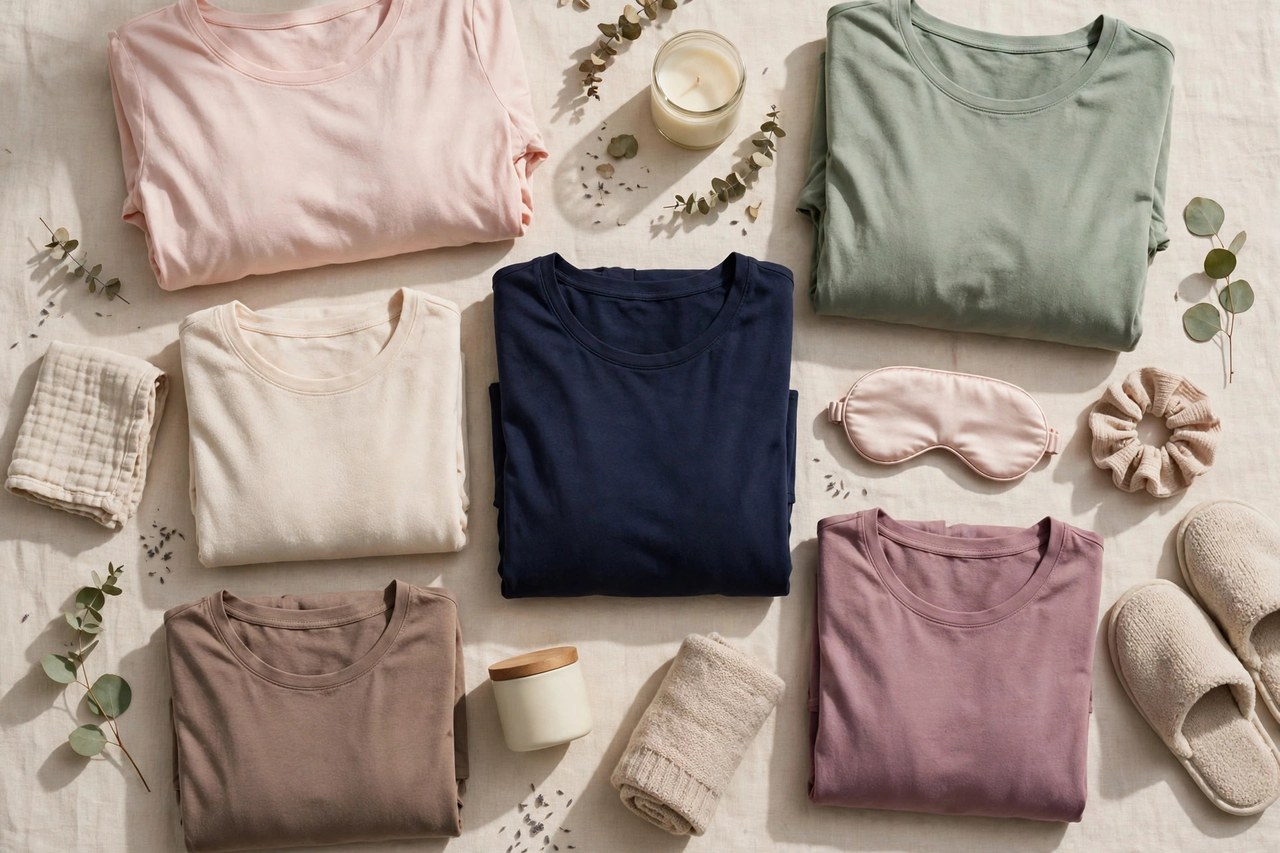
The sleep shirt is the oldest and simplest form of sleepwear: one garment, pulled on or buttoned, with nothing at the waist to bind. Its plus size version succeeds or fails on room and length. Cut generously through the bust, waist and hip in 1X and beyond, a sleep shirt drapes straight from the shoulder and stays where it belongs as you turn; cut as a merely enlarged small pattern, it rides up, twists around the torso and pulls across the bust by midnight.
This product-focused guide covers how to judge length and room, the button-front and pullover styles and their practical differences, neckline and sleeve choices across seasons, and the soft fabrics that survive the heavy washing sleepwear receives. It sits alongside the wider sleepwear guide as the single-garment option, the choice for anyone who dislikes waistbands at night, travels light, or simply prefers the uncomplicated comfort of one well-cut piece.
Length and Room: The Two Measurements That Matter
Judge a sleep shirt first by its finished length measured from the shoulder, and compare it with where you want the hem to rest: mid-thigh for warm nights and easy movement, at or below the knee for more coverage and cooler rooms. Remember that a fuller bust and seat lift the hem compared with flat measurements, so plus wearers generally need a couple more inches of listed length than the hanger suggests to achieve the same resting coverage as the product photograph implies.
Room should be visible ease rather than stretch. The garment should hang from the shoulders without the fabric pulling across the bust buttons or clinging at the hip, and you should be able to pinch a handful of fabric at the side. A curved or high-low hem keeps the back slightly longer, which helps coverage when sitting up in bed. A-line and swing cuts build this ease into the pattern itself, while straight cuts rely entirely on generous sizing, so read the garment style as carefully as the size label.
Button-Front and Pullover Styles
Button-front sleep shirts, borrowed from classic shirt styling with a collar or notch neck, open fully, which makes them practical for anyone who finds overhead dressing difficult, and they vent easily on warm nights. Check that buttons are smooth, securely sewn and spaced so the front does not gape across the bust when you sit; a placket that pulls open is as unwelcome at night as in a daytime shirt, and better plus designs add an extra button at the fullest point.
Pullover sleep shirts remove all hardware and are usually cut in knit jersey with a scoop, V or henley neckline; the henley's short button placket splits the difference between the two families. Pullovers twist slightly less in bed because there is no placket to catch, while button styles wash flatter and double more convincingly as a beach or campsite cover layer. Either way, seams should be soft, labels printed or external, and any chest pocket small and flat so it disappears when you lie on it.
Necklines, Sleeves and Seasonal Choices
Necklines trade warmth against ease. Scoop and V necklines feel cooler and pull on without disturbing hair or glasses, collared styles cover the chest on cold nights, and soft henley plackets adjust between the two. Sleeve choices run the full range: sleeveless and short sleeves for summer, three-quarter sleeves as the year-round compromise that stays clear of water and sleeves pushed up, and full long sleeves in brushed fabrics for winter, ideally with a soft cuff that keeps the sleeve from sliding over the hand.
Seasonal rotation is inexpensive in this category because one garment is the whole outfit. Many plus sleepers keep a lightweight cotton or modal shirt for summer, a midweight jersey for most nights and a flannel or brushed knit for winter, all in the same trusted size from the same brand once found. Prints and colors are pure preference, with one practical note: paler fabrics show washing wear sooner, while deeper tones and small prints disguise the gradual softening that frequent laundering brings to every sleep garment.
Fabrics, Fitting and Care
Cotton woven fabrics, lawn, voile and poplin, feel crisp and cool and wash hardily; cotton jersey and modal blends feel softer and stretch gently with movement; flannel serves winter. Whatever the fiber, the hand should be smooth, because a sleep shirt has more skin contact than almost any garment you own, and rough seams, stiff labels or scratchy lace trim announce themselves all night. Trim, where present, should be soft and flat, piping and narrow cotton lace rather than anything raised or synthetic-feeling.
Fit by trying the movements of the night: raise your arms, sit cross-legged, roll to each side. The hem should stay near its resting length, the shoulders should not drag off and nothing should wind around the waist. Wash cool or warm, dry by label and expect good cotton to soften further over the first washes. When a sleep shirt's fabric thins or its shape sags, retire it without ceremony; a fresh one in the proven size restores the easiest upgrade in the whole sleepwear drawer.
Related Women's Guides
More to Explore on Apparel Search
Looking for Women's Clothing Stores?
This guide helps you choose women's plus size sleep shirts. To browse where to buy, visit our women's clothing store directory, where you can find retailers that carry them.