Women's Plus Size Wedding Dress Guide
A plus size wedding dress in bridal sizes 18 to 34 and beyond earns its fit from silhouette, boning and quality fabrics cut for curves, not from simply ordering a larger straight size.
Shop Women's Plus Size Wedding Dress Now
Shop Women's Plus Size Wedding Dress on Amazon Shop Women's Plus Size Wedding Dress on eBayThe Amazon and eBay links on this page are affiliate links. If you make a purchase through them, Apparel Search may earn a commission.
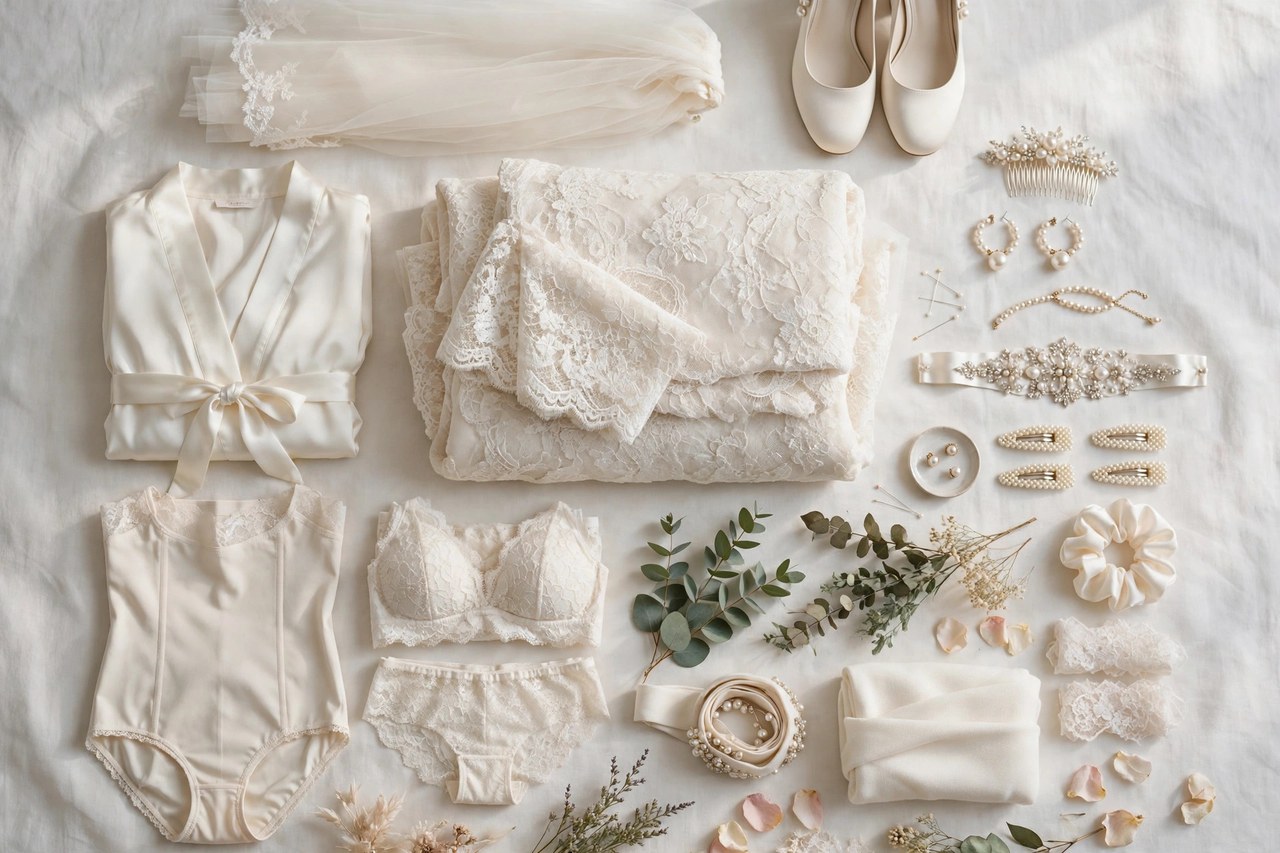
A plus size wedding dress is designed, not just enlarged. Bridal sizing runs smaller than everyday clothing, so a shopper who wears a 20W in ready-to-wear may order a bridal 24 or 26, and dedicated plus bridal collections extend to size 34 and beyond with patterns graded for a fuller bust, waist and hip. The difference shows in construction: seams placed to shape rather than strain, bodices built with real support, and skirts balanced so their weight hangs from the waist evenly instead of dragging at the front over a full afternoon and evening of wear.
This guide focuses on the dress itself: silhouettes and what each does for curve proportions, the internal support structure that lets many plus dresses be worn comfortably for hours, and the fabrics and embellishments that change both look and weight. Shopping process, budgets and timelines are covered in the companion shopping guide; here the goal is to help you recognize a well-built plus dress when you see and try one, and to choose a silhouette and fabric combination that suits your venue, season and personal style with confidence.
Silhouettes That Work With Curves
The A-line is the most widely recommended plus silhouette because it defines the waist, then falls in a clean diagonal over the hip and thigh without clinging, suiting nearly every venue and body shape within plus sizing. An empire waist places the seam just under the bust and lets fabric flow from the fullest bust point, a comfortable choice that shifts focus upward and skims the midsection entirely. A ballgown pairs a fitted, structured bodice with a full skirt whose volume balances a fuller bust and creates a defined waist by contrast; modern plus ballgowns use lighter crinoline so the drama does not come with punishing weight.
Fit-and-flare and mermaid styles follow the body to the knee before flaring, and in plus cuts they need quality stretch lining and precise hip grading to allow sitting and dancing; they reward shoppers who want a defined shape and have allowed alteration time. Sheath dresses fall close in fluid or structured fabric and work best in heavier satin or crepe that smooths rather than reveals every layer beneath. Whatever the silhouette, judge it in motion and seated, in the shoes and heel height you plan to wear, because a skirt that only works standing still will limit the entire wedding day.
Support and Internal Structure
Quality plus wedding dresses build support into the bodice. Boning channels shape the bodice and keep it from collapsing or rolling at the top edge, built-in cups and an inner elastic band anchor the dress at the waist so weight rests on the waist and hips rather than hanging from the shoulders or neckline, and a corset back with a laced modesty panel allows fine adjustment through the torso and forgives small weight changes between fittings. A zipper back with inner corsetry gives a cleaner look but less adjustability, so its ordered size must be closer from the start.
Straps and sleeves are structural as well as decorative on a plus dress. Wider straps, off-shoulder sleeves with internal elastic, and illusion necklines with mesh support all keep a fuller bodice secure during hugging, dancing and raised-arm photographs. Check construction in person: seams should be finished cleanly inside, boning should not poke at the ends, and the lining should be smooth without pulling the outer fabric. A dress that feels secure in the salon without constant adjustment is showing you good structure; a dress that needs holding up in the fitting room will need it far more on the day itself, when there is no time for repeated fixes.
Fabrics, Lace and Embellishment
Fabric sets formality, weight and how a silhouette behaves on curves. Satin and mikado hold A-line and ballgown structure with a smooth, formal finish but show creases and add weight in full skirts. Chiffon and tulle float lightly, soften a silhouette and keep empire and A-line dresses comfortable in warm weather, though tulle volume must be layered evenly to avoid bulk at the hip. Crepe drapes in a clean, modern line for sheaths and fit-and-flares. Lace adds texture that visually smooths transitions between bodice and skirt, and plus designs place lace motifs deliberately at the neckline, waist and hem rather than scattering them without regard to proportion.
Beading and sequins add sparkle and significant weight on larger dresses simply because there is more surface; check that heavily beaded bodices have the internal structure to carry it and that beading stops at friction points under the arms. Order fabric swatches when choosing between shades of white, ivory and blush, since plus sample dresses in salons often come in one shade only. Consider season honestly: a layered satin ballgown is magnificent in October and punishing at an outdoor August ceremony, while a chiffon A-line with proper support travels well, photographs softly, and lets you move, eat and dance without thinking about the dress at all, which is the real test of the right fabric choice.
Necklines, Sleeves and Finishing Details
Necklines balance the bodice. A sweetheart or V-neck creates vertical line and space for a necklace, a square neckline frames the face with structure, and an illusion neckline gives the look of a deep cut with mesh security for a fuller bust. Sleeve choices range from sleeveless with wide, supportive straps to elbow and long lace sleeves that provide arm coverage while staying light; cap sleeves are the least forgiving on fuller arms, so try them seated with arms relaxed. Back design matters for support: higher backs and wider straps anchor the bodice best, while low backs need excellent inner construction to stay secure without visible strain at the closure.
Finishing details should be scaled and placed with intent: covered buttons down a back that actually contains elastic loops sized for use, a waist sash or beaded belt wide enough to define the waist without cutting into it, and hem and train options matched to your venue. Bustles for the reception should be demonstrated in the salon so you know the skirt lifts cleanly. Judge every detail by the same standard as the silhouette itself: does it support, balance and let you move? A plus wedding dress chosen for its construction and proportions will not need to be endured; it will carry you through the day as comfortably as it photographs, from first look to last dance.
Related Women's Guides
More to Explore on Apparel Search
- Plus Size Clothing Stores
- Shop for Plus Sizes
- Women's wedding dresses
- Plus Size Wedding Gowns
- Plus Size Dresses
- plus size
- fashion
- trendy
- stylish
- plus size fashion model
- plus size fashion definition
- Clothing Stores
- Fashion Designers
- Popular Brands
- Apparel
- Women's Clothing Stores
- Women's Clothing Wholesalers
- Women's Fashion
Looking for Women's Clothing Stores?
This guide helps you choose women's plus size wedding dress. To browse where to buy, visit our women's clothing store directory, where you can find retailers that carry them.