Women's Plus Size Workwear Guide
Plus size workwear in 14W and up is built for the job: durable twills, reinforced seams and room to bend, lift and move through a full shift without fighting your clothes.
Shop Women's Plus Size Workwear Now
Shop Women's Plus Size Workwear on Amazon Shop Women's Plus Size Workwear on eBayThe Amazon and eBay links on this page are affiliate links. If you make a purchase through them, Apparel Search may earn a commission.
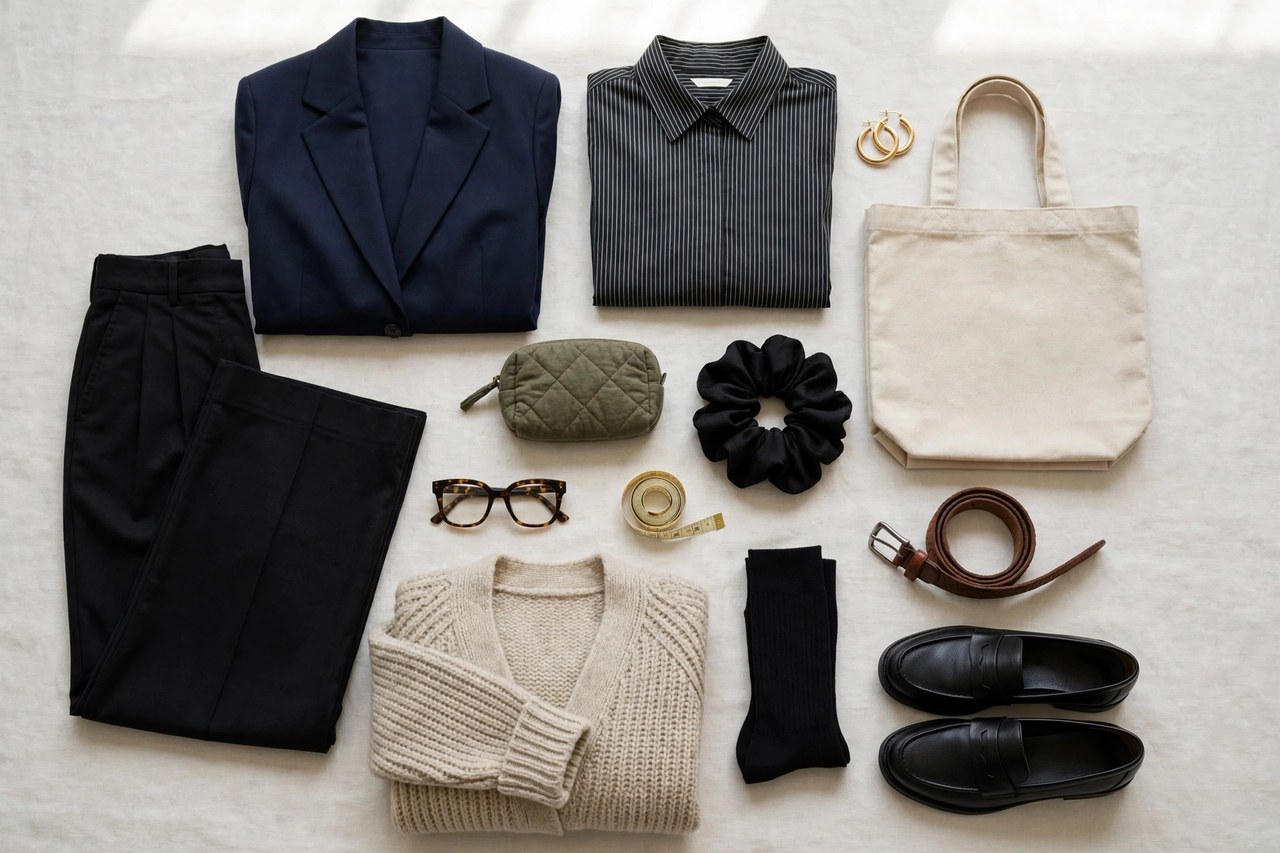
Workwear means clothing built to work in: durable pants, shirts, jackets and uniform pieces that withstand bending, lifting, kneeling, heat, frequent washing and contact with equipment, counters and stockroom shelving. In plus sizes, 14W to 32W and extended ranges, real workwear is still harder to find than fashion clothing, and the gap matters, because a plus worker needs the same reinforced construction in a pattern graded for curves, with waist, hip and thigh room, a rise that stays secure when bending, and sleeves and shoulders that allow a full reach without pulling the shirttail free halfway through a shift.
This guide covers workwear as durable job dressing across settings, from warehouses, trades support and food service to healthcare support, retail floors and field work. It explains the fabrics and reinforcements that separate workwear from ordinary casual clothes, how to fit for movement rather than for a mirror, and how uniform programs and personal purchases differ. Dressier office suiting has its own categories; the test here is simpler and stricter: can you do the physical parts of your job, wash the garment hard and often, and expect it to hold its fit and seams for months of that treatment.
Durable Fabrics and Reinforced Construction
Workwear fabrics prioritize abrasion resistance and wash life. Cotton duck and canvas are heavy, tightly woven and very durable for pants and jackets, softening with washing while keeping structure. Twill blends of polyester and cotton dominate uniforms and work pants because they resist wrinkles, fade less and dry faster than pure cotton, with a touch of spandex in modern plus work pants adding bend and squat comfort without weakening the cloth. Ripstop weaves stop small tears from spreading in light work shirts and pants. Whatever the fabric, weight in ounces tells the truth: light fashion twill cannot substitute for midweight work twill through a season of daily wear and industrial laundering.
Construction is the second durability layer. Look for double or triple stitching at inseams and pockets, bar tacks at pocket corners and belt loops, reinforced or double-layer knees on work pants, gusseted crotches that allow squatting without seam strain, and metal hardware that survives heat and pressure. In plus sizes, check that reinforcements scale with the garment: knee panels centered on your knee, pocket bags deep enough to hold tools or a phone without tearing at the opening, and waistbands with gripper or elastic sections that keep the pants at the waist under a tool belt or apron. A garment with workwear styling but single stitching and thin cloth is costume, not workwear, and will fail first at exactly those stress points.
Fitting for Movement, Shifts and Safety
Fit workwear by moving in it. In the fitting room, squat fully, kneel on one knee, bend to floor level, reach overhead and twist as if loading a shelf. Pants should allow all of it without the waistband gapping open at the back, the rise pulling, or the knee binding. Shirts should stay tucked or cover the waistband through a reach, with enough bust and shoulder room that buttons do not strain when you lift. Sleeve and pant lengths must clear safety requirements of your workplace: no dragging hems, no loose fabric near machinery, and cuffs that meet boot tops as your employer rules require, which takes priority over any style preference in this category.
Plus workwear sizing varies sharply between uniform suppliers, industrial brands and fashion brands work lines, so measure waist at the point your work pants will sit, hip and thigh, and compare in inches every time. Curved waistbands, which are higher at the back and shaped to the waist-to-hip difference, solve the common plus problem of pants that fit the hip but gap at the waist and slide during bending. If you wear layers or thermal base layers in cold workplaces, fit over them. For hot environments, prioritize breathable blends, vented backs on shirts and lighter canvas, accepting slightly shorter garment life as the trade for heat safety and comfort through long shifts outdoors or in kitchens and warehouses.
Uniforms, Dress Codes and Job-Specific Picks
Many plus workers buy through an employer uniform program, where the practical skills are knowing your measurements in that supplier system, ordering the womens plus cut rather than a larger unisex cut when both exist, and requesting exchanges early while stock is available, since extended sizes sell out first in many programs. Unisex workwear in a larger size often fits the hip but overwhelms the shoulder and length; a womens plus pattern is worth insisting on where offered. Keep one spare set beyond the issued rotation if your budget allows, because laundry timing, not garment failure, is the most common reason workers end up in ill-fitting substitutes on a busy week.
Job specifics refine the basics. Retail and service roles need wrinkle-resistant, presentable twill and shirts that survive daily washing without fading unevenly. Warehouse and delivery work needs reinforced knees, secure pockets and hi-visibility options in plus sizes where required. Food service needs fabrics that tolerate hot washing and aprons that tie securely at a plus waist without running out of string, a small detail that signals whether a supplier actually patterns for plus bodies. Healthcare support roles often bridge into scrubs sizing, which follows its own charts. In every case, photograph or save the style numbers of pieces that work, because reordering the proven item beats re-shopping the entire category when a replacement is needed quickly.
Rotation, Laundering and Cost Per Wear
Workwear economics run on rotation and laundering. A minimum working rotation of three to five sets lets each garment rest and be washed properly without emergency rewears, and it spreads abrasion so all sets age evenly. Wash work pants and shirts inside out, close zippers and buttons to protect other garments and the machine, and follow employer or supplier instructions for industrial or uniform-service laundering where it applies. Inspect stress points monthly: thinning knees, pocket corners, inner thighs and seat seams give warning before failure, and early repair of a bar tack or small tear costs far less than replacing a full plus work set on short notice at retail prices.
Judge workwear by cost per wear and by whether it lets you work without distraction. A slightly more expensive plus work pant with a curved waistband, gusset and reinforced knees that lasts a year of shifts is cheaper than three fashion pants that split, slide or fade in a month. Keep footwear, belts and base layers in the same practical review, since a work outfit fails as a system. When a piece proves itself on your actual job, buy the duplicate while it is in stock in your size. Reliable, repeatable workwear removes a daily decision and a daily discomfort at once, which is exactly what clothing for work is supposed to do for the people who wear it.
Related Women's Guides
More to Explore on Apparel Search
Looking for Women's Clothing Stores?
This guide helps you choose women's plus size workwear. To browse where to buy, visit our women's clothing store directory, where you can find retailers that carry them.