Women's Plus Size Wedding Dress Shopping Guide
Shopping for a plus size wedding dress goes smoothly with a realistic timeline, a full budget and salons that stock plus samples, so fittings and alterations finish without rush fees.
Shop Women's Plus Size Wedding Dress Now
Shop Women's Plus Size Wedding Dress on Amazon Shop Women's Plus Size Wedding Dress on eBayThe Amazon and eBay links on this page are affiliate links. If you make a purchase through them, Apparel Search may earn a commission.
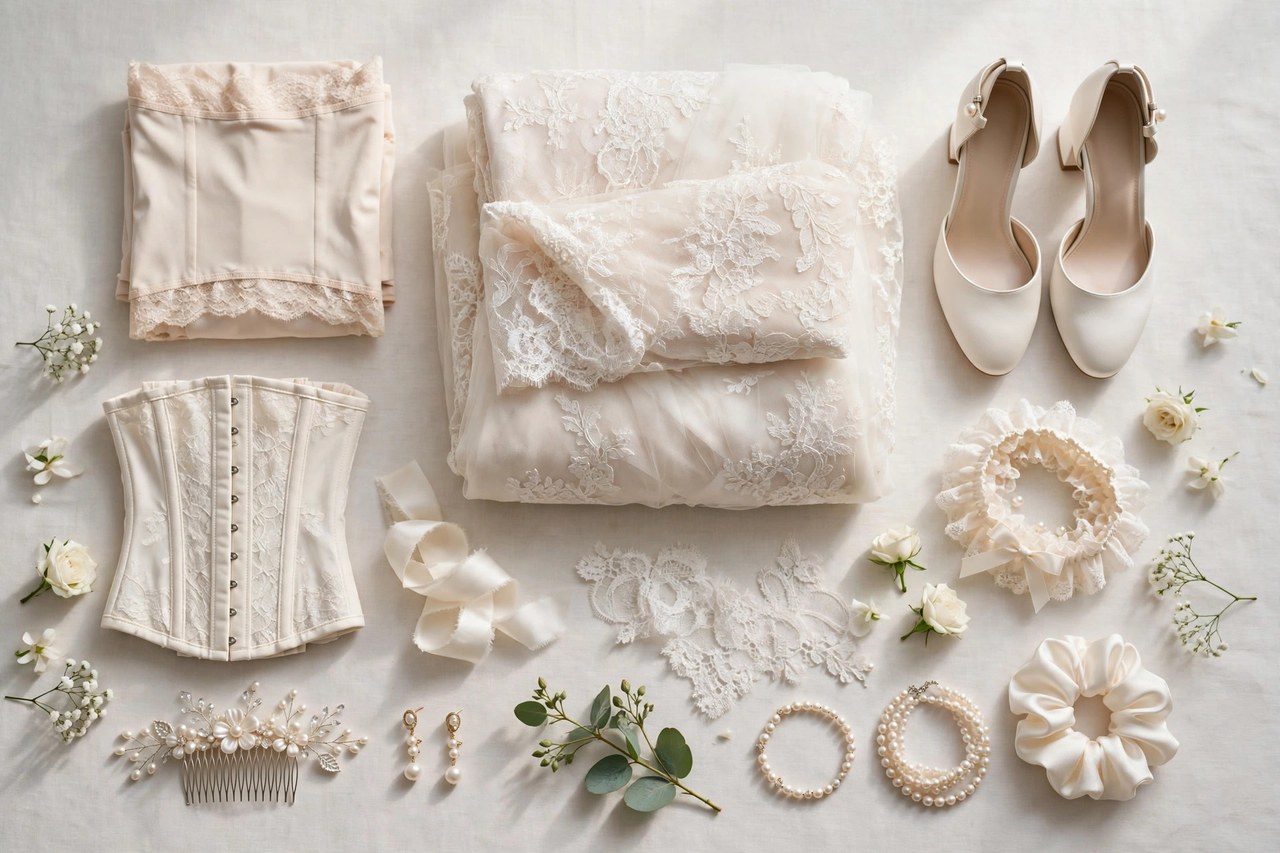
This guide is about the shopping process for a plus size wedding dress: when to start, what the dress really costs beyond the tag, how to choose salons that will serve you well, and how ordering and alterations work in bridal sizing. Silhouettes and construction are covered in the companion dress guide; here the subject is logistics. Plus shoppers face two practical realities that make planning more important, not less: fewer salons stock a deep range of plus samples to try, and special-order dresses in extended sizes can take as long to arrive as any other bridal order, with fewer off-the-rack alternatives if time runs short near the wedding date.
Handled early, none of that limits choice. Handled late, it produces rush fees and compromises. The timeline, budget and appointment advice below assumes a traditional salon order, with notes for sample sales, off-the-rack and online options. Keep notes from the first appointment onward: salon, designer, style number, bridal size tried and quoted price for every dress you seriously consider. Bridal style names and numbers are confusingly similar across seasons, and a written record is what lets you compare options calmly at home instead of relying on memory and a few phone photographs taken under flattering salon lighting.
Timeline: Starting 9 to 12 Months Out
Begin shopping nine to twelve months before the wedding. Most salon dresses are made to order after purchase and take six to nine months to arrive, and standard alterations need another six to eight weeks across two or three fittings. That arithmetic leaves little slack, and starting early preserves access to the full plus collections rather than only what can be rushed. Book appointments two to three weeks ahead for weekend slots, and tell each salon your bridal size range and budget when booking so they can confirm they stock plus samples, commonly bridal 20 to 30 in dedicated plus salons, and pull suitable styles before you arrive instead of improvising with clips on dresses many sizes too small.
A workable sequence is research and salon selection in month one, first appointments in months one and two, a decision by month three, and ordering immediately once you decide, since order clocks start at payment, not at first try-on. Accessories, shoes and underpinnings should be chosen before the first fitting, because heel height sets the hem and support garments affect the bodice fit. If your timeline is under six months, pivot at once to sample dresses, off-the-rack plus collections and reputable online bridal with clear return terms, and secure an independent seamstress early, because alteration calendars fill faster than dress inventories shrink as wedding season approaches each spring and autumn.
Budget: The Dress Is Only Part of the Cost
Set a total attire budget, then allocate it. The dress itself is typically 60 to 75 percent of that total; the remainder goes to alterations, which for plus dresses commonly run several hundred dollars and more for corset work, hem work on layered skirts and bustle construction, plus veil, shoes, jewelry, support garments and preservation after the wedding. Ask every salon for the full picture before falling for a tag price: order fees, shipping, rush charges if applicable, and whether in-house alterations are flat rate or per service. A dress at the top of budget with no room left for alterations is over budget, and discovering that at the first fitting is the most common and most avoidable wedding dress money problem.
Save without shrinking your options by shopping trunk shows and sample sales, where plus samples do appear, especially at salons specializing in plus bridal, and by considering prior-season designs that remain orderable. Be honest about budget at the start of each appointment and ask not to be shown dresses above it; reputable consultants respect the number and work harder within it. Keep a contingency of about ten percent for the surprises every bride meets: a different shoe height, added straps, a last-minute bustle change. Pay deposits by a method with a paper trail and keep every contract, receipt and promised delivery date in one folder or phone album from day one, so any dispute has documents rather than recollections behind it.
Appointments, Samples and Ordering Your Size
Choose salons deliberately. Read recent reviews from plus brides specifically, call to confirm the largest sample size in store and the designers carried in extended sizes, and favor salons whose websites show plus models in current stock. Bring no more than two or three trusted companions, wear or bring the support garments and approximate heel height you expect to use, and try at least one silhouette you did not picture yourself in; consultants earn their keep by spotting the cut that surprises you. You should be measured, never squeezed into samples without explanation, and never pressured to order a much smaller size as an incentive plan, a practice reputable salons refuse because bridal alterations can typically adjust only one to two sizes reliably.
Ordering size follows measurements, not street size. The salon measures bust, waist and hip and orders to the largest measurement on that designer chart, with the remaining areas altered down; for plus shoppers hip and bust frequently determine the size between them. Confirm in writing the designer, style, size, color name and any custom changes such as added straps, raised neckline or extra length, which plus shoppers often need and which cost less ordered from the factory than rebuilt by a seamstress. Get the estimated ship date in writing, try the dress promptly when it arrives, and report any discrepancy from the order immediately, while the salon can still involve the designer. A calm paper trail at ordering prevents nearly every problem that brides later describe as a dress disaster.
Alterations, Final Fittings and Dress Pickup
Alterations turn an ordered dress into your dress. The first fitting, about eight weeks out, pins the bodice, waist and hem strategy; the second checks those changes and the bustle; a final fitting one to two weeks out confirms everything with your actual shoes, underpinnings and veil. Bring the same companions sparingly, ideally the person who will help you dress and bustle on the day, and have them practice the bustle and photograph it at the last fitting. For plus dresses, discuss strap security, sitting comfort and arm movement explicitly with the seamstress, and sit, walk and raise your arms in every fitting rather than judging the dress only standing on the fitting platform in front of the mirror.
Arrange pickup a few days before the wedding, try the dress once more in the salon before it leaves, and transport it hung in its breathable garment bag, never compressed in a small car trunk for hours in heat. Confirm who will steam or press it at the venue and keep an emergency kit ready: safety pins, fashion tape, a small sewing kit and stain wipes approved for your fabric. After the wedding, decide promptly on cleaning and preservation, since stains set with time. Shopping this way, early, budgeted honestly, documented carefully and fitted without hurry, a plus bride gets the same unhurried experience as any other bride, ending with a dress that fits her body and her day, delivered on schedule and paid for without surprises.
Looking for Women's Clothing Stores?
This guide helps you choose women's plus size wedding dress. To browse where to buy, visit our women's clothing store directory, where you can find retailers that carry them.