Wool Prices
Wool is sold by graded lot in markets around the world, and its price is unusually well documented if you know where to look. This guide points to the main kinds of wool pricing sources and explains how to read them without being misled.
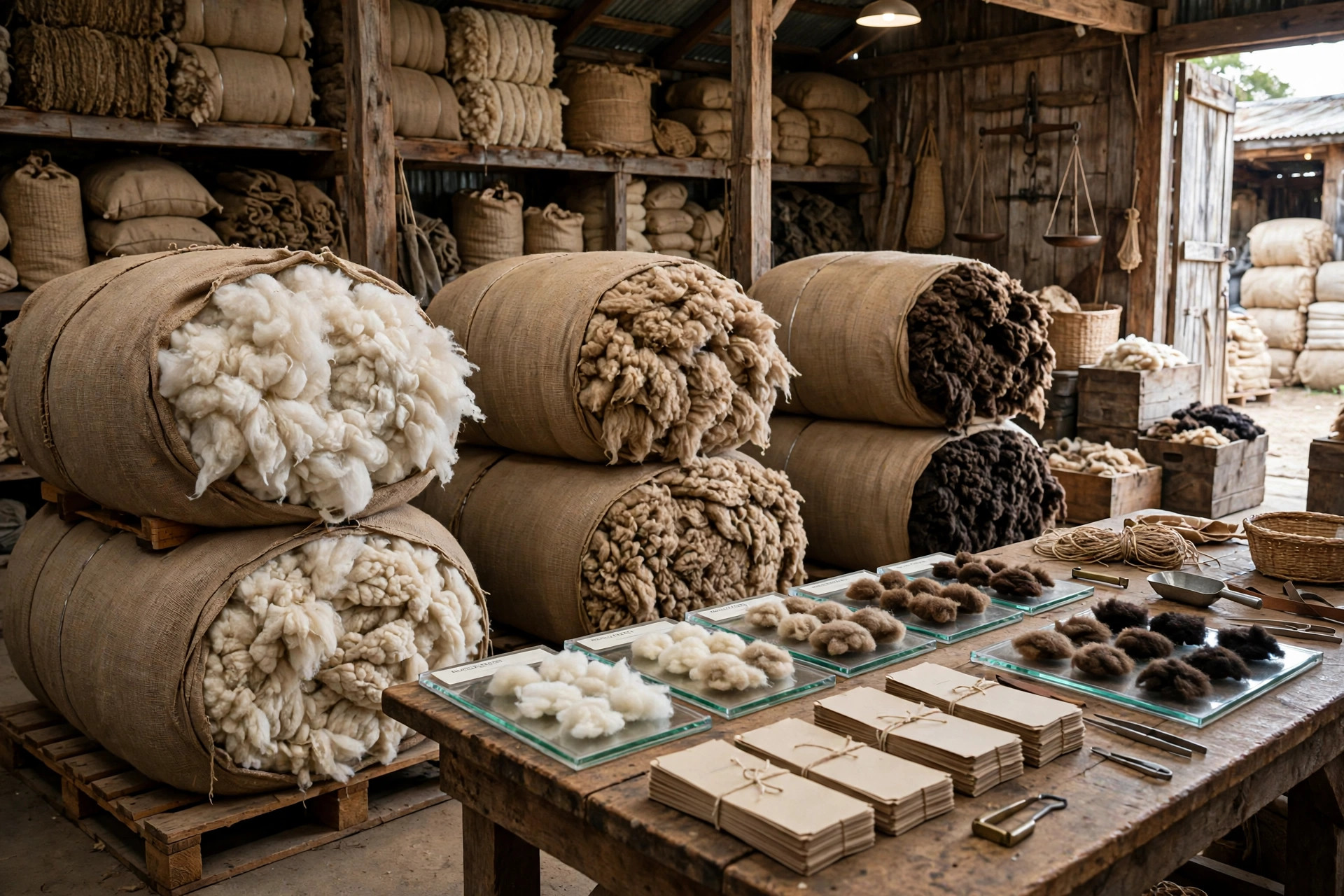
The Main Kinds of Wool Price Sources
Official market reports are the backbone of wool pricing. In the United States, Department of Agriculture reporting has covered wool and mohair prices and published wool reviews summarising market activity, giving growers, buyers and traders a shared factual record of what was traded and at what levels. Government reports are deliberately plain documents, but their consistency over time makes them the reference point against which other claims about the market can be checked.
Commodity price indexes provide the long view. Services that track fine wool as a commodity publish regular price series that can be compared month to month and year to year, which is what a manufacturer needs when setting a season's costs or reviewing whether a supplier's increase matches the market. An index smooths the noise of individual sales into a trend, at the cost of hiding the spread between the best and the ordinary lots inside that average.
Trade news and forecasting services supply the explanation layer. Wool pricing news from specialist textile market publishers reports auction results, demand from major buying countries and movements in competing fibres, while economic forecasting services place wool in the wider context of agricultural and industrial commodities. Neither replaces a price series, but both help a reader decide whether a movement is likely to continue, and that judgement is often worth more than the last data point itself.
Reading a Wool Price Correctly
A wool price is inseparable from its specification. Fibre diameter is the single most important determinant of value, so a quotation for a fine grade and a quotation for a broad grade describe different products even when both are simply labelled wool. Yield matters almost as much: prices may be quoted on a clean basis, for the fibre that remains after scouring, or on a greasy basis, for wool as it came off the sheep, and converting between the two requires the measured yield of the lot.
Market, currency and timing complete the picture. Wool is traded internationally, with Australia the leading producer, so many benchmark series are expressed in Australian or United States currency and reflect auction results in particular selling centres. A price seen on a website may be a monthly average, a spot indication or a seller's asking price on a marketplace, and those three numbers have different authority. Marketplace listings for raw wool show what individual sellers hope to receive for individual lots; they are a snapshot of offers, not a measure of the market.
The neighbouring fibre markets deserve a glance as well. Mohair is reported alongside wool in United States sources because the two share growers and merchants, and alpaca has its own smaller fibre market whose organisations publish material for their producers. Crossbred and specialty fibre prices sometimes move with the main wool market and sometimes on their own supply, so a buyer in those niches should follow their specific sources rather than assuming the headline wool index applies.
Who Uses Wool Prices, and How
Growers use market reports to decide when and how to offer their clips, and to judge whether the prices they are quoted by merchants reflect the auction record. Merchants and exporters live in these numbers daily, building the value of a parcel from micron, yield, staple length and strength measurements and the current demand for each type. For both groups, the published record is a discipline: it is hard to defend a price that the public market contradicts.
Spinners, mills and garment manufacturers use wool prices one step removed. They rarely buy greasy wool, but the auction trend flows into the yarn and top prices they are quoted, so watching the raw wool market gives them early warning of cost pressure and a factual basis for discussing increases with their own customers. A retailer or brand that understands this chain can have a much more honest conversation with a supplier than one that simply resists every increase.
Students, researchers and the simply curious also use these sources, because wool's long, well kept price record makes it a fine case study in how an agricultural commodity market works. Whatever your purpose, begin with the specification, note the date and basis of every figure, and compare at least two kinds of source before treating a number as the price of wool.
Common Questions
Why is fibre diameter so important to wool price?
Diameter, measured in microns, is the single most important characteristic determining wool quality and price. Fine wools suitable for soft apparel command far higher prices than coarse carpet wools, so a price without a micron is incomplete.
What is the difference between a clean and a greasy wool price?
A greasy price is for wool as shorn, including lanolin, dirt and vegetable matter. A clean price is for the usable fibre after scouring. The yield of a lot converts between the two, so the same wool has two different looking prices.
Do marketplace listings show the real wool price?
They show asking prices for individual lots from individual sellers. They are useful as a snapshot of offers, but official market reports and established price indexes give the more reliable picture of market levels.
More to Explore
Looking for Fabric Mills and Suppliers?
Continue into the other fibre sections from the Fabric Search hub, or look for wool suppliers in the Apparel Search fabric directory.