Wool Guide and Wool Prices
Welcome to the wool section of Fabric Search, built around one practical subject: what wool costs, and why. From here you can reach the definition and grading material that makes prices intelligible, and the price guides for wool fibre, yarn and fabric.
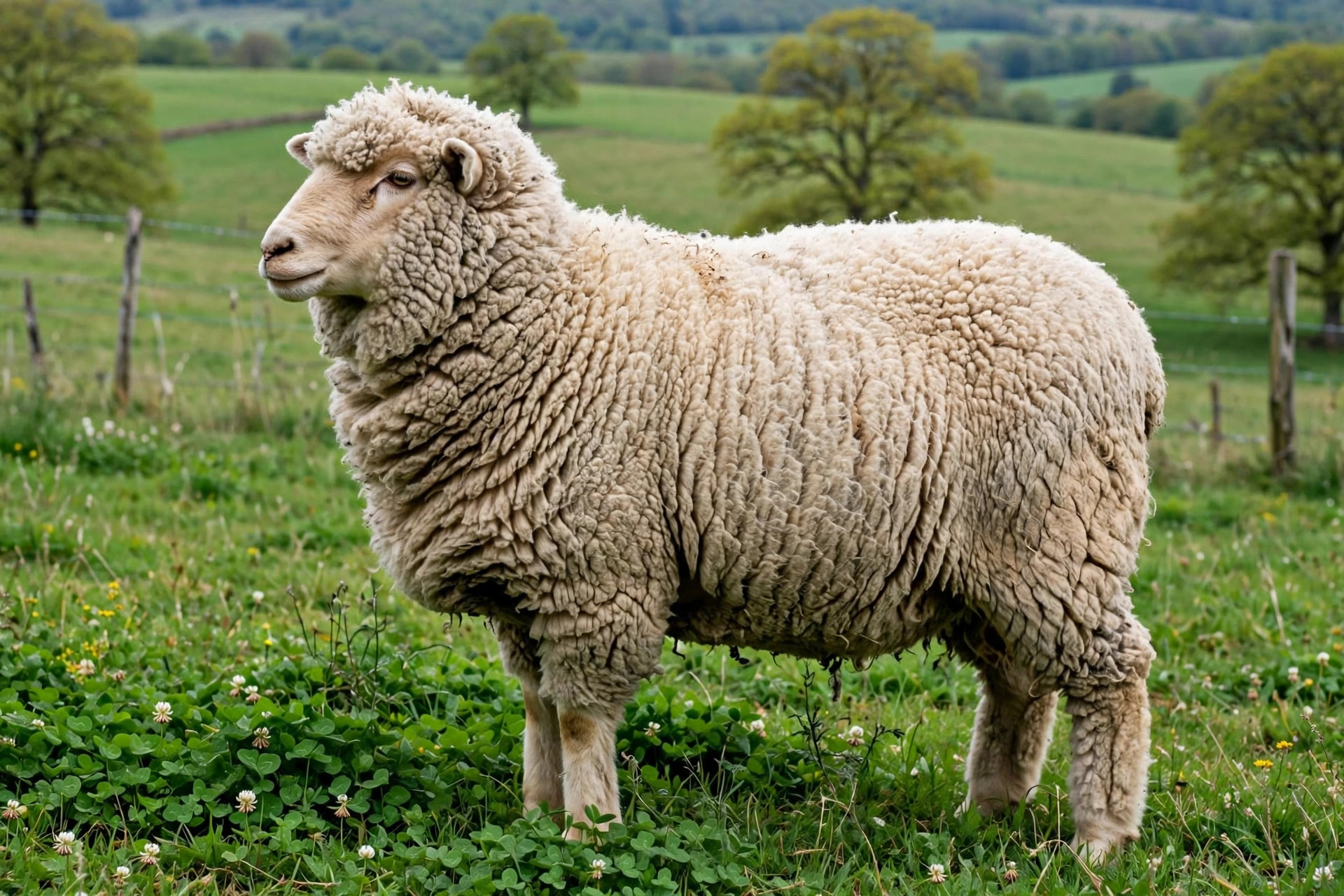
A Wool Guide Built Around Price
Most fibre guides describe a textile and stop there. This section of Fabric Search was built the other way round, around wool prices, because wool is traded more openly and graded more precisely than almost any other textile fibre, and because its price record rewards anyone who learns to read it. The purpose of the Wool Prices website, as the original hub put it, is to help you find information about wool pricing across wool fibre, wool yarn and wool fabrics.
That structure shapes everything linked from this page. The fibre price guide covers the raw material markets, where graded lots are auctioned and reported. The yarn price guide follows the same wool one step downstream, into the spun yarns that knitters and weavers actually buy. The fabric price guide deals with finished cloth, where prices are quoted by mills against a specification rather than read from a chart. Reading the three together shows how value is added, and where it can be lost, at each stage of the chain.
Price without knowledge is only a number, though, so the hub also leads to the supporting material: a full definition of wool and how it behaves, an explanation of wool grades and standards, background on the sheep breeds that produce different wool types, and wool news for the movements behind the figures. A reader who starts with the definition and grades will get far more from the price pages than one who jumps straight to a chart.
The Wool Behind the Numbers
Wool is the fibre of sheep and several other animals, valued for a combination no single synthetic fibre fully matches: natural crimp that traps air and insulates, scales that help fibres bind in spinning and felting, an ability to absorb a large amount of moisture without feeling wet, and a reluctance to burn that makes it a safety fibre in transport and protective clothing. Those properties are not marketing language; they follow directly from the fibre's physical structure, and the definition page in this section explains them in detail.
Breed is where wool character begins. Fine wool breeds such as the Merino, and the Rambouillet developed from Merino stock and long important in the United States, produce the soft, fine fleeces that apparel prices are built on. Longwool and crossbred sheep produce stronger, lustrous or broader wools for knitwear, tweeds, blankets and carpets. The sheep breeds material linked from the original hub shows how much of a wool's destiny, including its price band, is settled before the animal is ever shorn.
Grading turns that biology into commerce. Wool grades and standards describe fineness and quality in terms buyers and sellers share, and objective measurement of micron, yield, staple length and strength underpins the auction system in the major producing countries. The American wool industry, represented by its national sheep association, is one of the industry resources linked from this hub, and its material connects the United States flock to the same world market.
How to Use This Section
If you are buying or selling wool in any form, begin with the price guide that matches your product, fibre, yarn or fabric, and then read sideways into the definition and grades material for the specifications behind the numbers. If you are costing a product, follow the chain in order, because a movement in fibre prices that never reaches yarn prices will not reach your fabric quote either, and checking each stage tells you where a change really sits.
If you are learning, the natural route is the reverse: start with wool defined, continue to grades and the sheep breeds background, and finish with the pricing pages and the wider textile pricing links gathered in this section, which place wool alongside cotton, polyester, nylon and general yarn prices. Wool news, also linked from the original hub, then keeps the picture current, since markets move with seasons, exchange rates and demand from the major manufacturing countries.
However you use it, keep one habit: never quote a wool price without its specification and date. This section exists to make that easy, by keeping the definition, the grades and the prices within a few clicks of each other, and by linking onward to the broader Fabric Search guides when your question turns from wool to another fibre entirely.
Photos

More to Explore
References & Further Reading
Looking for Fabric Mills and Suppliers?
Browse all the fibre sections from the Fabric Search hub, or search the full Apparel Search fabric directory for mills, merchants and other suppliers.