Influences on Fashion
Fashion Influence — how style shapes, and is shaped by, the people who wear it
People, products and places all influence fashion. This page sorts out the main sources — designers and celebrities, the products seen on streets and screens, and the great fashion cities and shopping destinations.
Influences on Fashion
Many people, products, and places have influenced fashion. What has the biggest influence on fashion trends, the consumption of fashion and the fashion industry?
Clearly fashion designers and celebrities cast their influences on the fashion that we wear or desire to wear.
The fashion products that we see worn on the streets, in magazines, in movies, and on televisions have an influence on fashion trends and future buying decisions.
Places that we visit such as Milan, Paris, Hong Kong, Tokyo, and New York, have a certain influence on fashion. The clothing stores that we visit at the top fashion shopping destinations around the world effect our perception of style & trends.
People we know, products we see, and places that we visit clearly put an imprint in our minds. With so many influences, it is very hard to track what is in style this year.
Learn about some of the people that influence fashion simply because they are popular.
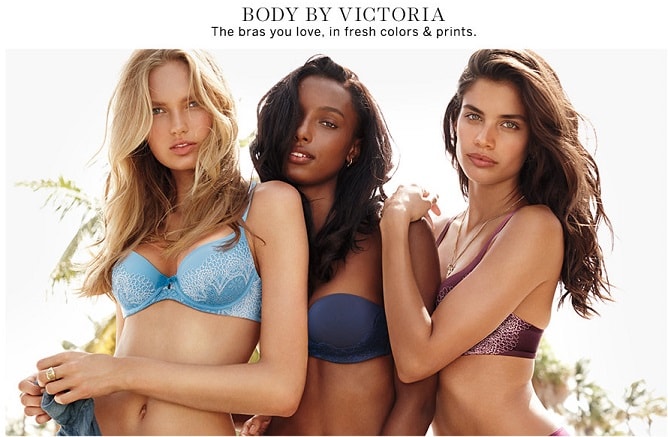
Does this fashion photograph influence you to shop at
Victoria's Secret?
Return to the influences on fashion main page.
Learn more about influential fashion concepts.
People, Products and Places — and How They Combine
The three sources named on this page rarely act alone. A designer shows a collection in Paris, a celebrity wears one piece of it in a photograph taken in New York, the photograph circulates online, a high-street retailer produces a similar product at a lower price, and shoppers in a dozen other cities buy it. By the time the style reaches an ordinary wardrobe, people, a product and several places have each contributed a step. That chain is also why it is so hard to say what is 'in style' at any moment: several chains are always running at once, at different speeds, for different audiences.
Products themselves are persuasive in a way advertising is not. Seeing a garment worn — on a colleague, on a train, in a shop window styled with the rest of an outfit — answers questions a product photo cannot: how the fabric moves, what it pairs with, who it seems to be for. Retailers have always known this, which is why window displays, mannequins and staff outfits are merchandising tools, not decoration.
Places carry influence because they concentrate all of it. Fashion capitals such as Milan, Paris, Tokyo, Hong Kong and New York combine design studios, flagship stores, fashion weeks, photographers and shoppers in a few streets, so a look can be created, seen and copied within days. Visiting those destinations — or simply following what is worn there — exposes shoppers to combinations they would not invent at home, and that exposure travels back with them.
Media ties the three together. Magazines, films, television and now social feeds multiply the reach of any person, product or place far beyond the people who were physically present. The practical lesson for shoppers is to notice which source is acting on them: admiration for a person, attraction to a product, or the atmosphere of a place. The first two fade at different rates, and the third is often selling a memory as much as a garment.
Common Questions
What are the main influences on fashion?
People (designers, celebrities, bloggers and other wearers), products (the garments seen on streets, in magazines, in films and on television) and places (fashion capitals and shopping destinations such as Milan, Paris, Hong Kong, Tokyo and New York) are the three broad sources.
Why do fashion cities influence style elsewhere?
They concentrate designers, flagship stores, fashion weeks, media and shoppers in one place, so new looks are created, photographed and copied quickly. Visitors and media carry those ideas home, where local retailers respond to the demand.
Do celebrities really influence what people buy?
Yes — a celebrity outfit is seen by millions, signals that a style is current, and is easy for retailers to copy. Their influence is strongest on visible, distinctive items and weakest on basics, where fit, price and comfort decide.