Striped Shirt
Fashion Influence — how style shapes, and is shaped by, the people who wear it
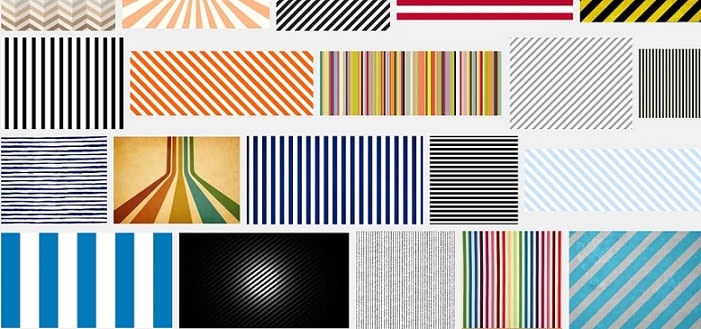
A stripe is a long, narrow band, typically of the same width throughout its length, though stripes vary in length, width, color and direction, running vertical, horizontal or at other angles. A striped shirt is simply a shirt built from striped fabric, a classic wardrobe staple for men and women and a pattern style often used on dress shirts. This guide covers the two ways striped fabric is made, yarn-dyed and printed, the costly craft of matching stripes across a garment's panels, and what stripe direction does visually.
Striped Shirts
A stripe is a long narrow band or strip, typically of the same width throughout its length. However, they can have varying lengths, widths, and colors. Stripes can be vertical, horizontal, and be designed in other angles and directions as well.
A shirt is a cloth garment for the upper body. Shirts come in many different shapes, styles, colors, and sizes.
What are striped shirts?
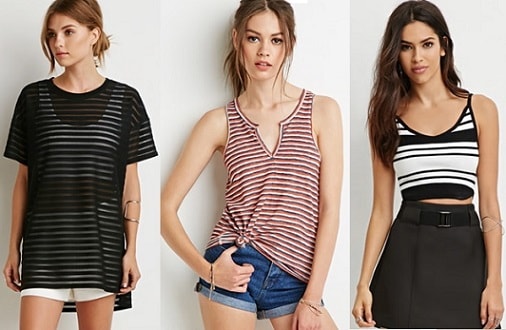
Shirts with striped patterns. The stripes can be in various colors, widths, and lengths. The length, width and direction of the stripe on the shirt can vary depending on the wishes of the fashion designer. However, the particular method of manufacturing may create limitations to the design.
Fabric can be made with stripes by using various methods. Yarn dyed stripes and printed stripes are common options. The yarn dyed version allows the fabric mill to weave the fabric with different color yarns. Yarn dyed means that the individual threads that form the weave of the fabric were dyed before weaving, as opposed to after. By doing this, the textile mill can create different effects (different appearances) such as stripes. Printing stripes onto fabric is also possible. Printed stripes can be put onto woven or knit fabrics. When printing stripes on fabric, the designer has more flexibility in regard to length & width of the stripes. An individual stripe can actually vary in width from the top portion of the stripe to the bottom if they wish.
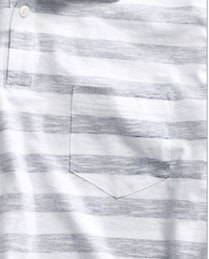
Some shirts will match stripes between different panels of the garment. For example, an expensive dress shirt may match the stripe between the chest panel, chest pocket, etc. They may also try to line up the stripe when connecting the sleeve to the body of the shirt. The process of matching the stripes perfectly is a more costly process.
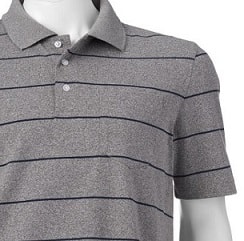
Some stripes can be wavy by accident (errors in the production process) or they can be wavy on purpose if this was the designers intention.
The stripe pattern style is often used on dress shirts for men and women.
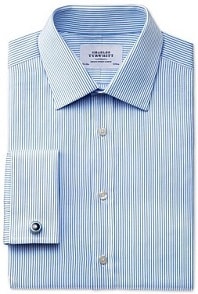
Which way should the stripe go?
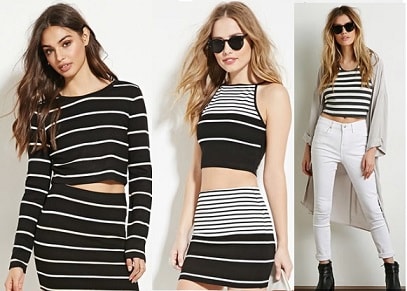
Stripes can be vertical or horizontal. It has been said that vertical stripes can make the wearer look a little thinner and horizontal stripes can possibly make the wearer look a bit larger. This is obviously just a visual effect. Sorry, wearing vertical stripes does not help you lose weight. However, pick your stripes and your food wisely.
Is it true that people that love striped shirts don’t enjoy polka dots?
Stripes are effortlessly chic and stylish. A good striped shirt is a classic wardrobe staple for every man & woman.
You may want to also learn about plaid shirts.
Fashion Products Fashion Products S-Z Fashion Products S
Return to the Influence
Fashion home page.
Choosing a Striped Shirt
Start with the stripe itself. Width and spacing set the shirt's character: narrow, closely spaced stripes read as formal dress-shirt patterning, while wider or more widely spaced stripes read as casual. Color works the same way, since a stripe in a closely related tone stays quiet, and a contrasting stripe becomes the center of the outfit. Direction is the third choice. Vertical stripes are the dress-shirt standard and carry the slimming visual effect described above; horizontal stripes are the casual staple, common on knit shirts and sweaters.
Construction quality shows at the joins. On a well-made dress shirt the stripes line up across the pocket and at the sleeve seam, the matching work that costs more to produce. Wavy stripes are a warning sign when they are accidental, a production error, though designers also use wavy stripes on purpose. Stripes are effortlessly chic precisely because the pattern does the styling work: a good striped shirt pairs with plain trousers or a plain skirt without further pattern decisions.
Common Questions
What is the difference between yarn-dyed and printed stripes?
In yarn-dyed stripes, the individual threads that form the weave were dyed before weaving, so the mill weaves different colored yarns into striped fabric. Printed stripes are printed onto woven or knit fabric after it is made, which gives the designer more flexibility in stripe length and width.
What does stripe matching mean on a dress shirt?
Better shirts match the stripes between different panels of the garment, lining the stripe up between the chest panel and the chest pocket, and where the sleeve joins the body. Matching stripes perfectly is a more costly process.
Do vertical and horizontal stripes look different on the body?
Yes, as a visual effect. Vertical stripes can make the wearer look a little thinner, while horizontal stripes can possibly make the wearer look a bit larger. It is an optical effect only, not an actual change in size.