Twill Fabric: What Twill Is and How It Is Used
Twill is one of the three fundamental weaves, recognized by its diagonal ribs. This topic page explains what twill is, and covers its types, strengths, and uses.
What Is Twill?
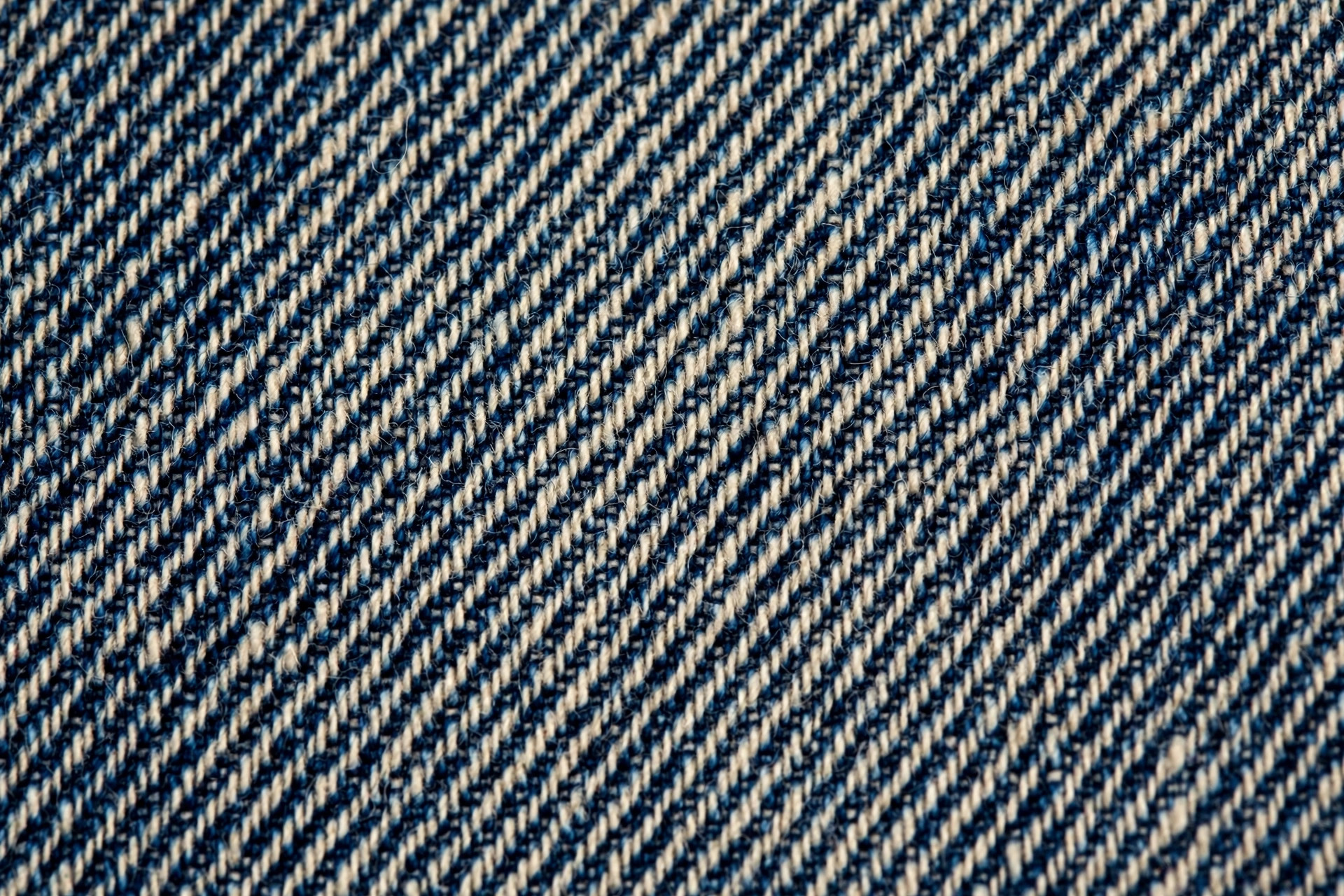
Twill is a type of textile weave with a pattern of diagonal parallel ribs, formed by passing the weft thread over one warp thread and then under two or more warp threads, with a step or offset between rows that creates the characteristic diagonal line, called a wale. Alongside plain weave and satin weave, it is one of the three basic structures from which nearly all woven fabrics are built. The definition sounds technical, but the result is instantly familiar: look closely at a pair of jeans, a chino trouser, or a trench coat and the fine diagonal lines running across the surface are the twill weave. Many everyday fabrics are twills, even when the label never uses the word.
The diagonal can run from lower left to upper right or the reverse, and weavers describe twills by simple ratios — a 2/2 twill passes over two and under two, for instance — and by direction. Changing those variables changes the fabric's character: steep, pronounced diagonals for rugged work cloth, fine faint lines for dress fabrics. Because the yarns pack more densely than in plain weave, twill fabrics tend to be strong, flexible, and forgiving in wear, which is why the weave has been used for centuries in clothing that must work hard and in upholstery that must endure daily use.
Familiar Twill Fabrics
Denim is the most famous twill in the world: a warp-faced cotton twill traditionally woven with indigo-dyed warp threads and undyed weft, which is why jeans are blue on the outside and pale inside. Gabardine, a tightly woven worsted or cotton twill with a fine, steep diagonal, became the classic fabric of trench coats and tailored trousers because it sheds light rain and holds a crease. Chino is a softer cotton twill named for the uniform cloth it once supplied, now a wardrobe staple for trousers. Drill is a stout twill for workwear, and herringbone is a twill whose diagonal reverses in stripes to form a broken zigzag, long favored for suiting and coats.
The family keeps growing from there. Tweed often uses twill structure beneath its flecked yarns. Serge, flannel in its woven wool form, cavalry twill with its bold double lines, and the twill ground of many upholstery fabrics all descend from the same interlacing principle. Recognizing the diagonal is the key skill: once you can spot a twill line, you can walk through a clothing rack or a fabric store and identify the weave family of garment after garment, and understand at a glance why each fabric drapes, wears, and resists wrinkles the way it does.
Why Choose Twill — and Its Trade-Offs
Buyers choose twill for a practical bundle of virtues. The weave's density gives it durability and good resistance to tearing and abrasion, while the diagonal structure drapes more softly than a plain weave of similar weight, so twill garments hang well and move comfortably. Twill shows stains less readily than flat, smooth fabrics because the textured surface breaks up light and disguises soil — one reason it dominates workwear and uniforms — and it resists wrinkling and recovers from creasing better than plain weave, keeping trousers and jackets presentable through a working day. It also takes dye and print well and offers a substantial, quality hand at moderate cost.
The honest trade-offs are few but real. Pronounced twills can shine at points of heavy friction over time, and the diagonal texture can make precise pattern matching at seams slightly more demanding for sewers. Very loose twills may fray more at cut edges than tighter plain weaves. None of this diminishes the weave's standing; it simply means matching construction to purpose matters. A fine gabardine for tailoring, a mid-weight chino for everyday trousers, and a heavy drill for work clothing are all twills, each tuned by yarn, ratio, and finish to its job.
Choosing and Buying Twill Fabric
When choosing twill fabric, start with fiber and weight. Cotton twills serve most apparel needs, wool twills suit tailoring and cooler weather, and polyester or blended twills add easy care and abrasion resistance for uniforms and upholstery. Check the diagonal: a fine, closely spaced wale suggests a dressier fabric, while a bold, widely spaced one signals utility cloth. Flex the fabric to judge drape, rub it to feel whether a brushed finish has been applied, and hold it to the light to gauge density. The rule for choosing is simple: buy the construction that matches the garment's working life, not merely its color.
From this topic page you can move in any sourcing direction. The companion mill listings show who weaves twill, the wholesaler page covers distributors who stock it, and the stores page points to retailers selling twill by the yard for sewing. Whether you are a designer specifying a season's trouser fabric, a uniform buyer planning for durability, or a home sewer planning a jacket, understanding the weave first makes every later decision — fiber, weight, supplier, price — considerably easier to get right.
Common Questions
What is twill in simple terms?
Twill is a basic weave in which the weft thread passes over one warp thread and under two or more, stepping sideways each row to form diagonal ribs on the fabric surface. Denim, chino, and gabardine are all twills.
Is twill a fabric or a weave?
Twill is a weave structure, not a single fabric. Many different fabrics are woven as twills — in cotton, wool, polyester, and blends — and share durability, drape, and wrinkle resistance because of that shared structure.
How can I tell if a fabric is twill?
Look for fine diagonal lines running across the surface, most obvious in good light at a slight angle. If the fabric also shows a paler reverse side, as jeans do, you are almost certainly looking at a warp-faced twill such as denim.
More to Explore
References & Further Reading
Looking for Fabric Mills and Suppliers?
Explore more fabrics through the Fabric Search hub and the full Apparel Search fabric directory.