Twill Fabric Guide
Welcome to the Twill Fabric guide. This hub is designed to help members of the textile and fashion industries learn more about twill fabric and find their way to its mills, wholesalers, stores, and background reading.
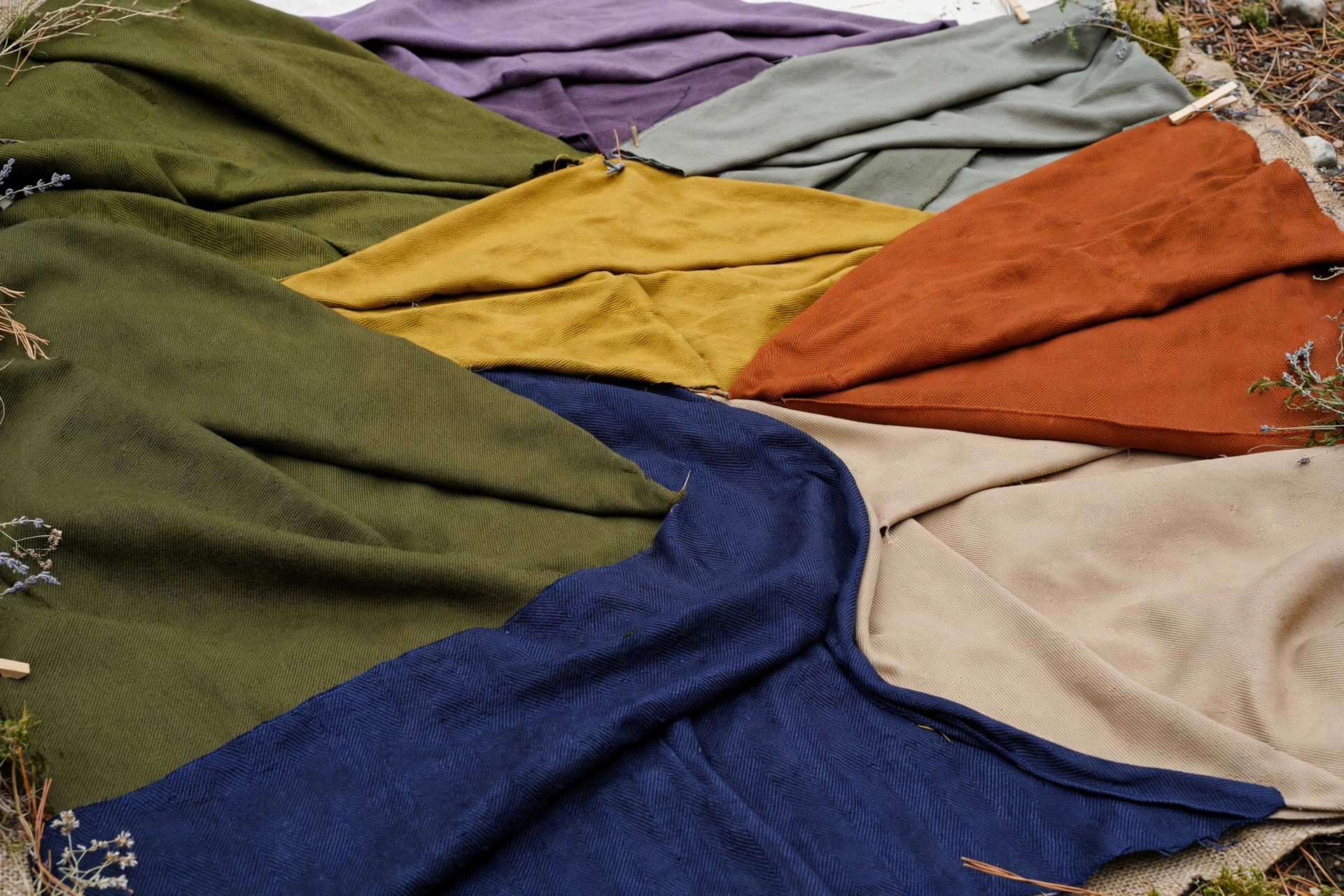
Welcome to the Twill Fabric Guide
This guide is designed to help members of the textile industry and the fashion industry learn more about twill fabric. Twill deserves a guide of its own. It is one of the three basic weave structures, it produces some of the most useful fabrics in the world, and yet it often goes unnamed on the garments people wear every day. The jeans in your closet, the chinos at work, the trench coat by the door, and the upholstery on a well-worn chair are very likely all twills. A guide that gathers the weave's explanation, its producers, and its sellers in one place saves every researcher — student, designer, buyer, or sewer — from assembling that picture alone.
From this hub you can begin your education in whichever direction your project requires. The directory below leads to the guide's main sections: the mills that weave twill, the wholesalers and distributors who stock it, the stores that sell it by the yard, and the topic page that explains what twill actually is. Each section lists its mills, wholesalers or stores with the context a buyer or student needs to use the listings well. Treat this page as the map; the sections are the territory.
Twill in Brief
Twill fabric is woven with a pattern of diagonal parallel ribs, created by passing the weft threads over one warp thread and then under two or more warp threads, with a step between rows that sets the diagonal marching across the cloth. That structure explains twill's reputation: the dense interlacing makes it durable and resistant to tearing, the diagonal surface drapes well and disguises soil, and the weave resists wrinkles better than plain weave, which is why twill dominates workwear, uniforms, and tailored clothing. The full topic page in this guide develops the definition with examples — denim, gabardine, chino, drill, and herringbone — and advice on choosing among them.
Understanding the weave first makes the commercial sections of this guide far more useful. When a mill lists a cotton twill by its construction, when a wholesaler describes a gabardine's weight, or when a store labels a fabric suitable for slacks and jackets, each is speaking the language of the diagonal. A few minutes with the explanation page turns those listings from names into specifications you can compare, and turns this hub from a directory into a working sourcing tool.
How to Use This Guide
If you are sourcing at volume — an apparel brand, a uniform program, a workwear line — start with the mills section, where weavers in India, Pakistan, and beyond present cotton, wool, and heavy industrial twills, then check the wholesalers section for distributors who can supply proven constructions in moderate quantities without a mill production run. If you are sewing, costuming, or furnishing, go straight to the stores section, where retailers sell twill by the yard in fibers from cotton and wool to easy-care blends. Students and the simply curious should begin with the topic page, which answers the question what is twill with definitions and everyday examples.
If you have suggestions for improving this guide — a mill, wholesaler, or store that belongs in the listings, or a twill topic that deserves fuller treatment — please let us know through the Contact Us link below.
Looking for Fabric Mills and Suppliers?
This hub is part of the larger Fabric Search guide and the Apparel Search fabric directory, where many other fabrics receive the same treatment.