Tanker Boots / Tanker Boot - Definition of Footwear presented by Apparel Search
Footwear Factory Fashion Directory Definition List Fashion Industry News Clothing Industry Glossary Women's Shoe Store Men's Shoe Stores
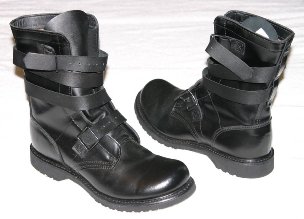
- Many boots have nylon or canvas panels in their uppers and also nylon laces which will melt if exposed to fire. Melting boots and laces will serve to further injure a crewman and make his/her evacuation of the vehicle more difficult.
- Tracked crewmen typically find themselves working in very muddy environments. Another advantage of Tanker Boots is that they are much easier to loosen than a regular laced boot when caked in mud.
- Also, today's modern tankers are exposed to many harmful chemicals - Flame-Resistant Hydraulic Fluid (FRH), Turboshaft transmission fluid, Grease, oils and various fuels. The all-leather construction of Tanker Boots prevents absorption into the boots and these chemicals from coming into close and prolonged contact with the wearer's skin.
- Tanker Boots also allow for improved circulation to crewmember's feet, as they may be sitting or immobile for long periods of time. Tank crewman during the Gulf War reported remaining seated at their gunners', drivers', and commanders' stations for periods up to the entire 100 hours of ground combat.
- An unauthorized variant of the tanker boot is the cav boot which is higher above the ankle (in imitation of riding boots worn by the old horse cavalry) and might be worn by soldiers assigned to divisional cavalry squadrons and scout units.
The above definition is for Tanker Boots.. If you are looking for another clothing term with the word tank, try Tank Tops.

| Textile & Clothing definitions and Glossaries: |
| Clothing & Fashion Industry Definitions |
| Fashion Definitions |
| Footwear & Shoe Industry Definitions |
| Miscellaneous Apparel Industry Terms |