Target Corporation
Apparel industry financial guide — Retail Company Stocks.
Target Corporation is the Minneapolis-based general-merchandise retailer whose first store opened in Roseville, Minnesota in 1962, launching 'cheap chic' — on-trend merchandise at affordable prices in clean, attractive, easy-to-shop stores — as a new era in discount retailing. Target trades on the New York Stock Exchange under the symbol TGT, operates more than 1,900 stores across the United States alongside Target.com, and is one of America's largest sellers of apparel, through owned brands such as Cat & Jack, A New Day, Goodfellow & Co. and Wild Fable and a long history of designer collaborations. Since 1946 the company has given 5 percent of its profit to communities.
Company Snapshot
Status: Operating
Type: Public — NYSE: TGT
Headquarters: Minneapolis, Minnesota, United States
Founded: 1962 (the first Target store); the parent company dates to Dayton's, founded 1902
Visit the Official Target Corporation Website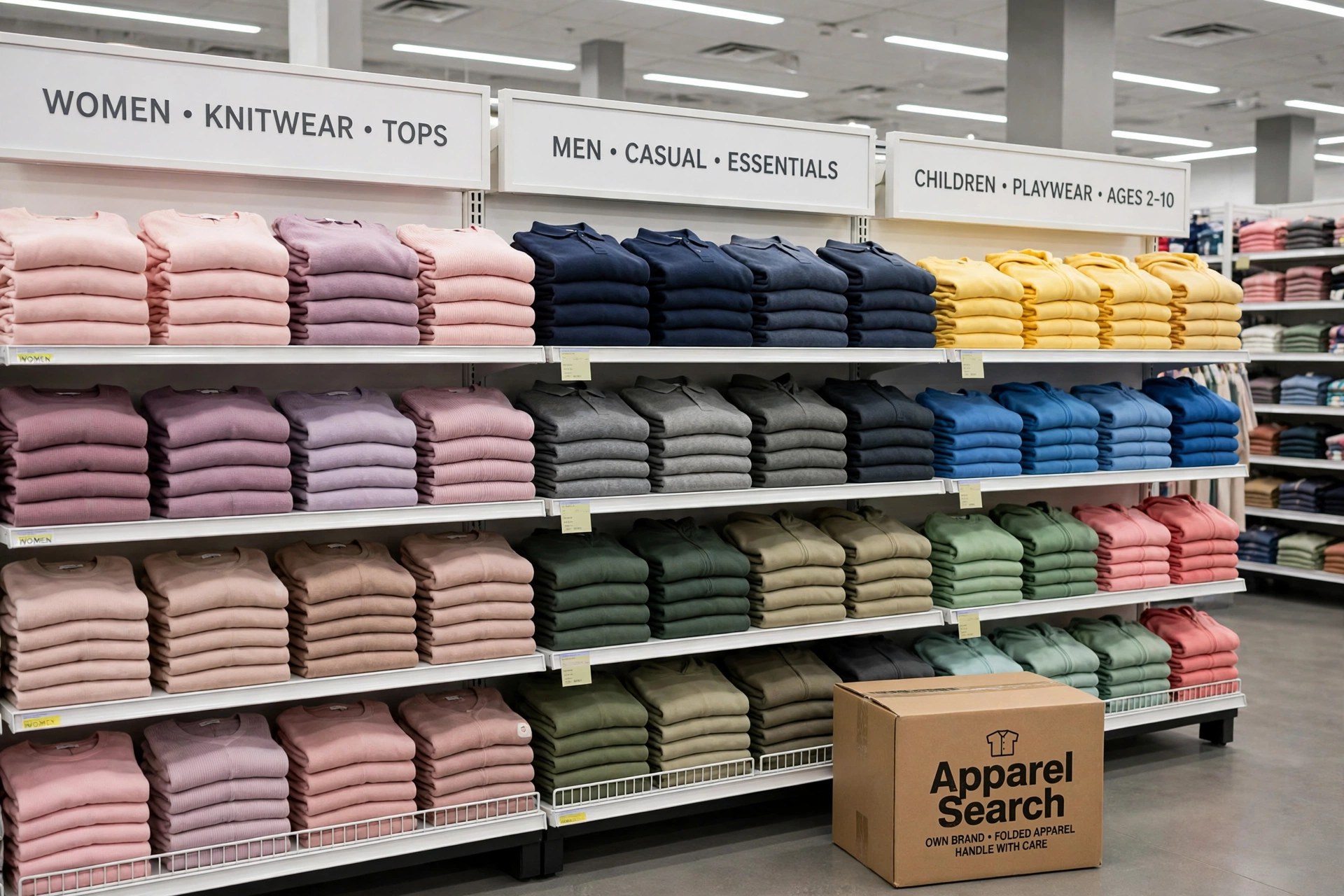
Company Profile
The February 2019 summary in the record is deliberately brief — more than 1,800 stores, Target.com, and the 5-percent-of-profit giving pledge that has run since 1946. The October 2013 summary records the three-segment structure of that era, U.S. Retail, U.S. Credit Card and the short-lived Canadian segment, whose 2013 entry and 2015 exit was the company's largest modern setback.
The April 2006 summary in the record tells the founding as the company tells it: the 1962 Roseville 'T-1' store as prototype for every Target since, changing how consumers thought about discount shopping, at more than 1,300 stores by 2006. For the apparel industry, Target's significance is its owned-brand programme: it designs and sources clothing at a scale that makes it a fashion retailer in its own right, not merely a discounter with a clothing aisle.
The range behind the name is general merchandise, groceries and own-brand and designer-collaboration apparel. Its customers are American guests across income ranges, in more than 1,900 stores and online. That combination — what is sold, and to whom — is the simplest way to place Target Corporation in the industry: it explains the company's costs, its competitors and the kind of news that moved its shares when it had them. A change in either half of the combination, a new product category or a new customer, is usually the first sign that the business described in the older summaries is turning into something different.
Scale should be read from the dated summaries with their dates attached. Store counts, sales descriptions and market positions quoted there were the company's own account of itself in that year, and they are the right basis for comparing Target Corporation with the other companies in this section — a component supplier against a retailer, or a catalogue house against a mall chain — as long as each figure is compared with figures from roughly the same period.
For current dealings, the snapshot at the top of this page is the place to start: it gives the company's present status — Operating — and links to the official website, which is where current product ranges, store information and investor or corporate contacts are maintained. Anything in the dated summaries that conflicts with the snapshot should be read as the older position: summaries describe the year they are dated, and the snapshot describes the company as it stands now.
For anyone researching the fashion industry's public-company era, Target Corporation is a useful case: the discounter that made fashion a designed, own-brand business at mass prices. The summaries in this section were compiled while the story was still unfolding, which is exactly what makes them worth keeping — they preserve what the company said about itself at the time, before the outcome was known.
Target Corporation History & Historical Profile →Financial Information
Current market and regulatory information for Target Corporation is available from these sources.
Common Questions
Is Target a public company?
Yes. Target Corporation trades on the New York Stock Exchange under the symbol TGT.
When did the first Target store open?
In 1962, in Roseville, Minnesota. The parent business, Dayton's department stores, dated to 1902.
Does Target sell its own clothing brands?
Yes — apparel is a major Target category, led by owned brands including Cat & Jack for children, A New Day for women and Goodfellow & Co. for men.
References & Further Reading
Company details such as leadership, ownership, store counts and web addresses can change. For the most current information, check the company's official website: https://www.target.com.