Mittens
Fashion Influence — how style shapes, and is shaped by, the people who wear it
A mitten is handwear built for warmth: one section for the thumb and one shared section for the remaining fingers. This guide explains why that design is warmer than a glove's, the fabrics from hand knits to high performance textiles, and what to look for when buying. It is expanded below with construction and sizing notes.
Mittens
The simple definition is that a mitten is a glove without individual finger openings. The mitten is a type of glove with two sections. One section for the thumb and the second section for the remaining four fingers (or few fingers for some carpenters).
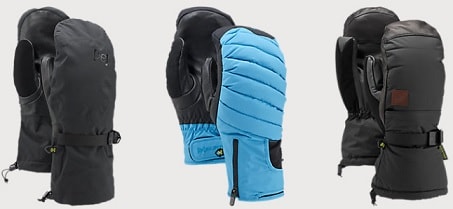
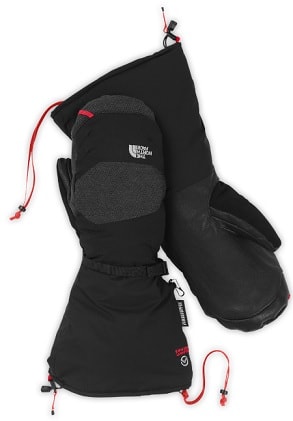
Mittens are sometimes referenced simply as mitts. This type of glove comes in a wide variety of fabric choices. They can be knit by your grandmother or come in special high performance fabrics that take advantage of technological advancements in textiles. Either way, the primary goal of our mittens is to keep our fingers warm and dry in cold weather conditions.
Are mittens warmer than gloves?
If we are comparing apples to apples to make sure that all things are equal such as fabric quality, thickness, insulation properties, etc. wearing mittens are warmer than gloves. The reason is that mitts trap body heat by keeping your fingers together and reducing evaporative heat loss. If the wearer is stuck in an extremely cold environment and does not need full dexterity at the moment, it is sometimes a good idea to pull the thumb into the main section of the glove to join in the warm fun with the other fingers. In frigid temperatures, a layered mitt system is the best choice for warmth.
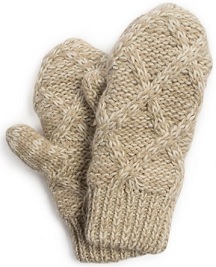
A mitten is much more than simply a garment to keep our hands warm. Many people are blessed with memories of their caring parents giving them mittens to wear for sled riding adventures and building a snowman after those big snowstorms. We also may have pleasant memories of wearing mittens during our snow ball fights with friends & family. Mittens provide many good memories for many people around the world (those of us that live in cold climates).
When looking to purchase mittens, we suggest you investigate waterproof fabrics.
We love mittens. Do you?
Learn about snow pants and winter boots as well.
Learn about winter fashion accessories.
By the way, we understand that cooks also have mitts.
Now that you fully understand mittens that keep your hands warm, you may want to also learn about knit hats to keep your head from freezing.
If you are buying mittens, you may want to also learn about fashion earmuffs.
Fashion Products Fashion Products M-R Fashion Products M
Return to the Influence
Fashion home page.
Shells, Insulation and Liners
A serious winter mitten is usually three garments in one. The outer shell resists wind, snow and abrasion and is the layer likely to carry a waterproof or water-resistant finish. The insulation layer does the warming, trapping still air in lofted synthetic fill, wool or fleece. The inner liner manages the skin side, adding softness and wicking, and in a layered system the liner mitten can be removed to dry, worn alone in mild cold, or swapped when it gets wet — a practical advantage no single glove construction matches.
Cuffs decide how the mitten meets the coat. Short cuffs tuck under a jacket sleeve for a tidy line in town; long gauntlet cuffs pull over the sleeve and close the gap that lets snow in during sledding, skiing and snow shoveling, often with a drawcord to cinch them shut. Many winter mittens add a wrist leash so a removed mitten dangles instead of dropping in the snow, and textured palm panels restore some of the grip that the shared-finger design gives up.
The Warmth and Dexterity Trade
The same design that makes mittens warm limits fine work: zippers, keys and phone screens are all harder with fingers grouped. The market's answers are convertible mittens with a fold-back finger cap over fingerless gloves, liner gloves thin enough for small tasks worn under a shell mitt, and conductive fingertips on some liners for touchscreens. Choosing among them is a matter of how the mitten will actually be used — steady cold and low dexterity needs favor the plain, warmest mitten, while stop-and-start outdoor work favors a system.
Sizing is by hand circumference rather than clothing size, and a mitten should allow a slight curl of the fingers without the insulation being compressed flat, since compressed insulation loses the trapped air that provides the warmth.
Common Questions
Why are mittens warmer than gloves?
With fabric quality, thickness and insulation equal, mittens trap body heat by keeping the fingers together and reducing evaporative heat loss. In extreme cold the thumb can even be pulled into the main section to join the other fingers.
What is the best choice for frigid temperatures?
A layered mitt system: mittens are layered so insulation and weather protection can be combined. When buying, waterproof fabrics are worth investigating for wet snow conditions.
How is a mitten constructed?
A mitten is a type of glove with two sections, one for the thumb and the second for the remaining four fingers. Mittens, sometimes called mitts, come in a wide variety of fabrics, from grandmother-knit versions to special high performance textiles.