Lidem S.L.
Textile machinery from Valencia, Spain — spreading, cutting and slitting machines, finishing equipment and complete textile recycling lines.
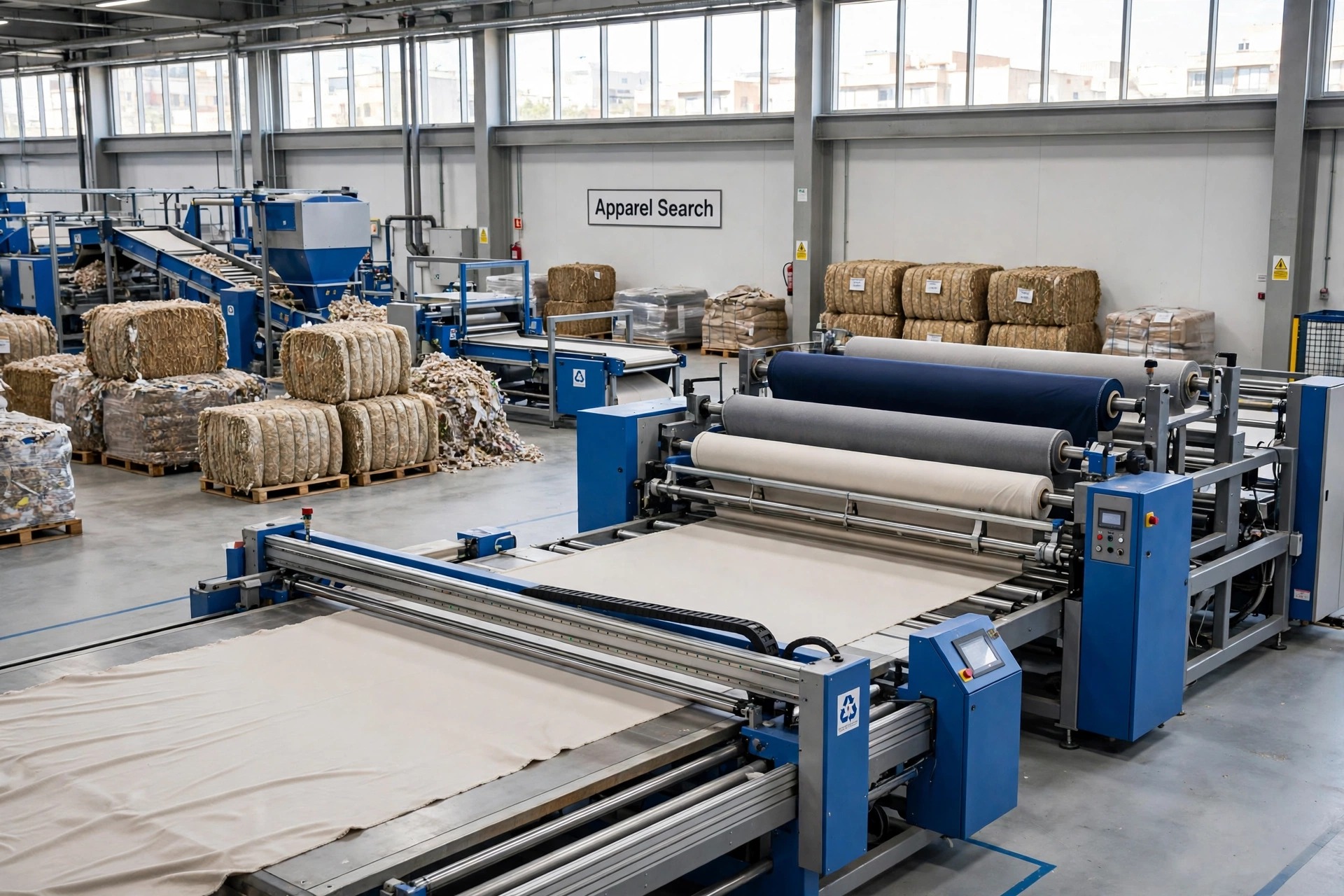
Lidem S.L. — Lidem Construcciones Mecánicas S.L. — is a Spanish textile machinery manufacturer based in Ontinyent, in the province of Valencia. Established in 1994 and building on more than thirty years of accumulated experience, the company designs and manufactures its machines in Valencia for textile mills and garment factories: fabric spreading, cutting and slitting equipment, fabric finishing machinery, and complete lines that recycle textile, fiber and paper waste back into usable fiber. In North America, Fahmar Inc. presented the Lidem range of machinery for the spinning process, the cutting and confection of textiles, and the recycling of textile, fiber and paper to the NAFTA market.
Company Snapshot
- Status
- Operating
- Listing
- Private company (S.L.)
- Headquarters
- Ontinyent, Valencia, Spain
- Founded
- 1994
Textile Machinery Directory
Company Profile
Lidem builds its range around the work of the mill floor: preparing fiber, spreading and cutting fabric, finishing it, and recovering the waste stream as new raw material. The machines are sold as complete lines or as individual units, and the range below is the line Fahmar Inc. presented to mills across the NAFTA market.
Textile and Fiber Recycling Equipment
Lidem offers a full recycling process divided into four stages: preparation and feeding, storage and blending, fiber opening, and pressing. The first stage (the feeding system) includes a feed belt, two rotating cutters, one ventilator and a Z-shape permanent magnet, all brand new. The second stage (storing and blending) offers two options: a new machine that stores the cut material in a container and then mixes it automatically, or a storage room the mill builds itself, where an employee removes the material manually. The third stage carries the material from storage to the loader and onto the tearing machine, with a second-hand vacuum machine, a new Z-shape permanent magnet and a second-hand tearing machine. The fourth stage (press, accumulator and feed transport belt) adds a transport belt for fibers with an inclinable material holder, an accumulator that introduces the fiber into the press, and a double pressing-box press in which one box slides along the outside of the other to retrieve the packing.
Machines for the Spinning Process
The Rotator and Rotator I are rotating cutting machines with maximum output, built for cutting tow, wire and ropes. Their applications cover fabrics, recyclable materials and plastics: preparation for wadding processes, fabric recycling, paper and cardboard recycling, and the crushing of foam rubber, latex, cotton, jute, nylon, wool, polyester, acrylic, linen, esparto, sisal, plastics, fiberglass, Kevlar and similar natural and synthetic fibers. Around them sit the fiber-handling machines: the Nodrix, a system designed for the storage and blending of all kinds of materials; the Autocarger, designed for the loading and weighing of fibers and for the continuous, regular feeding of non-woven and carding lines; the Compactor, a system for automatically feeding the tearing machine; and the Aperball, a machine that opens bales of natural and synthetic fiber and parts them.
Cutting and Confection of Home Textiles
The Extendor performs automatic spreading, cutting and stacking of fabric, with high efficiency and profitability, aimed at bed linen, bedspreads, wadded quilts, eiderdowns, bed sheets, pillows and pillow covers, mattress protectors and mattress covers, table linen, bathroom linen and rugs, and shower curtains. The Roller Cut line provides advanced cutting machines for coils, cutting rolls into belts and bungs for ribbons and bias, upholstery and decoration, sofa covers, awnings, braids, curtains, bed and table linen, pillow covers, bathroom rugs, shower curtains, aprons, bread bags, plastics and papers.
Finishing Machinery
The Tiger is a system designed for brushing fabrics, and the Tunder Pull combines polishing and shearing in one integrated process; both are designed especially for knitwear, raschel and jacquard blankets, velvets, shag, carpets and upholstery. The Quality is an inspection machine that checks densities, marks and wrinkles and corrects defects in fabrics, non-wovens, elastic fabrics such as knitwear, synthetic leather, fiberglass and paper. The Blanket Cut adds a longitudinal and transversal cutting system with a blanket folder for the same blanket and furnishing fabrics.
Output, Economy and Durability
Lidem builds its case on production economics: higher output at lower consumption of electric power, systems controlled by modern, high-precision electronic devices from leading makers, high output at really low maintenance cost, and excellent value for money. Sturdiness across the systems feeds directly into the durability of the machines.
Lidem in North America
Fahmar Inc., the company's USA distributor, presented this machinery range to the NAFTA market, supplying machines, components and spare parts for the textile and recycling industries. Fahmar's website, fahmar.com, and its sales address, sales@fahmar.com, no longer resolve, so North American mills should go through Lidem's official website for the current distributor arrangements.
Common Questions
What kinds of textile machinery does Lidem manufacture?
Lidem designs and manufactures fabric spreading, cutting and slitting machines (including the Extendor spreader-cutter and Roller Cut roll cutters), fabric finishing machinery such as brushing, polishing and shearing systems and inspection machines, fiber-preparation machines for the spinning process, and complete four-stage lines that recycle textile, fiber and paper waste back into usable fiber.
Where is Lidem based, and when was the company established?
Lidem S.L. is based in Ontinyent, in the province of Valencia, Spain, where its machines are designed and manufactured. The company was established in 1994, building on more than thirty years of accumulated experience in textile machinery.
How can a North American mill buy Lidem equipment?
Fahmar Inc. presented the Lidem range to the NAFTA market as the company's USA distributor. Fahmar's website no longer resolves, so mills in North America should contact Lidem through its official website for the current distributor arrangements in their market.
References & Further Reading
- Fahmar Inc., USA distributor for Lidem S.L. — fahmar.com (the distributor address carried in this directory's listing; the domain no longer resolves, checked November 2026)