Cleats
Fashion Terms — the Apparel Search fashion terminology directory
What are cleats? Cleats are sports shoes that generally consist of a standard designed shoe on all sides, made in high-top and low-top heights, while the bottom of the shoe varies in stiffness depending on the brand, style and manufacturer — and is typically covered with eight to 15 studs. The studs are the whole point: they dig into grass, dirt or track surfaces to give the athlete grip for running, cutting and stopping. This page defines cleats and shows track and soccer examples, with photographs of each.
What are cleats?
Cleats are sports shoes that generally consist of a
standard designed shoe on all sides and come in high top and low-top
heights. The bottom of the shoe varies in stiffness depending on the
brand, style, and manufacturer. The shoe is typically covered with
eight to 15 studs. Cleat studs can be made of metal or rubber,
depending on the sport. Many sports do not allow metal studs to
help prevent possible injury to other players of the sport. Many
leagues have rules regarding the size of the studs. Often they
are limited to the length of a half inch (this may vary).
Turf shoes can be
considered cleats and are designed with maximum mobility in mind.
The turf shoes offer very little stiffness on the sole of the shoe.
The height of turf shoes is mostly low-top, and the underside of the
shoe features dozens of small rubber studs with very little spacing
between each stud. Turf shoes are designed specifically for
artificial turf surfaces. The small rubber studs grip the turf
surface and assist in pushing off on a foot with minimal slippage.
The fairly obvious purpose of a cleat is to provide the wearer with maximum traction in soft grass, wet grass, or mud laden athletic fields. The cleat studs are meant to dig into ground upon impact to help avoid slippage. The height of the shoe varies depending on the amount of ankle support added. Low tops provide minimal ankle support but allow a higher level of mobility. High tops provide strong ankle support but most likely will limit the athletes mobility.
Cleats are used for various sports including golf and track & field.
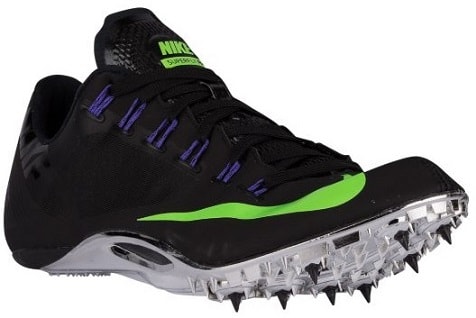
The Nike Zoom Superfly R4 is ideal for the power sprinter (60-200m) looking for a technical track spike that provides a dynamic lock down on top with a lightweight, yet aggressive plate.
A cleat as pictured above is fine for track, but you would not want spikes such as these in multiplayer sports such as soccer because of the potential for injury to other players on the field.
Here is an example of a soccer cleat.
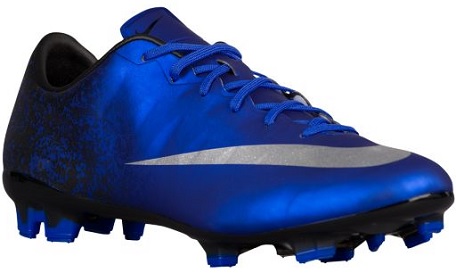
Nike Mercurial Veloce II CR7 FG Men's:
-
Lightweight teijin avail upper, micro texture, and an internal cage create a sock-like feel with unrivaled lockdown and touch.
-
Perforated sockliner with synthetic top cloth mirrors the natural foot shape and creates low-profile cushioning.
-
Full-length compressed nylon chassis tuned to work naturally with the foot.
-
Direct inject TPU studs provide traction in all directions.
You may also want to learn about indoor soccer shoes.
What is the difference between cleats and turf shoes?
Read blog posts about cleats on the Apparel Search fashion blog.
Thank you for using the Apparel Search website.
Choosing Cleats by Surface
The practical starting point with cleats is never the brand or the color; it is the surface underfoot. Firm-ground cleats carry molded studs of moderate length for natural grass that is dry or only slightly damp. Soft-ground versions use fewer, longer, often metal-tipped and replaceable studs that can bite into mud. Artificial turf shortens and multiplies the studs into many small nubs that spread pressure, and a track spike abandons the general-purpose idea entirely for a stiff plate and slim pins tuned to one event's demands. A player who buys the wrong sole for the surface gets the worst of both worlds: slipping on soft ground, or aching feet and blunted studs on hard ground.
Fit matters in a particular way for cleats, because the shoe is a tool for force. Soccer cleats are traditionally cut close, almost like a second skin, so the foot does not slide inside the shoe when striking a ball; American football and baseball cleats add ankle-height choices — the high-top and low-top heights this page describes — trading support against freedom of movement by position. However they are styled on top, the eight to 15 studs underneath are doing the real work, and checking that they are intact, tight (where replaceable) and matched to the field is the maintenance habit that keeps a pair performing.
Common Questions
What are cleats?
Sports shoes whose soles carry studs — typically eight to 15 of them — that grip natural playing surfaces. The uppers are built like ordinary athletic shoes, in high-top and low-top heights; the studded sole is what makes them cleats.
How do cleats differ by sport?
By the stud pattern and sole stiffness. Soccer cleats use shorter studs arranged for running and turning on grass, track spikes use slim pins for a prepared track surface, and other field sports arrange longer or replaceable studs for softer ground — this page photographs track and soccer examples.
Can cleats be worn on hard surfaces?
They are not made for it. Studs grip soil and track surfaces; on pavement or concrete they are uncomfortable, wear down quickly, and can damage indoor floors, which is why turf shoes and indoor soccer shoes exist as separate terms in this directory.