U-Neck Shirts
Fashion Terms — the Apparel Search fashion terminology directory
A U-neck opening on a shirt is formed in the shape of the letter “U”: similar to a V-neck shirt, but the bottom portion is rounded rather than forming a point. The neckline is the top edge of a garment that surrounds the neck, especially from the front view, and the scoop neck — curved, concave up, with the arms of the U resting on the shoulders — is the U-neck's closest relative, its depth varying from demure to plunging.
There are many different types of shirt neckline. The neckline is the top edge of a garment that surrounds the neck, especially from the front view.
A U-neck opening on a shirt is basically what you would expect from the name. The neck opening of the shirt is formed in the shape of the letter “U”. Similar to a v-neck shirt, but the bottom portion is rounded rather than forming a point like the letter V.
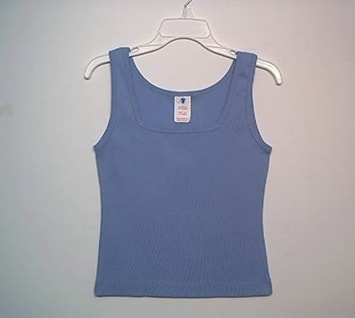
Necklines also refers to the overall line between all the layers of clothing and the neck and shoulders of a person.
Scoop Neck (curved, concave up) these have a curved U-shape, with the arms of the U hanging on the shoulders. The depth of the U can vary, ranging from demure styles to plunging.
Learn more about shirt necklines in our apparel definitions section.
We love "U".
U-Neck, V-Neck and Scoop Neck Compared
The three openings are variations on how far a neckline drops and how it turns at the bottom. A V-neck falls in two straight lines to a point, which lengthens the look of the neck and suits layering over collared shirts. A U-neck follows the same downward path but rounds the turn, softening the geometry: the eye reads a curve instead of an angle, so the style feels more relaxed and less sharp than a V of the same depth. A scoop neck widens the curve, opening across the collarbones with the arms of the U resting on the shoulders. Shoppers will find the same shirt sold under more than one of these names, because pattern drafting works from measurements — width, depth and curve — rather than from the marketing label.
Choosing a U-Neck Depth
Depth is the decision that changes the garment. A shallow U sits close to the base of the neck and behaves like a crew neck with a softer edge, appropriate anywhere a t-shirt is. A mid-depth U opens the neckline enough to show a necklace or the top of a layered camisole. A deep, plunging U is a deliberate statement style, usually cut in soft jersey or ribbed knit so the edge lies flat instead of gaping. Knit fabrics matter here: a U-neck is almost always finished with a ribbed band, binding or facing that holds the curve's shape, and a band that is cut too loose will ripple, while one cut too tight will pull the shoulders forward. Checking that the band lies smooth and recovers after stretching is the quickest quality test on the rack.
Styling a U-Neck Shirt
The rounded opening frames jewelry well — a short pendant falls naturally into the curve — and it layers cleanly under cardigans, blazers and open overshirts, where the U shows as a soft arc rather than a hard angle. Because the shape is informal, U-necks live mostly in tees, tanks, casual tops and loungewear rather than tailored clothing. They suit casual wardrobes that want the openness of a V-neck without its sharper, more formal geometry.
Common Questions
What is a U-neck shirt?
A shirt whose neck opening is shaped like the letter U. It resembles a V-neck, except the bottom of the opening is rounded rather than coming to a point.
What is the difference between a U-neck and a scoop neck?
They are near relatives: a scoop neck has a curved U-shape, concave up, with the arms of the U hanging on the shoulders. In practice the names overlap, and the depth of the curve — from demure to plunging — matters more than which label a retailer chooses.
What does neckline mean in clothing?
The neckline is the top edge of a garment that surrounds the neck, especially from the front view; the word also describes the overall line between all the layers of clothing and the neck and shoulders of the person wearing them.