Hair Color Tips & Resources
Research hair color tips, color trends & resources for consumers and professional stylists — and learn how to select a fabulous hair color that achieves the look you desire.
Looking to learn more about hair color? This page collects hair color tips, color trends and resources for consumers and professional stylists alike — how natural color works, how to choose a shade that suits you, the questions worth researching before you dye, and a way to preview a new color on your own photo before you commit to it.
Hair & Beauty Guides
What Is Hair Color?
Hair color is the pigmentation of hair follicles due to two types of melanin: eumelanin and pheomelanin. Generally, if more melanin is present, the color of the hair is darker; if less melanin is present, the hair is lighter. The tone of the hair is dependent on the ratio of black or brown eumelanin to yellow or red pheomelanin.
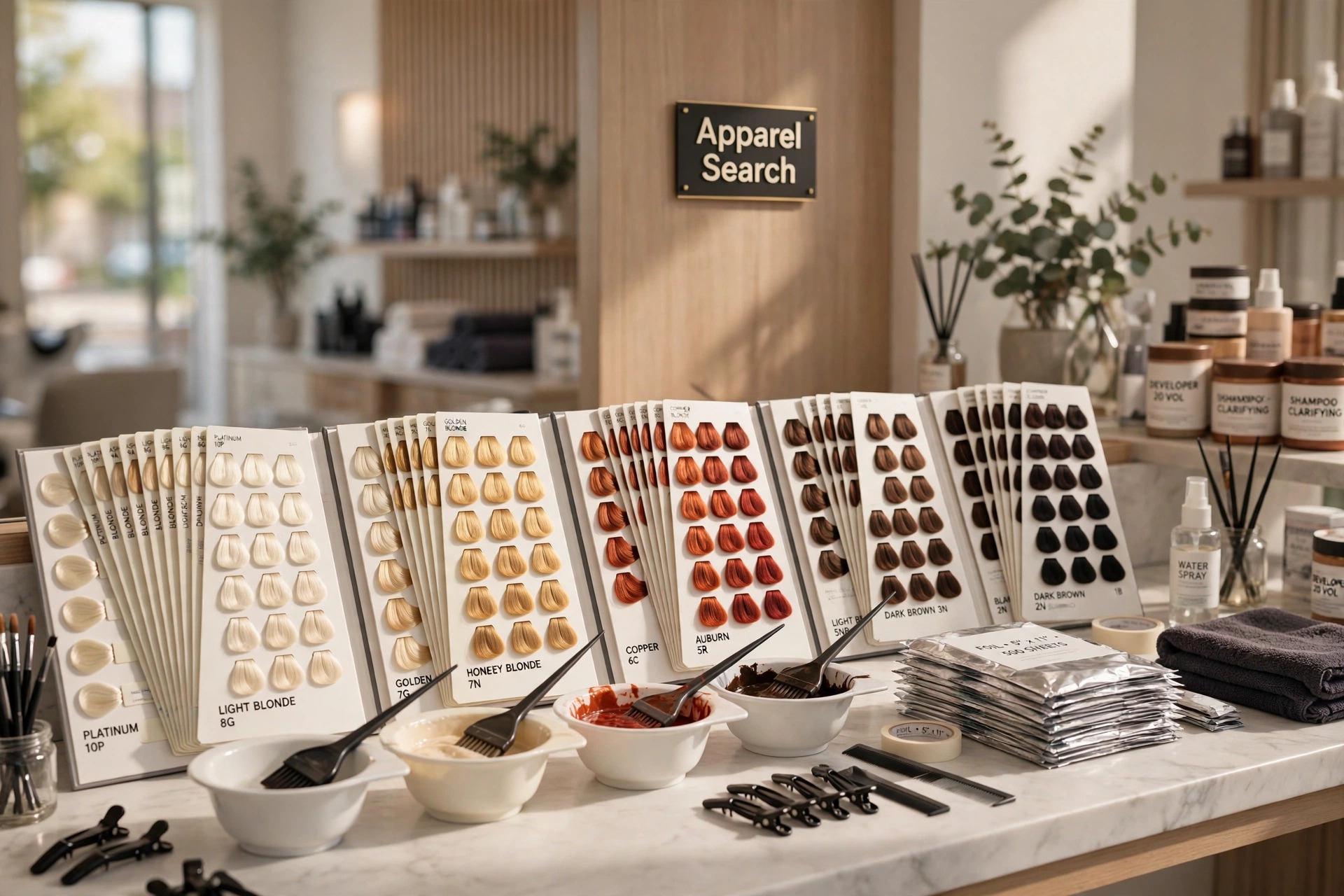
That ratio explains the variety of natural shades. Hair rich in black or brown eumelanin reads as black or brunette; hair with little melanin of any kind is blonde; and hair where pheomelanin makes up a larger share of the mix takes on the yellow and red tones behind strawberry blonde, copper and red hair. It also explains why dyed results vary from person to person: a color product deposits pigment over your natural base, so the starting ratio underneath influences the shade you end up with — the same box color rarely lands identically on two different heads of hair.
Choosing a Hair Color
Start from your natural tone rather than from a photograph of someone else's result. Because tone comes from the eumelanin-to-pheomelanin balance, a shade that sits near your natural depth and warmth is the most predictable change, while a jump of several levels lighter or a switch from warm to cool (or the reverse) is a bigger chemical job and a bigger maintenance commitment. Colors far from your natural base need lightening first, grow out with a visible line, and usually need more frequent refreshing to keep the tone even.
Think about upkeep before you fall for a shade. All-over color needs root touch-ups as hair grows; highlights and partial color grow out more softly and stretch the time between appointments. Reds and coppers are famously quick to fade, so they reward gentler washing and color-safe care, while covering grey takes a product with enough pigment and staying power for resistant hair. If you are selecting a color for the first time, a semi-permanent or gloss is a forgiving trial: it deepens and enriches tone, then fades gradually instead of leaving a hard regrowth line.
Questions Worth Researching Before You Dye
Video sites such as YouTube and TikTok are a rich hunting ground here — you will find tons of videos regarding hair color, demonstrated step by step by stylists and home colorists. Search the internet for hair coloring tips, tricks and hacks and you are sure to find plenty of great ideas. The topics below, and more, are all well covered:
- How to color your hair at home?
- How to dye tips of black locs golden blonde?
- What is the healthiest hair color?
- Are hair dyes safe?
- What is the best professional hair color brand?
- What is a trendy hair color for this year?
- How to apply oils and hair masks for hair hydration?
Two of those questions deserve a pause before any first application. Safety comes first: follow the product's own instructions, do the patch test it calls for, and be especially careful when lightening, because bleach-based processes are the ones most likely to damage hair when rushed or repeated. Hydration is the companion habit — oils and hair masks help colored hair stay soft and keep the new shade looking fresh between applications, which is why the hydration question belongs on the list alongside the color questions themselves.
Common Questions
What determines natural hair color?
Hair color is the pigmentation of hair follicles due to two types of melanin: eumelanin and pheomelanin. Generally, if more melanin is present the hair is darker, and if less melanin is present the hair is lighter. The tone depends on the ratio of black or brown eumelanin to yellow or red pheomelanin, which is why two people with similarly dark hair can have noticeably different warm or cool tones.
How can I test a hair color before dyeing?
Use a virtual hair color changer: upload your photo and test various hair colors on screen to get a quick virtual makeover and see how you look with a different color before any dye touches your hair. A strand test with the actual product is the other low-risk check, because it shows how the dye takes on your own hair, not just on a screen.
Where can I watch hair coloring techniques demonstrated?
Video sites such as YouTube and TikTok carry tons of hair color videos, covering topics like how to color your hair at home, how to dye the tips of black locs golden blonde, whether hair dyes are safe, which professional brands stylists rate, the trendy colors of the year, and how to apply oils and hair masks for hydration.
References & Further Reading
- Online Hair Color Changer — a virtual hair color changer to test various hair colors based on your photo. Get a quick virtual makeover and see how you look with a different color; dyeing your hair is only a few clicks away.