Angie Harmon Fashion Blog
Celebrity fashion blog posts and style coverage from Apparel Search — Angie Harmon
Angie Harmon’s career is a study in classic American dressing held steady for three decades. A teenage model-search winner who became Baywatch Nights’ Ryan McBride, Law & Order’s Abbie Carmichael and Rizzoli & Isles’ Jane Rizzoli, she has played variations on the same composed, tailored woman — and dressed as her off screen too. The fashion blog coverage follows that consistency: blazers, monochrome, clean lines, nothing chasing a trend. This page collects it.
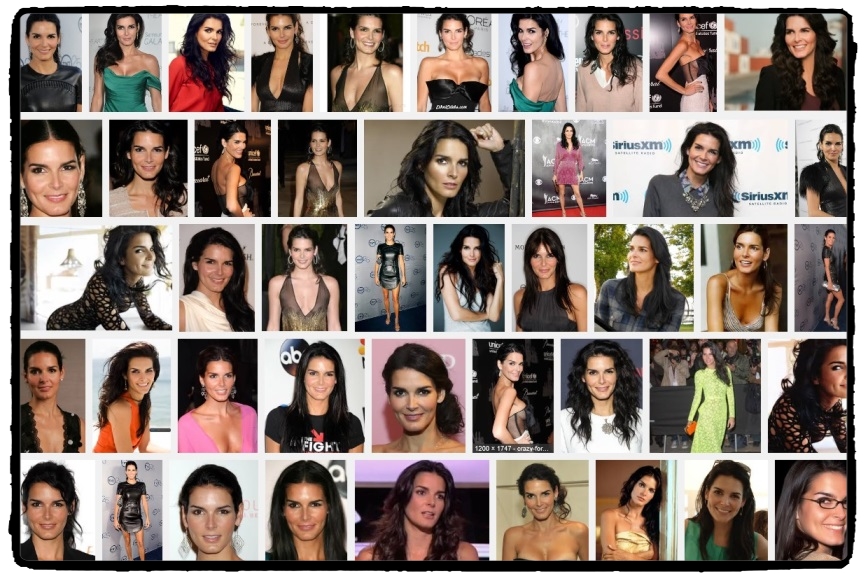
View more fashion blog celebrities.
Model Search to Primetime
Harmon won Seventeen magazine’s cover model search as a teenager and modeled professionally before acting took over in the mid-1990s. Baywatch Nights made her a television face; Law & Order made her a fixture — as Assistant District Attorney Abbie Carmichael (1998–2001) she brought a model’s posture to the courtroom procedural, in the sharp suiting the role required.
Film work including Agent Cody Banks and Fun with Dick and Jane, and the lead in Women’s Murder Club, kept the register consistent: polished, athletic, unmistakably American glamour, with the wardrobe to match.
Rizzoli & Isles: The Blazer Years
From 2010 to 2016 Harmon played Boston detective Jane Rizzoli across seven seasons of Rizzoli & Isles, one of cable’s biggest hits of its era. Rizzoli’s wardrobe — blazers, boots, dark denim, a detective’s badge worn like an accessory — became a reference for functional television dressing: clothes designed to move, sit in cars and command rooms, that still read as style.
The contrast with her co-star’s feminine dresses was the show’s visual engine, and Harmon’s off-screen appearances leaned into the same tailoring, making the character and the actress unusually continuous in the public eye. The blog coverage of those years is a record of the blazer as a star’s signature.
The Lifetime Chapter and Public Roles
Harmon’s recent screen work has centered on Lifetime, headlining the Buried in Barstow films (from 2022) as a former hitwoman turned diner owner — a role that swaps the blazer for workwear without losing the character’s composure. She has also been a visible UNICEF ambassador, traveling on behalf of children’s programs and lending the red-carpet wardrobe to benefit galas.
The blog coverage linked from this page follows the full span: the model-search teenager, the courtroom suits, the detective years and the present chapter — a single, disciplined approach to dressing sustained across every format American television has offered her.
Style Notes for Readers
Harmon’s method is subtraction. Her best-documented looks use a narrow palette — black, white, navy, camel — one strong structure such as a blazer or a column dress, and grooming finished to a shine. Nothing competes; everything is pressed, fitted and deliberate. It is the wardrobe logic of her characters made personal, and it explains why photographs from 1998 and 2024 sit so comfortably together.
For readers, her file is an argument that a signature beats a rotation: find the silhouette that carries your authority — in her case tailoring — and let decades of repetition turn it into recognition. The blog search above holds the evidence, season by season.
Dressing the Institution
There is an institutional dimension to Harmon’s wardrobe record: prosecutors, detectives and ambassadors dress to be believed, and her characters’ clothes are case studies in credibility dressing — the suit that persuades a jury, the blazer that commands a crime scene, the gala dress that opens donors’ wallets for UNICEF. Television rarely credits costume with that much narrative work, but her shows built it into the plots, and the coverage followed suit. Readers interested in how authority is dressed on screen will find her file, spanning courtroom to crime scene to benefit stage, one of the most instructive in this guide.
A Note on Longevity
Harmon has worked in every television economy of the last thirty years — syndicated action, network procedural, basic-cable hit, streaming-era television movies — and the wardrobe record shows each transition absorbed without a reinvention. That steadiness is itself the fashion story: while television changed around her, the tailored, monochrome discipline she started with remained commercially right for every format she entered.
Career Timeline
1995 — Television breakthrough on Baywatch Nights.
1998 — Joins Law & Order as Abbie Carmichael.
2003 — Appears in Agent Cody Banks.
2010 — Begins seven seasons as Jane Rizzoli on Rizzoli & Isles.
2022 — Headlines Lifetime’s Buried in Barstow films.
Following Angie Harmon’s Coverage
Her Instagram, Twitter and Facebook accounts are linked at the top of this page, with Wikipedia and IMDb for reference. The fashion blog search gathers the Apparel Search posts about her outfits, from the Law & Order courtroom suits to the Rizzoli blazer years and her Lifetime premieres. She sits in the A index of the Fashion Blog Celebrities guide, and the hub provides the full list.
Common Questions
What is Angie Harmon best known for?
Playing ADA Abbie Carmichael on Law & Order (1998–2001) and Detective Jane Rizzoli on Rizzoli & Isles (2010–2016) — after a teenage start as a Seventeen model-search winner and Baywatch Nights.
How would you describe Angie Harmon’s style?
Classic tailored American: blazers, monochrome palettes of black, white, navy and camel, column dresses and immaculate grooming — a disciplined signature sustained across three decades.
What has Angie Harmon done recently?
She headlines Lifetime’s Buried in Barstow films, playing a former hitwoman running a diner, and serves as a UNICEF ambassador.
Where can I read fashion blog posts about Angie Harmon?
Use the Angie Harmon Fashion Blog link at the top of this page. It searches the Apparel Search fashion blog for posts about her, covering the clothing, jewelry and beauty products she has been wearing and the designers and brands behind her outfits.