Ashton Kutcher Fashion Blog
Celebrity fashion blog posts and style coverage from Apparel Search — Ashton Kutcher
Ashton Kutcher is the rare male star whose fashion story starts on an actual runway — he was a working model in Paris and Milan before That ’70s Show — and whose second career, as one of technology’s most successful celebrity investors, required a complete wardrobe translation from trucker hats to boardroom tailoring. The blog coverage follows both men: the Kelso-era icon who made the trucker hat a global trend, and the Sound Ventures co-founder whose style now signals capital. This page collects it.
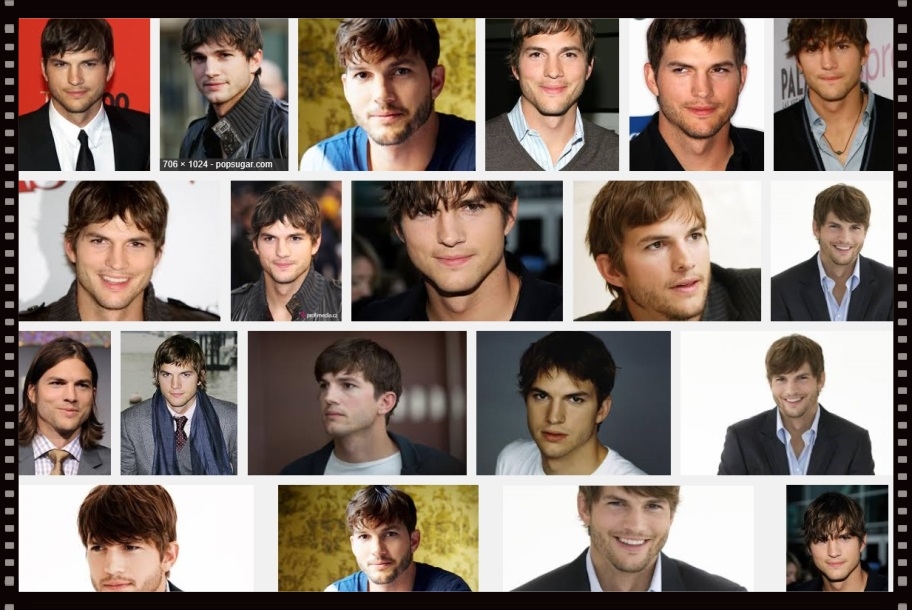
View more fashion blog celebrities.
The Model and the Trucker Hat
Kutcher was discovered at an Iowa modeling competition in 1997, signed with Next, and walked runways in Paris and Milan while fronting campaigns including Calvin Klein and Pizza Hut commercials — a genuine, if brief, high-fashion start that his later image rarely credits. That ’70s Show (1998) made him Kelso and a star; Punk’d (2003), which he created and hosted, made him an era’s style broadcaster.
The Punk’d-era wardrobe — trucker hats above all, with layered tees, cargo and distressed denim — became the default young-male uniform of the early 2000s, exported worldwide by the show’s cameras. Fashion history is unkind to the trucker hat now, but as a case of one performer’s casual dressing becoming a global trend, his file is unmatched in this guide.
The Sitcom Fortune and the Ranch
Film comedies and the drama The Butterfly Effect filled the 2000s; in 2011 Kutcher replaced Charlie Sheen on Two and a Half Men, becoming television’s highest-paid actor as the billionaire Walden Schmidt — a role whose wardrobe of soft tailoring and open collars previewed his own next act. The Ranch (2016–2020) returned him to denim and workwear as a Colorado rancher, and later film work including Vengeance (2022) and Your Place or Mine (2023) kept the screen career warm.
Through all of it the second career was compounding: early investments in companies including Skype, Airbnb and Uber, formalized in 2015 as Sound Ventures, the venture firm he co-founded — by wide agreement the most credible celebrity move into technology capital.
Investor Style and Thorn
The investor wardrobe is a deliberate dialect: unstructured tailoring, knitwear, clean sneakers and the occasional cap retained as a signature — dressed to be underestimated by exactly the amount that wins a deal. His conference and hearing appearances, including testifying before Congress on child exploitation, are covered as style events because the dressing is doing visible work: celebrity translated into institutional credibility.
That testimony connects to Thorn, the organization he co-founded in 2009 to build technology against child sexual abuse — the cause that most often puts the investor wardrobe in front of cameras now. The blog coverage linked from this page follows the full translation, from Milan runways to Senate hearing rooms.
Style Notes for Readers
Kutcher’s file is the guide’s clearest male study in dressing for successive rooms: the runway, the sitcom set, the startup boardroom and the Senate each demanded a different register, and his coverage shows the transitions negotiated in public — sometimes clumsily in the trucker-hat years, expertly since. The constant is fit and ease; the variables are formality and signal.
For readers, the practical lesson is that a signature survives translation when it is structural rather than decorative: his ease, posture-friendly tailoring and one casual trademark carried across every era, while everything else was renegotiated. The blog search above documents each negotiation.
Jobs, and the Twitter First
Two entries complete his record. In 2013 he played Steve Jobs in the biographical film Jobs — a role whose wardrobe, tracing the turtleneck’s evolution from hippie casual to corporate uniform, made the film an accidental history of technology’s most famous silhouette, worn by the one actor-investor who understood both industries from inside. And in 2009 he became the first Twitter user to reach one million followers, winning a public race against CNN — the moment his early-adopter instinct, noted beside his Twitter link on this page since it was written, announced the investor he would become.
Both entries belong in a fashion guide: the Jobs silhouette is technology’s most consequential piece of dressing, and the Twitter milestone is where his two careers — the photographed celebrity and the technology capitalist — first visibly merged.
The Long View
Few pages in this guide span fashion’s full modern economy — runway modeling, television costume, global trend export, luxury tailoring and venture-capital dressing — inside one career. Kutcher’s does, which is why his coverage keeps its audience across audiences that share nothing else: the Kelso nostalgists and the founders who study his portfolio both end up reading about the same wardrobe intelligence applied to different rooms.
Career Timeline
1997 — Discovered as a model; walks in Paris and Milan.
1998 — Begins eight seasons as Kelso on That ’70s Show.
2003 — Creates and hosts Punk’d; the trucker-hat era peaks.
2009 — Co-founds Thorn, building technology against child sexual abuse.
2011 — Joins Two and a Half Men as television’s highest-paid actor.
2015 — Co-founds the venture firm Sound Ventures.
2016 — Begins The Ranch.
2023 — Stars in Your Place or Mine.
Following Ashton Kutcher’s Coverage
His social accounts are linked at the top of this page, with Wikipedia and IMDb for reference. The fashion blog search gathers the Apparel Search posts about him — the Punk’d-era trend years, the sitcom tailoring and the investor wardrobe. He is the A index’s principal male style study, and the Fashion Blog Celebrities hub provides the full list.
Common Questions
Was Ashton Kutcher really a runway model?
Yes — discovered in Iowa in 1997, he signed with Next and walked runways in Paris and Milan, with campaigns including Calvin Klein, before That ’70s Show made him a star in 1998.
What fashion trend is Ashton Kutcher associated with?
The trucker hat, which his Punk’d-era wardrobe (from 2003) turned into the default young-male uniform of the early 2000s worldwide.
What does Ashton Kutcher do besides acting?
He co-founded the venture firm Sound Ventures (2015) after early investments in companies including Skype, Airbnb and Uber, and co-founded Thorn (2009), which builds technology against child sexual abuse.
Where can I read fashion blog posts about Ashton Kutcher?
Use the Ashton Kutcher Fashion Blog link at the top of this page. It searches the Apparel Search fashion blog for posts about him, covering the clothing and brands he has been wearing across his modeling, television and investor eras.