Dascha Polanco Fashion Blog
Celebrity fashion blog posts and style coverage from Apparel Search — Dascha Polanco
Dascha Polanco became famous in a prison uniform — Dayanara "Daya" Diaz on Orange Is the New Black (2013–2019) — and used the fame to become one of the most outspoken fashion subjects in this guide: a curvy Latina actress who called out designers who would not dress her, and built a red-carpet wardrobe of bold color and full glamour that made the argument in pictures. This page collects the Apparel Search fashion blog coverage of what she wears.
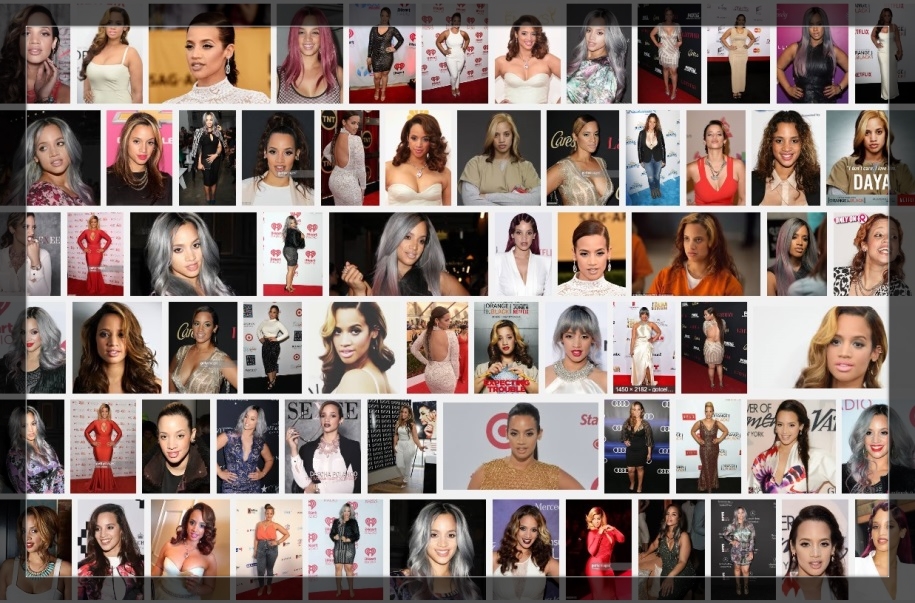
View more fashion blog celebrities.
Orange Is the New Black and the Fashion Argument
Polanco was working as a hospital administrator and had nearly given up acting when Orange Is the New Black cast her; the show became Netflix's defining early hit and Daya one of its central figures across seven seasons. Off screen she discovered the fashion industry's sample-size wall and said so, publicly and repeatedly, naming the designers who declined to dress a size-14 actress for events.
Her answer was to dress louder: saturated color, sequins, body-conscious gowns and dramatic beauty looks, styled as proof that glamour is not a size. Fashion weeks took note — she became a front-row presence and a recurring subject of the industry's body-diversity reckoning.
Screen Work Since
Film and television since include In the Heights (2021), as Cuca of the salon trio, and a steady run of roles across film and streaming series that keep her in premiere coverage. Her public style has kept its founding argument intact — the clothes remain bold, fitted and joyful.
For this guide she is a key document: an actress whose fashion coverage is inseparable from the point she set out to make, and who made it largely by getting dressed.
The Front Row as Argument
Polanco's fashion-week presence in the late 2010s was never just attendance. When a size-14 actress who had publicly named the designers refusing to dress her takes a front-row seat in a fitted, saturated, deliberately glamorous outfit, the outfit is the press release. She understood the mechanics — that fashion coverage of her would always mention the argument, and that the clothes could either apologize or insist. They insisted: sequins, jewel tones, silhouettes that took up their full space.
The industry context has shifted since — extended sizing is now a standard, if incomplete, conversation — and her early bluntness is part of the record of why. For this guide, her page documents the moment an actress treated her own wardrobe as an instrument of industry criticism, and won the point largely by getting dressed, repeatedly and well, in public.
Cuca and the Salon Chair
In the Heights gave Polanco a role that is itself a fashion document: Cuca, one of the three salon ladies of Daniela's Washington Heights beauty shop, costumed in the bright, patterned, nail-art register of the neighborhood's style economy. The salon trio's scenes are a set piece about beauty labor — the women who manufacture glamour for others — played by an actress who had spent years arguing with the industry about who glamour is for.
The casting closes a loop her page is uniquely able to show: the prison-uniform breakout, the front-row argument, and then the role that put her inside the beauty shop, in on the joke and the craft at once. Few fashion records in this guide have so neat an arc, or so much to say.
What Changed, and What She Changed
The industry Polanco argued with has not finished changing — extended sizing remains uneven, and sample-size casting persists — but the terms of the argument are hers now: coverage of a curvy actress's red carpet routinely asks who dressed her and celebrates the answer, a framing that barely existed before Orange Is the New Black made her famous.
Her own dressing has not softened with the victory. The color is still saturated, the fits still exact, the glamour still at full volume — the wardrobe of a woman who won a point and sees no reason to dress as though she hadn't. The blog record here, from the prison-uniform years to the salon chair, keeps the whole argument in view.
A Last Word on the Record
Polanco's page is, finally, about a change in who gets to be a fashion subject. When Orange Is the New Black began, an actress of her size and background was not expected to anchor red-carpet coverage; by the time it ended, she was anchoring arguments the whole industry had to answer. The clothes were the medium of that change, and the record here — uniforms, sequins, salon brights — preserves it in full.
In One Sentence
Stated plainly: she got dressed, loudly and beautifully, in an industry that had told her not to bother — and the industry moved. Polanco's page keeps the evidence of that movement, from the beige of a prison uniform to the sequins of the front row, in the order it happened.
Career Timeline
2013 — Begins seven seasons as Daya Diaz on Orange Is the New Black.
2019 — The series ends; her fashion advocacy is an established part of her profile.
2021 — Appears as Cuca in In the Heights.
Following Her Coverage
Her own accounts are her fastest channels, and Wikipedia and IMDb are linked at the top of this page for reference. The fashion blog search here collects Apparel Search's written posts about what she has been wearing. In the D index she sits among the letter's actresses; the Fashion Blog Celebrities hub provides the full list.
Common Questions
What is Dascha Polanco best known for?
Dayanara "Daya" Diaz on Orange Is the New Black (2013–2019), and her outspoken advocacy for body diversity in fashion.
What fashion point is she known for making?
That glamour is not a size: she publicly named the designers who would not dress her, and answered with a red-carpet wardrobe of saturated color, sequins and body-conscious gowns.
What has she done since Orange Is the New Black?
Film and television including In the Heights (2021), alongside continued front-row and advocacy work in fashion.
Why did her fashion-week appearances draw coverage?
Because they were the argument made visible: an actress who had named the designers who would not dress her, appearing front-row in fitted, saturated, unapologetic glamour.