Best Pandemic Clothing 2020
PPE, face masks and protective basics - plus the comfortable clothing a work-from-home year made essential
2020 was a unique year to say the least, and a trendy term for it has been the word unprecedented. The new coronavirus disease, called COVID-19, appeared and spread extremely quickly, making its way to numerous countries since its December 2019 discovery in China. A pandemic is a widespread occurrence of an infectious disease over a whole country or the world at a particular time - and in 2020, it changed what clothing was for.
This guide covers both halves of that change. The first half is protective: PPE and face masks, the terms of 2020. The second half is comfortable: with many people working from home, yoga pants and other comfortable garments became the rage, the sale of business attire decreased and the sale of casual and comfortable clothing increased.
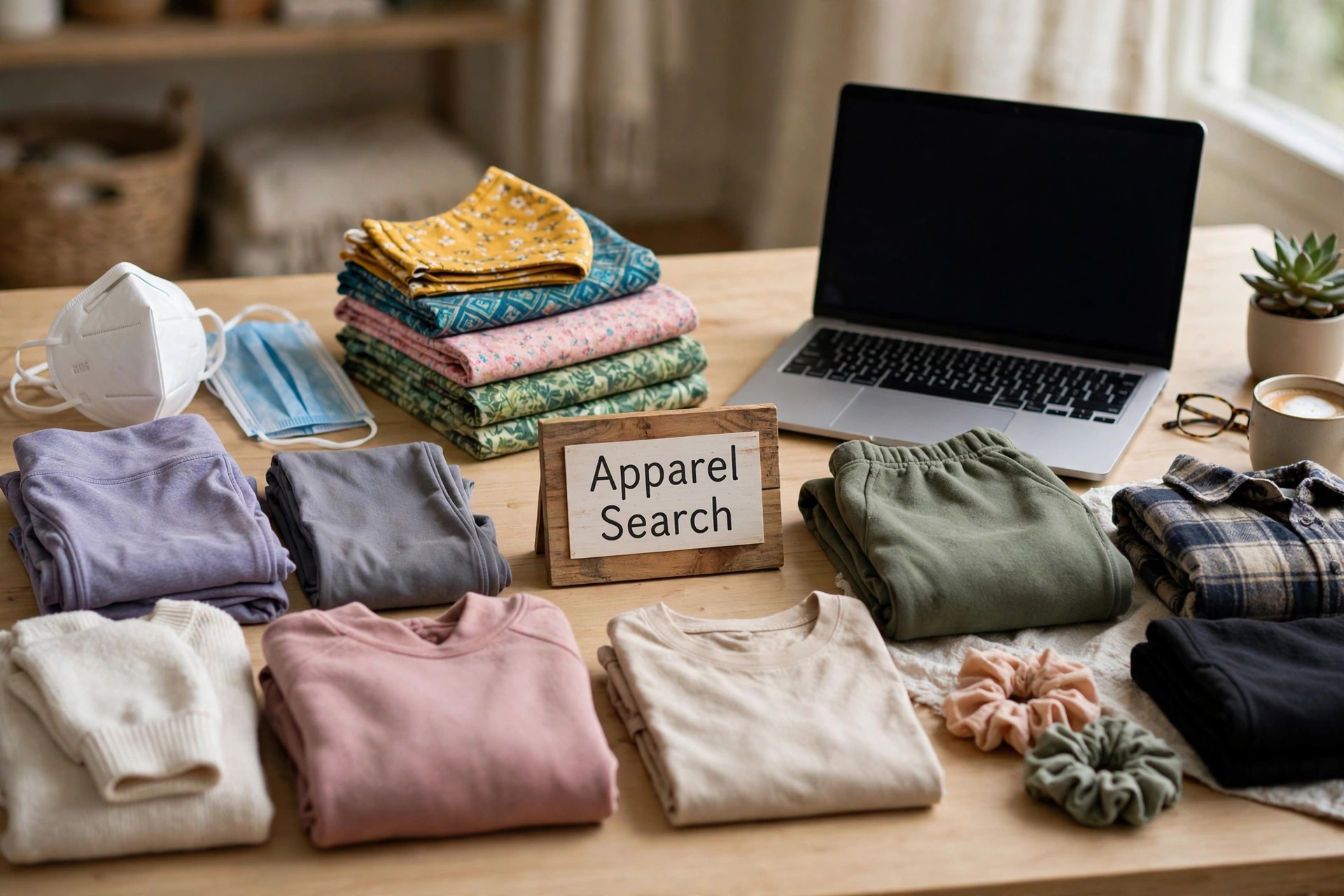
What COVID-19 Meant for Clothing
Coronavirus disease (COVID-19) is an infectious disease caused by a newly discovered coronavirus. Most people infected with the COVID-19 virus experience mild to moderate respiratory illness and recover without requiring special treatment. Older people, and those with underlying medical problems like cardiovascular disease, diabetes, chronic respiratory disease and cancer, are more likely to develop serious illness - which is why protective clothing stopped being a workplace-only idea in 2020 and became a household one.
When a pandemic occurs, it is important to take action to help slow the spread of the virus. The precautions named for 2020 were physical distancing, wearing a mask, keeping rooms well ventilated, avoiding crowds, cleaning your hands, and coughing into a bent elbow or tissue. Clothing sits inside that strategy, not instead of it: masks should be used as part of a comprehensive strategy of measures to suppress transmission and save lives, and the use of a mask alone is not sufficient to provide an adequate level of protection against COVID-19.
PPE and Face Masks: The Terms of 2020
Some of the popular clothing and accessory terms of 2020 have been PPE and facemasks. PPE stands for personal protective equipment: protective clothing, helmets, goggles, masks, or other garments or equipment designed to protect the wearer's body from injury or infection. The PPE clothing term page defines the category, and the face masks retail page gathers where masks were sold.
Two linked answers carry the detail. One explains surgical masks versus N95 respirator masks - different constructions for different jobs. The other covers the best protective face mask fabrics. Make wearing a mask a normal part of being around other people was the year's advice, and the appropriate use, storage and cleaning or disposal of masks are essential to make them as effective as possible. For making masks at home, the face mask patterns and the guide to sewing cloth face masks are the practical companions, and the men's surgical masks guide covers the category as clothing.
The Other Half of 2020 Dressing: Comfort at Home
In addition to protective face masks and other PPE clothing becoming very popular in 2020, casual clothing also gained by leaps and bounds. Because many people were working from home, yoga pants and other comfortable garments became the rage. The pattern is a genuine wardrobe inversion: the garments built for exercise, rest and home became the daily uniform, while the tailored clothing built for offices waited in the closet.
The site's comfort categories map that uniform. The loungewear product guide and the women's loungewear guide cover the soft separates people lived in, the women's yoga clothing guide covers the yoga pants at the center of the trend, and the yoga pants product guide follows the garment itself. For trade readers, wholesale medical clothing is the supply-side counterpart to the PPE story. Together they explain why 'pandemic clothing' meant both a mask by the door and soft pants at the desk.
A Historical Record, Not Current Guidance
This page is kept as a historical record of how clothing answered 2020. The precautions, mask advice and shopping patterns it describes belong to that year: products have changed, stores have changed, and health guidance has moved on. Anyone making protective decisions today should follow current guidance from current sources, and use the links here to understand the categories and terms rather than as present-day instructions.
What has not changed is the lesson in the wardrobe itself. In a single year, clothing's job description expanded - to protect, to comfort, and to make working from a kitchen table feel like a working day. Thank you for using the Apparel Search website.
Common Questions
What does PPE stand for, and what counts as PPE?
PPE stands for personal protective equipment: protective clothing, helmets, goggles, masks, or other garments or equipment designed to protect the wearer's body from injury or infection.
Is wearing a mask alone enough protection against COVID-19?
No. Masks should be used as part of a comprehensive strategy of measures to suppress transmission; the use of a mask alone is not sufficient to provide an adequate level of protection. The 2020 precautions also included physical distancing, ventilation, avoiding crowds and cleaning hands.
Why did casual clothing sell so well in 2020?
Because many people were working from home. Yoga pants and other comfortable garments became the rage, the sale of business attire decreased, and the sale of casual and comfortable clothing increased.
Photos

More to Explore
- Best of Fashion for Consumers
- PPE - Personal Protective Equipment
- Face Masks
- Surgical Masks vs N95 Respirator Masks
- Best Protective Face Mask Fabrics
- Face Mask Patterns
- Men's Surgical Masks Guide
- Loungewear: Styles & Product Guide
- Women's Loungewear Guide
- Women's Yoga Clothing Guide
- Yoga Pants: Styles & Product Guide
- Wholesale Medical Clothing
- Best Pandemic Fashion 2021
- Explore Apparel Search
- Explore the Fashion Industry
- Explore Fashion Careers