Fashion Term / Designer Dupes
What Is a Dupe? The Fashion Term, Defined
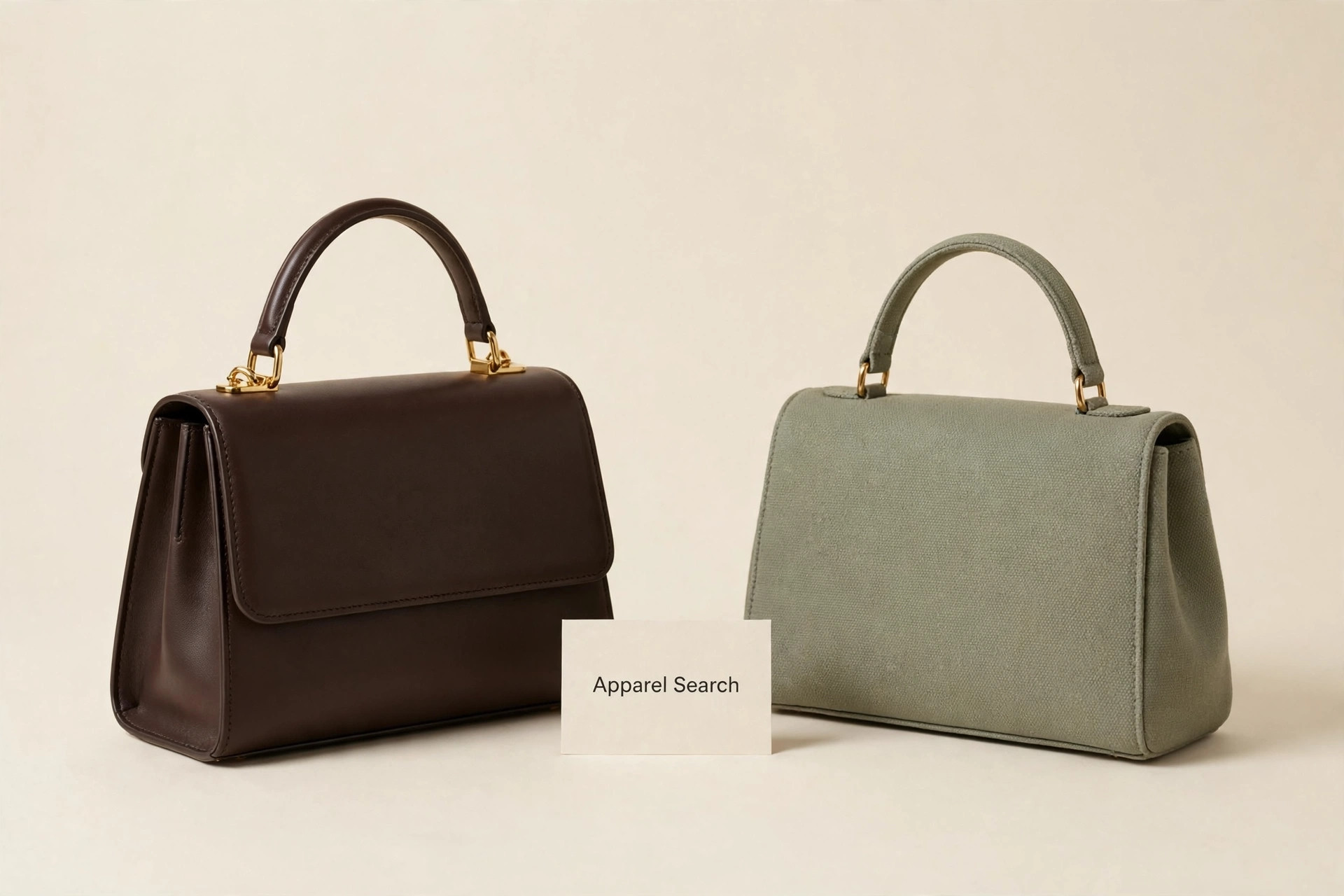
Dupe (noun and verb, pronounced “doops”) is a fashion slang term short for “duplicate.” A dupe is an affordable item that closely resembles a more expensive designer piece in style, silhouette, or feel, without carrying the designer’s branding or price tag.
How the Term Caught On
From Social Media Slang to Standard Shopping Vocabulary
The term rose to prominence through social media in the 2010s and 2020s, as creators began sharing affordable alternatives to popular products with their audiences. “Dupe” is now standard vocabulary in fashion and beauty shopping, and phrases like “designer dupes” and “Amazon dupes” rank among the most searched fashion terms on the internet.
Shoppers use the word loosely for almost any lower-priced lookalike, which is exactly why the distinctions below matter: the same word gets applied to honestly branded alternatives, borderline copies and, incorrectly, to outright fakes.
The Key Distinction
Dupe vs. Counterfeit
A dupe is inspired by a designer item. It does not use the designer’s logo, brand name, or trademarked markings. A counterfeit, by contrast, illegally copies the branding to pass itself off as the genuine article. Counterfeits are illegal; dupes are legal.
One caution keeps the picture honest: “dupe” is a shopping label, not a legal clearance. A logo-free lookalike can still raise design-patent or trade-dress questions, which is why the Designer Dupes guide treats the word as a starting point for checking a product rather than a guarantee. For the full picture of fake branding and buyer checks, see the Counterfeit Fashion Guide.
Close Cousins
Dupe vs. Knockoff
The terms overlap, but “knockoff” traditionally suggests a cheaper copy and sometimes carries a hint of the illicit. “Dupe” is the friendlier, modern term and generally implies a legitimate lookalike. Learn more on the knockoffs fashion term page.
“Inspired By”
Retailers and reviewers often describe dupes as “inspired by” the original piece. This phrasing captures the relationship honestly: the item takes its design cues from a popular product while standing as its own legitimate merchandise.
Using the Word Well
What Makes an Alternative Worth Calling a Good Dupe
A good dupe earns the comparison on the details shoppers can verify: fabric content and feel, construction, measurements and fit, and reviews that describe real wear rather than a first impression. A weak one borrows only the photograph. The brand guides in this section walk through the checks category by category — footbed feel for sandals, opacity and stretch recovery for leggings, structure and hardware for bags.
Apparel Search has created a full Designer Dupes guide with brand-by-brand pages to help shoppers find quality affordable alternatives, including Lululemon dupes, Hermes dupes, Skims dupes, Ugg dupes, and Birkenstock dupes.
Common Questions
Common Questions
Is a dupe the same as a counterfeit?
No. A dupe is inspired by a designer item and is sold under its own branding. A counterfeit copies the designer’s logo, name or trademarked markings to pass itself off as genuine, and counterfeits are illegal.
Are dupes legal?
An honestly branded inspired-by product is a legitimate item of merchandise, but “dupe” is a shopping label, not a legal clearance — design patents, trade dress and other rights can still apply to a lookalike. The Designer Dupes hub explains the distinction in more depth.
What is the difference between a dupe and a knockoff?
The terms overlap. “Knockoff” traditionally suggests a cheaper copy and sometimes carries a hint of the illicit, while “dupe” is the friendlier, modern term that generally implies a legitimate lookalike sold under its own name.
Search Apparel Search