Fashion Law & IP — Counterfeiting
Counterfeit Fashion Guide
Counterfeits, knockoffs and dupes look alike and are treated very differently. This guide separates them and shows how enforcement works.
Three kinds of lookalike crowd the fashion market, and only one of them is flatly illegal. Counterfeits carry fake trademarks and pretend to be genuine; knockoffs copy designs without the fake mark; dupes sell the look openly at a budget price. Confusing the three leads brands to overreach and shoppers to underestimate real harm. This guide separates them, explains how enforcement actually works, and shows how fakes are spotted. It builds on the site’s glossary pages on counterfeit goods and knockoffs, and is part of the Fashion Law & Intellectual Property Guide.
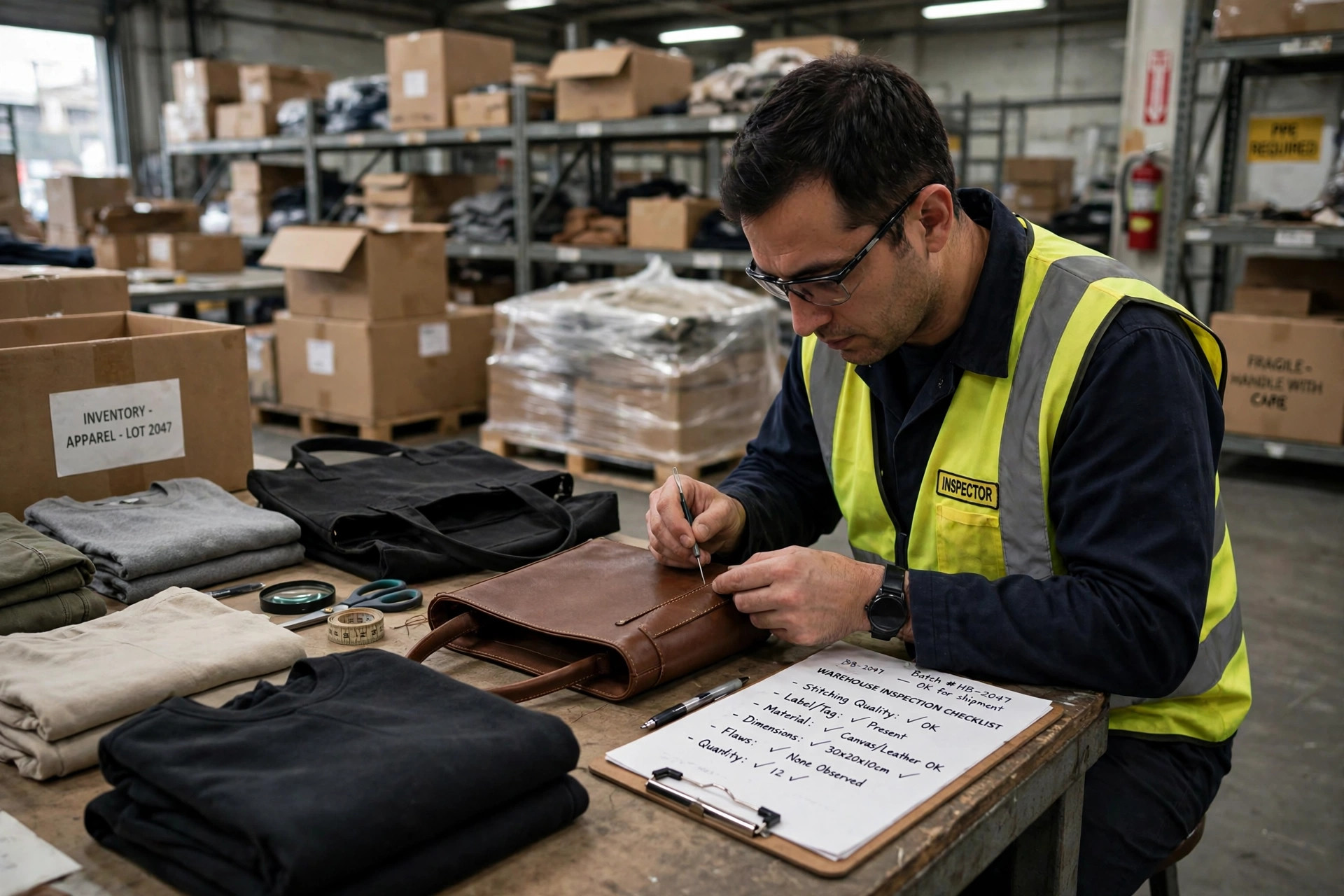
Counterfeit. A product bearing a spurious mark that is identical with, or substantially indistinguishable from, a registered trademark, made and sold to pass as the genuine article. The fake mark is what makes a product counterfeit; a copied style alone is something else.
Counterfeits vs Knockoffs vs Dupes
Counterfeits are trademark fraud: fake logos, fake labels, fake packaging, sold as real. They infringe by definition and are the target of seizures, raids and statutory damages. Knockoffs copy the design, not the identity: a dress or bag that closely follows a designer original but is sold under the copier’s own name. A knockoff can still infringe a design patent, trade dress or a copyrighted print, but the garment style alone is usually unprotected, as the copyright guide explains. Dupes are the market’s open version of the same idea: alternatives marketed as delivering a similar look for less, under their own branding. Unless a dupe crosses into confusing similarity of marks or protected design elements, it is generally lawful competition, however unwelcome it feels to the originator.
Why Counterfeiting Matters Beyond Lost Sales
Fake goods are made outside every system that makes genuine goods accountable. Materials are untested, so counterfeit footwear, sunglasses and cosmetics can carry real safety questions; production hides untaxed, unregulated labor; and the brand whose mark is faked absorbs the returns, complaints and reputational damage when the fake falls apart. Counterfeiting also funds itself through the same import channels as other contraband, which is why customs agencies treat trademark enforcement as a trade priority rather than a courtesy to brand owners.
How Enforcement Works
The strongest wall is the border. Brand owners record their trademark registrations with U.S. Customs and Border Protection, whose officers examine and seize counterfeit shipments at ports of entry; CBP describes its role on its intellectual property rights pages. Seized counterfeits are forfeited and destroyed. Behind the border, the toolkit includes exclusion orders against imported infringing goods, marketplace takedown programs and brand registries on the major selling platforms, civil suits with statutory damages that do not require proving exact losses, and, for organized operations, criminal referral. Honest sellers feel the system too: platforms suspend listings on accusation, which is why legitimate resellers keep invoices and sourcing records.
Spotting Fakes: A Practical Checklist
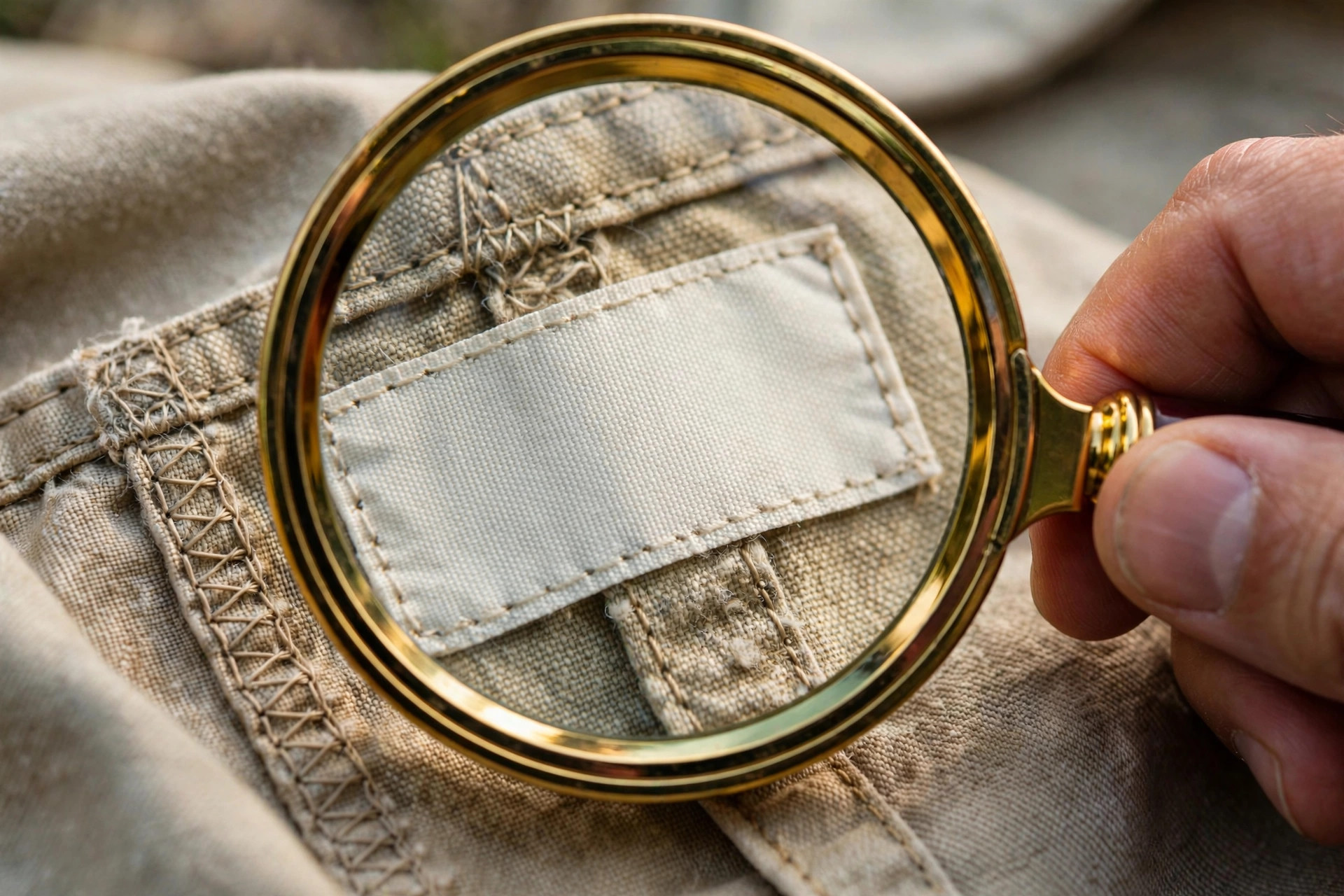
No single test is conclusive, but fakes rarely survive several checks at once. Price and channel come first: current-season luxury goods at a fraction of retail, from a seller with no relationship to the brand, is the loudest signal. Then the object itself: stitching that is uneven or sparse, labels with blurred type or misspellings, hardware that is light, sharp-edged or stamped crooked, linings and dust bags in materials the brand does not use, and serial or date codes in formats the brand never issued. Genuine goods are boringly consistent; that consistency is expensive to fake, and it is where counterfeits show.
That checklist is the short form. For the buyer’s side in full — a pre-purchase verification routine for designer pieces that runs from seller checks and provenance through construction, hardware, stamps and date codes — see our designer authentication guide, with dedicated step-by-step pages for handbags and sneakers.
Common Questions
Is it illegal to buy a counterfeit product?
United States law concentrates on sellers, importers and distributors: manufacturing, importing and selling counterfeits are clearly illegal, with civil and criminal penalties. A shopper who buys a fake for personal use is generally not the law's target, but counterfeit goods brought into the country can be seized by Customs, marketplace accounts can be closed for selling them, and knowingly reselling fakes is infringement.
What is the difference between a dupe and a counterfeit?
A counterfeit fakes the trademark and pretends to be the genuine product. A dupe sells a similar look under its own name and branding, without pretending to be the original. That distinction is the legal line: faking identity is infringement, while imitating an unprotected style is usually lawful, unless the dupe also copies a protected print, a patented design, or trade dress.
What happens to counterfeit goods seized at the border?
They are forfeited to the government and, after the legal process concludes, destroyed in nearly all cases. Customs and Border Protection seizes counterfeit apparel, footwear and handbags in large quantities every year, working from trademark recordations filed by brand owners, which is why recording a registration is a standard step in brand protection.
More in the Fashion Law and IP Guide
This page is general educational information about how intellectual property law applies to the fashion industry. It is not legal advice and does not create an attorney-client relationship. For advice about a specific situation, consult a qualified attorney.
Back to the Fashion Law & Intellectual Property Guide
Compare all four protection tools — copyright, trademark, trade dress and design patents — and find the guide that fits your question.