Fashion Law & IP — Design Patents
Design Patents for Fashion
The tool that protects a new shape from its first season: how design patents work for shoes, bags, eyewear and jewelry.
When a fashion house launches a shoe or bag with a genuinely new shape, copyright shrugs and trade dress asks for years of sales first. The design patent is the tool built for that moment: a government grant that protects how a product looks, available from launch if the design is new. This guide explains what design patents cover in fashion, how the application process works, and how brands sequence them with their other rights. It is part of the Fashion Law & Intellectual Property Guide.
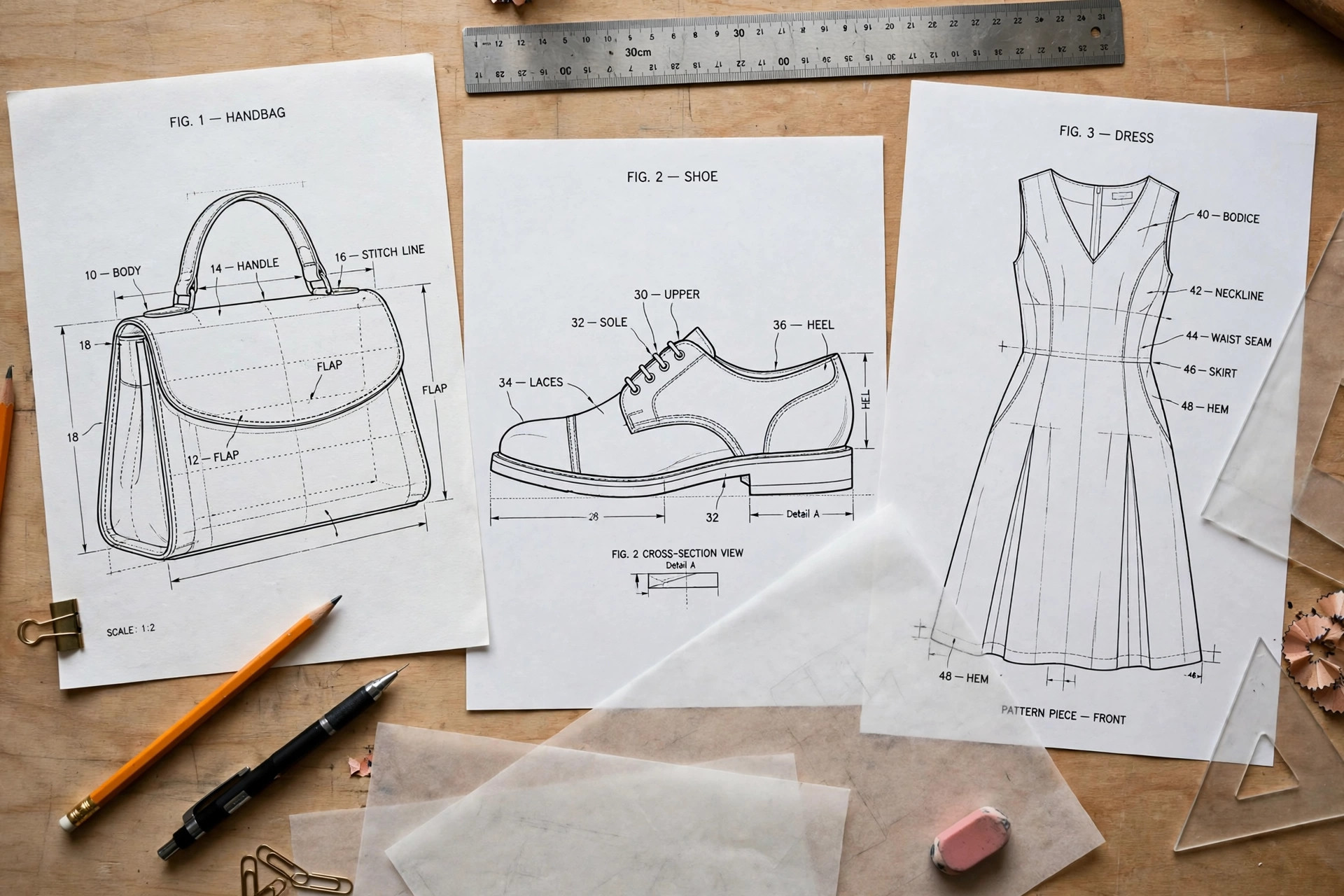
Design patent. A patent that protects the ornamental design of an article of manufacture — its shape, configuration and surface ornamentation as shown in the application drawings. It covers how a thing looks, never how it works; that is the territory of the utility patent.
Why Fashion Uses Design Patents
The design patent fills the two gaps the rest of this guide keeps meeting. Copyright refuses the garment’s shape because clothing is a useful article; trade dress protects a shape only after consumers learn it as a signature, which takes years. A design patent asks neither question. If the ornamental design is new and not an obvious variation of what came before, it can be protected from the product’s first season. That is why the fashion industry’s patent files are full of shoe silhouettes, handbag bodies, eyewear frames, watch faces, jewelry and sole patterns — high-recognition shapes on products where a close copy is easy to manufacture and hard to fight without a registration.
What Can Be Patented
The subject is the appearance of a specific article, claimed through drawings. In the application, solid lines show what is claimed and broken lines show the surrounding product that is not part of the claim, so a patent can cover the whole product or a distinctive portion of it — the shape of a heel, the pattern of a sole, the front of a frame. The design must be ornamental rather than dictated purely by function, and it must clear the same novelty hurdles as other patents: a design that is already public, or an obvious tweak of one, will not do. Because the drawings are effectively the legal description, they are prepared with unusual care, usually by a patent illustrator working from the product or its renderings.
The Process, Step by Step
- Search the prior art. Earlier patents, catalogs and product photos are checked so the design’s new features are understood before filing.
- Prepare the drawings. Standard views of the article (front, back, sides, top, perspective) are drawn with consistent solid and broken lines.
- File at the USPTO. The application has a single claim, the drawings, and a short description of the views; the filing date starts the clock against copiers and rivals.
- Examination. A design examiner compares the filing with the prior art; most applications receive at least one office action to answer.
- Grant. If allowed, the patent issues. For applications filed today the term is 15 years from the grant date, and design patents carry no maintenance fees.
Ordinary examination often takes a year or more, a real tension in an industry of seasons; an expedited “rocket docket” procedure exists for design applications that need a faster answer, at additional cost and with a pre-examination search required.
Enforcement and Limits
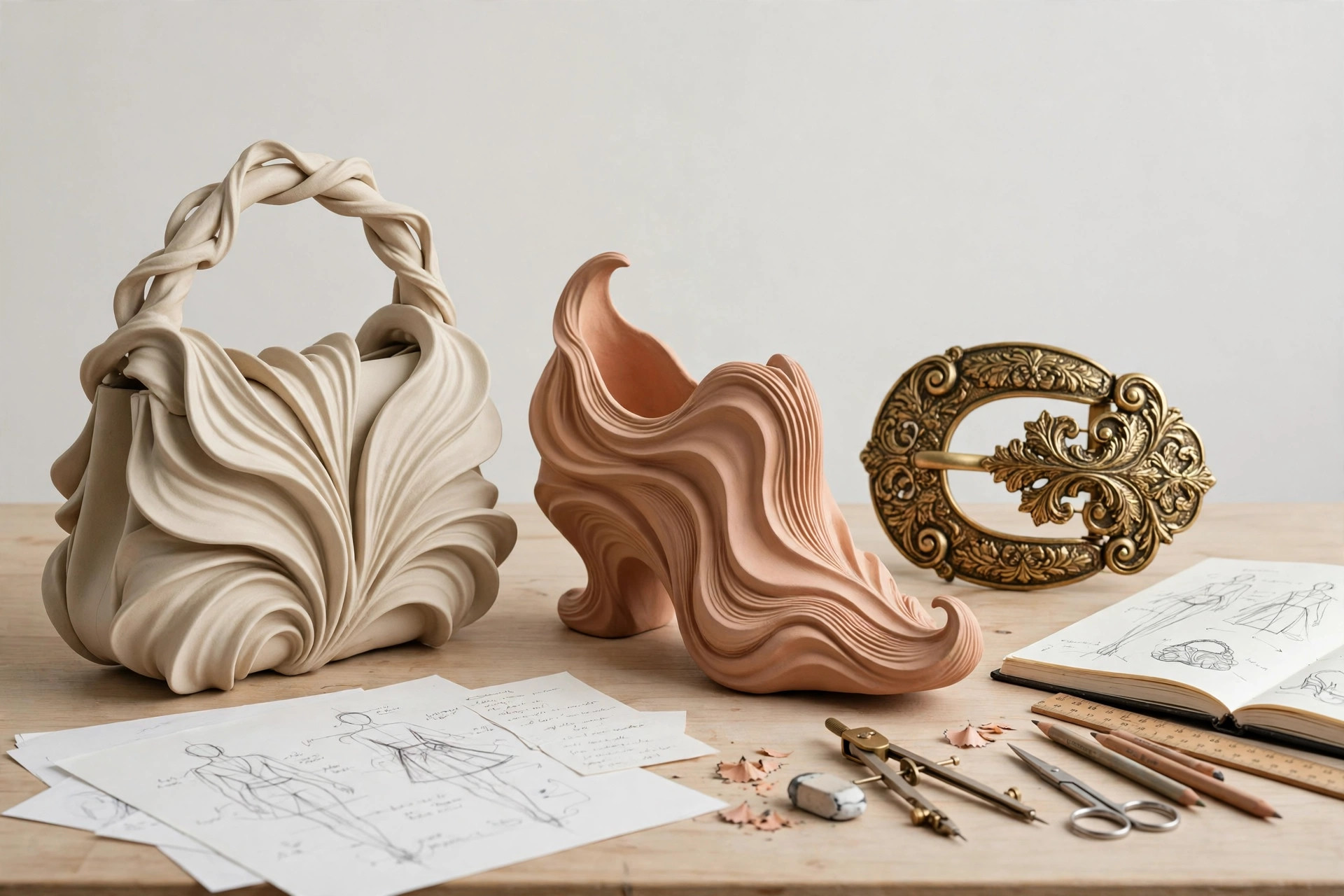
A design patent is infringed when an ordinary observer, comparing the accused product with the patented design against the background of prior art, would find the two substantially the same. Remedies include the usual injunctions and damages and, uniquely, the infringer’s total profit on the article of manufacture bearing the design. The limits are equally real: the term is fixed at 15 years, the patent covers only what the drawings show, and a design dictated by function belongs, if anywhere, in a utility patent. Season-driven products may also simply expire commercially before any case could be fought, which is why design patents are aimed at shapes a brand expects to keep selling.
Design Patent or Trade Dress? Use Both, in Order
The two rights are a sequence, not a choice. File the design patent at launch; advertise the shape consistently as a signature while sales build the recognition trade dress requires; when the patent expires, the trade dress — by then supported by years of evidence — can continue indefinitely for the nonfunctional elements. The brand’s trademark portfolio, in place from the beginning, holds the whole plan together.
Common Questions
How long does a design patent last?
Fifteen years from the date the patent is granted, for applications filed on or after May 13, 2015. Unlike utility patents, design patents require no maintenance fees to stay in force. When the term ends, the design enters the public domain unless its nonfunctional appearance has separately matured into protectable trade dress.
How is a design patent different from a utility patent?
A design patent protects ornament: the appearance of an article as shown in its drawings. A utility patent protects function: how an article works, what it does, or how it is made, described in written claims. A novel shoe shape is design patent territory; a novel cushioning mechanism inside the shoe would be a utility patent question.
Can a shoe or handbag design be patented?
Yes, if it is new, nonobvious and ornamental. Shoes and handbags are among the most common fashion subjects of design patents, covering silhouettes, soles, heels, clasps and surface patterns. The protection reaches the appearance shown in the patent drawings, so a copy that changes the overall look enough may fall outside it.
More in the Fashion Law and IP Guide
This page is general educational information about how intellectual property law applies to the fashion industry. It is not legal advice and does not create an attorney-client relationship. For advice about a specific situation, consult a qualified attorney.
Back to the Fashion Law & Intellectual Property Guide
Compare all four protection tools — copyright, trademark, trade dress and design patents — and find the guide that fits your question.