Fashion Law & IP — Copyright
Fashion Copyright Guide
Copyright guards the artwork on the garment, not the garment itself. This guide draws the line and shows how designers protect what can be protected.
Copyright is the fashion right everyone assumes is broader than it is. It strongly protects the artwork on a garment — the print, the graphic, the photograph — while generally refusing to protect the garment itself. This guide draws that line carefully: what copyright covers in fashion, what it leaves open, and how designers work with the difference. It expands the site’s glossary entry on fashion copyrights and forms part of the Fashion Law & Intellectual Property Guide.
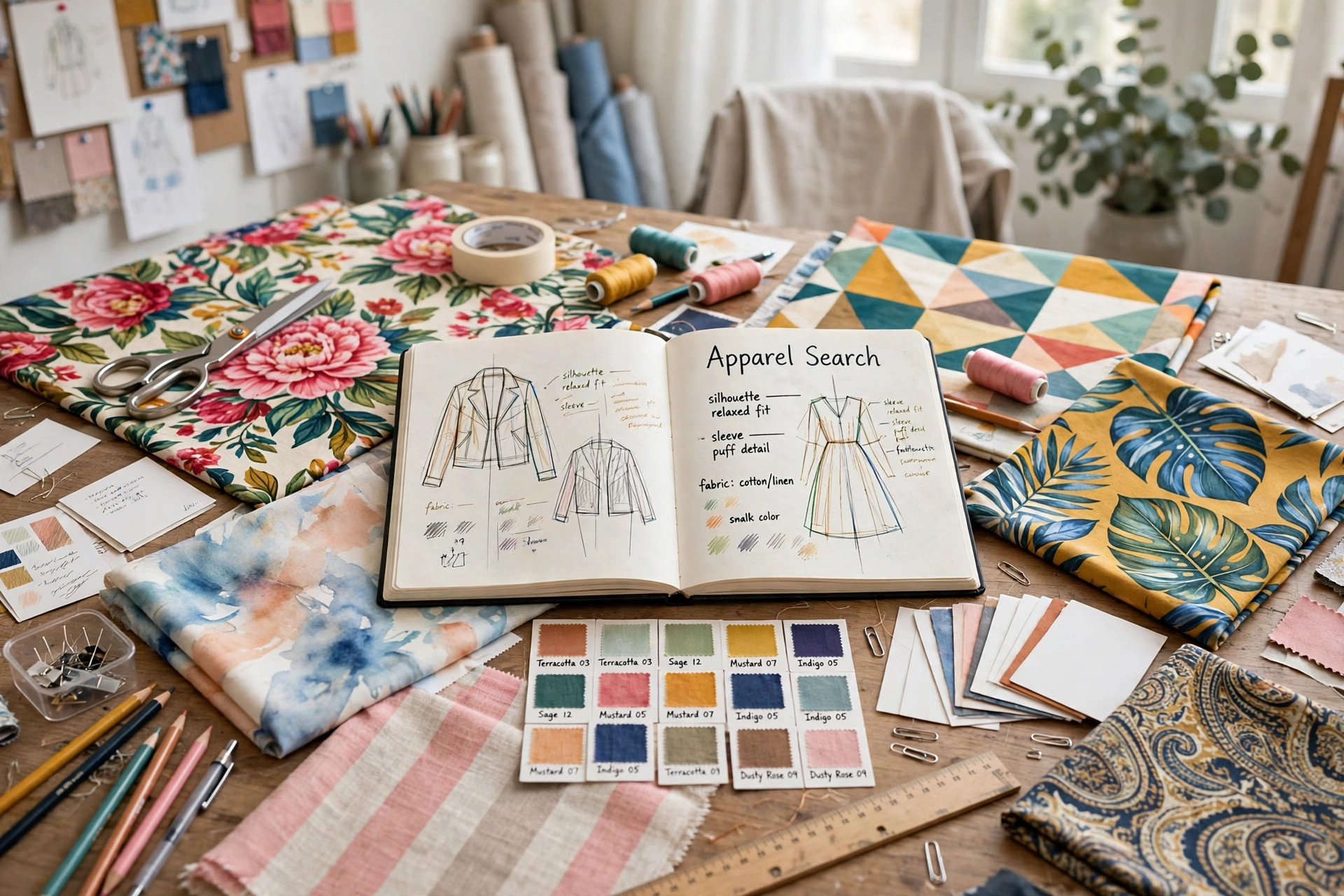
Useful article. Copyright law’s name for an object with an intrinsic utilitarian function — and clothing is the textbook example. Copyright protects only the features of a useful article that can be identified separately from, and exist independently of, its utilitarian parts.
What Copyright Protects in Fashion
Copyright begins automatically when an original work is fixed in tangible form, and in fashion it covers more than many expect. Two-dimensional artwork leads the list: fabric prints, surface patterns, embroidery and lace artwork, appliqué designs and graphic art for tees. Around the product, copyright covers lookbook and campaign photography, website and catalog text, illustrations and sketches themselves, and original jewelry or sculptural elements whose artistic features stand apart from their function. The originality bar is low — a work needs only a minimal spark of creativity — but it is real: a common plaid woven in the usual way, a standard stripe, or an idea for a design, as opposed to its expression, gets no protection.
What It Does Not Protect: The Garment Itself
The cut, silhouette and construction of a dress, suit or shoe are, with narrow exceptions, outside copyright. This is the useful article doctrine: because clothing’s purpose is to cover and carry the body, its shape is treated as function rather than expression. The Supreme Court’s separability test asks whether a feature can be perceived as a two- or three-dimensional work of art separate from the useful article, and whether it would qualify as a protectable picture, graphic or sculpture if imagined on its own. Under that test, surface decorations like a print on the fabric can pass, while the garment’s cut almost never does. Designers who need the shape itself protected turn instead to design patents and, over time, trade dress.
Prints, Patterns and How They Reach the Fabric
Because prints are fashion’s clearest copyright asset, how a print is produced shapes how it is copied. A design drawn for screen printing, repeated by rotary screens, placed by digital printers or transferred by sublimation can be reproduced with near-perfect fidelity from a single sample garment, which is why print theft is the industry’s most common copyright complaint. Our companion Textile Printing Methods Guide explains those production methods; the legal point is simpler: the artwork file is the protected work, and copying it onto fabric is infringement whether the copier redraws it by hand or scans the finished cloth.
Registration and Enforcement Basics
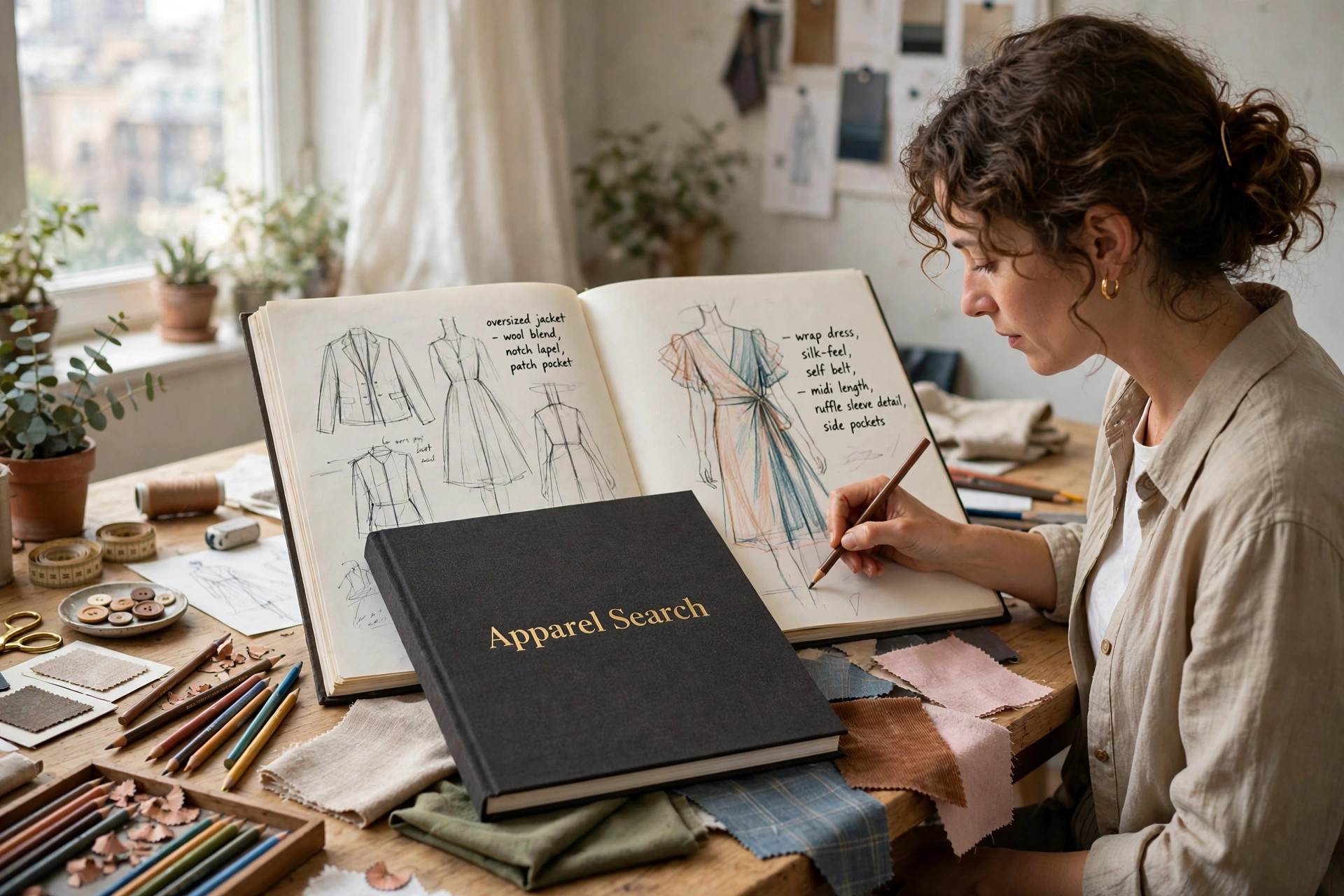
Protection is automatic, but enforcement runs on registration. Registering a work with the U.S. Copyright Office — described at copyright.gov — is required before suing over a United States work, and timely registration (before infringement or within three months of publication) preserves statutory damages and attorney’s fees, which are often the difference between a practical case and an empty one. Prints are therefore best registered as collections before the season ships. The term is long: for works by individual authors, the author’s life plus 70 years; for works made for hire, 95 years from publication or 120 from creation, whichever is shorter.
The Fashion Debate: Copying as Fuel
Fashion is the famous exception in creative industries, and scholars argue about whether that is a bug or the engine itself. The “piracy paradox” holds that copying spreads trends, speeds their exhaustion, and pushes consumers and designers toward the next new thing — a cycle the industry monetizes. Congress has repeatedly considered bills that would give garment designs a short term of protection against close copying, and none has become law. For working brands the debate is academic: the practical strategy is to protect what the law does protect — prints and graphics by copyright, names by trademark, shapes by design patent — and compete on speed with the rest.
Common Questions
Can you copyright a dress design?
Generally no, not the garment itself. Clothing is a useful article, so its cut and silhouette fall outside United States copyright. What can be protected are the separable creative elements: a fabric print, original lace or embroidery artwork, graphics, and photographs. For the shape itself, designers use design patents and, once a look is famous, trade dress.
Does copyright protect fabric prints and patterns?
Yes. An original print or surface pattern is a two-dimensional work of art and is copyrightable if it shows even minimal creativity. Registration is still important: it is required before a lawsuit over a United States work, and early registration preserves statutory damages. Stock prints and common patterns in the public domain remain free for everyone to use.
How long does copyright last?
For a work by an individual author, the author's life plus 70 years. For works made for hire, such as prints created by employees within their jobs, the term is 95 years from publication or 120 years from creation, whichever ends first. By contrast, the commercial life of a fashion print is usually a season or two, so the practical issues are registration timing and enforcement speed, not the term.
More in the Fashion Law and IP Guide
This page is general educational information about how intellectual property law applies to the fashion industry. It is not legal advice and does not create an attorney-client relationship. For advice about a specific situation, consult a qualified attorney.
Back to the Fashion Law & Intellectual Property Guide
Compare all four protection tools — copyright, trademark, trade dress and design patents — and find the guide that fits your question.