Apparel Search Consumer Guides
Designer Authentication Guide
How to verify a designer piece before money changes hands: the seller and the story first, then construction, hardware, codes and paperwork — and the point at which a professional opinion is worth paying for.
Buying designer fashion secondhand used to mean trusting a boutique. Today it mostly means trusting a listing: photographs, a description and a seller you will never meet. At the same time, counterfeits have improved. The best fakes now copy the obvious details and fail, if they fail at all, on consistency across dozens of small ones. Authentication is the skill of reading that consistency. It is not a single magic test, and anyone who offers you one — just check the code, just smell the leather — is selling a certainty that does not exist. What exists is a process: a series of independent checks, each modest on its own, that together leave a fake almost nowhere to hide.
This guide teaches that process from the buyer's side of the table. It starts where experienced buyers start — with the seller, the price and the piece's history — before it ever looks at a stitch, because most bad purchases are identifiable before the item is in your hands. It then works through the object itself: construction and materials, hardware and stamps, codes and documentation. Two companion guides go deep on the categories where the money and the fakes concentrate: authenticating a designer handbag, check by check, and spotting fake sneakers. What this guide deliberately does not do is hand out brand-by-brand code charts. Formats change across the years, codes are copied wholesale, and a chart that was right for one era is a trap on another. The checks below are the durable kind: they work because genuine manufacturing is consistent in ways that are expensive to imitate.
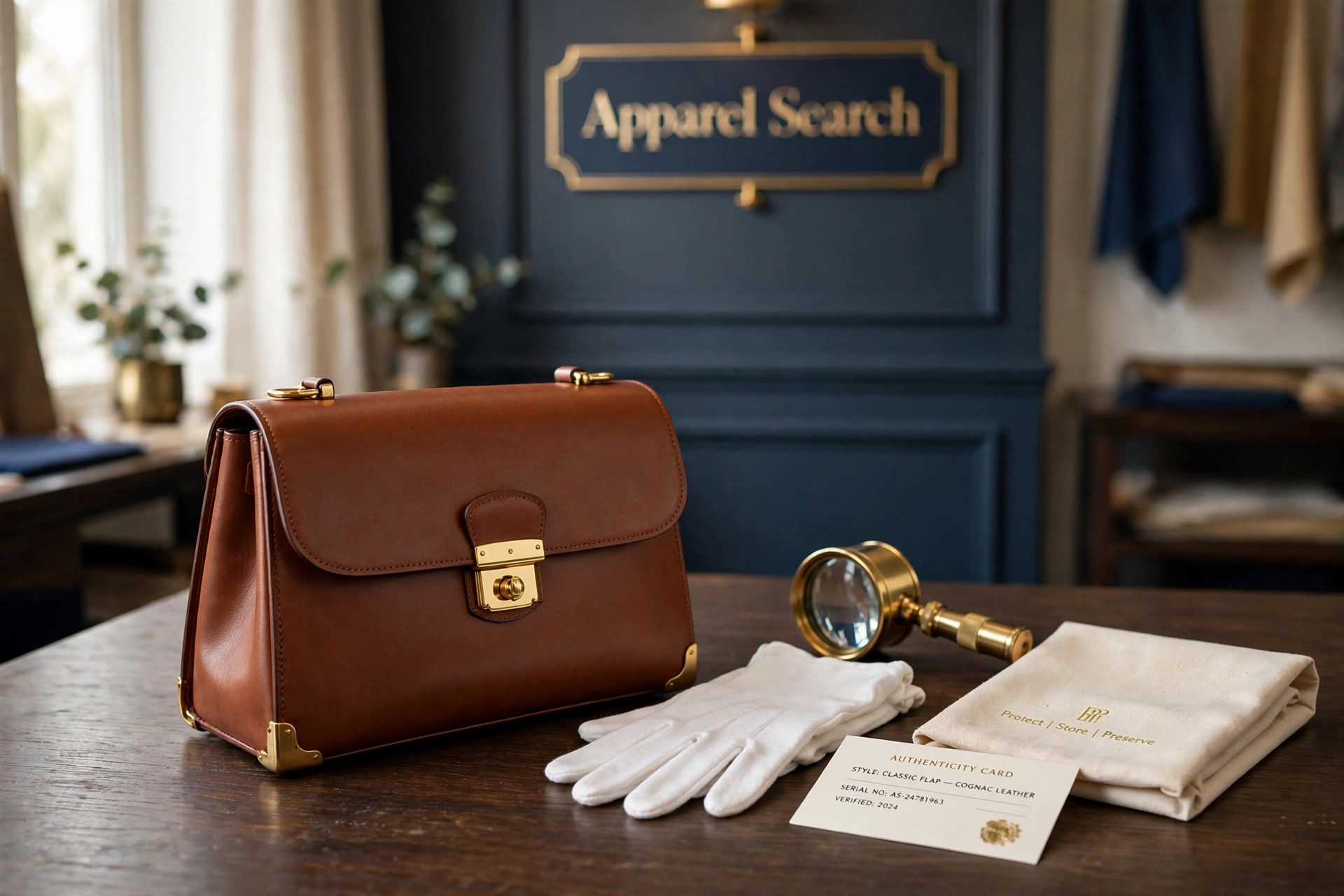
Search Apparel Search
The Guides in This Section
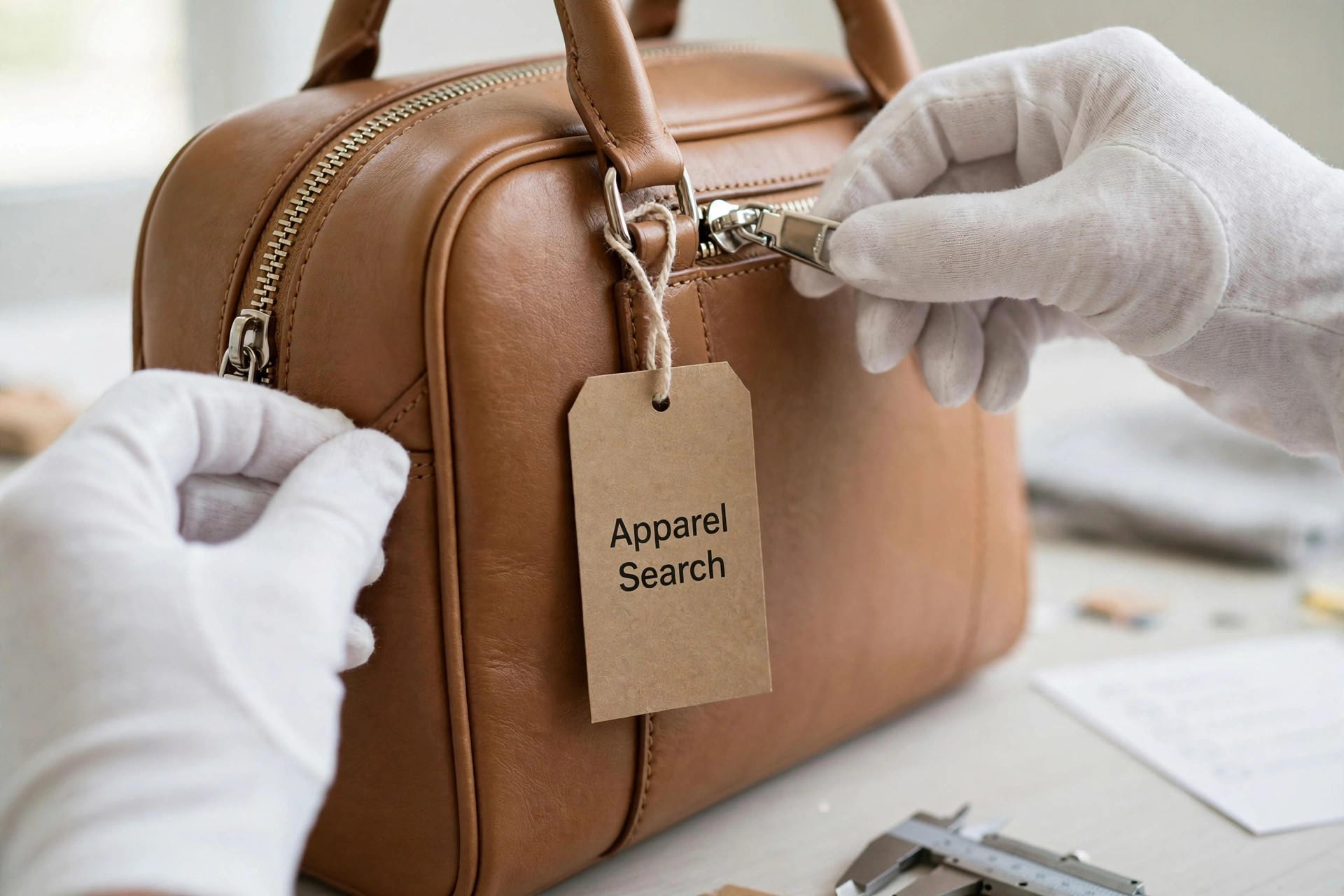 How to Authenticate a Designer HandbagThe handbag examination in order: shape and proportions, leather, stitching, hardware weight and engraving, lining and stamps, date codes, dust bag and paperwork, smell and feel.
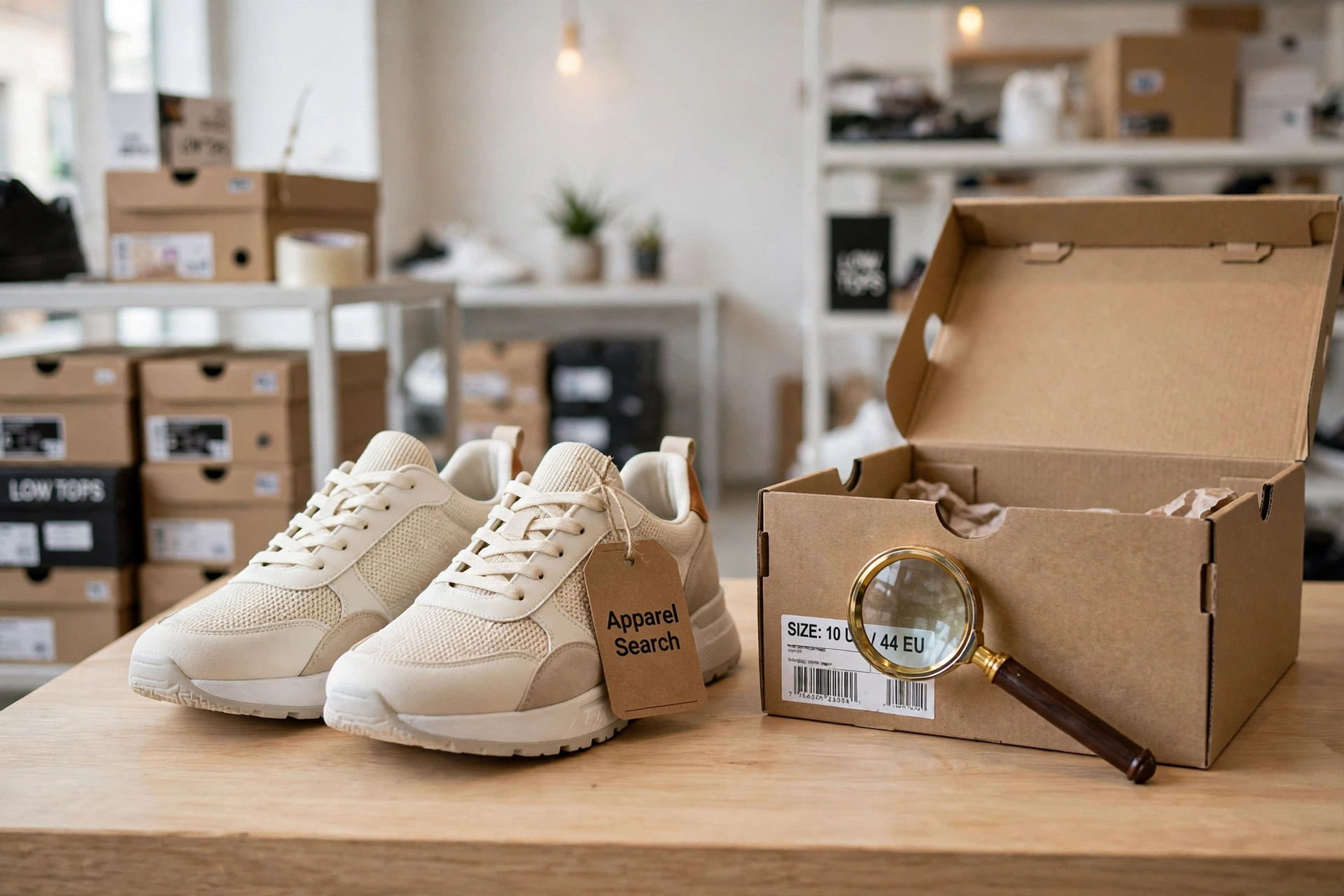 How to Spot Fake SneakersThe sneaker checks: price and channel first, then the box, the style-code cross-check between box and shoe, the size tag, stitching and glue, materials and smell.
The Verification Order
- Start with the seller, not the item. Who is selling, how long have they traded, what do their reviews actually say, and do they guarantee authenticity in writing behind a real return policy? A seller who will not stand behind a piece has told you the most important thing about it. Marketplaces and consignment platforms with their own authentication step and buyer protection raise the floor considerably; a private listing paid by an irreversible method lowers it to nothing.
- Check the story: provenance. Genuine pieces tend to have histories — an original purchase, a receipt, a previous owner who can say where the piece came from. Ask. Vague stories are not proof of fakery, but every gap in the story means the remaining checks have to work harder. Documentation is covered properly at step six; provenance is the account those documents are meant to support.
- Reality-check the price. Find what the same model, in similar condition, actually sells for across several reputable resale channels. A current, desirable piece offered far below that range, by a seller with no relationship to the brand, is the loudest single warning in this guide. Bargains do exist — estates, mistakes, urgent sales — but each one needs every other check to be impeccable.
- Examine construction and materials. This is where genuine goods are boringly consistent: even stitching at a steady count, clean edge finishing, the lining the model specifies, materials correct for the model and its era. Our guide to spotting quality and fakes secondhand covers the general construction checks across garments and leather goods; the handbag and sneaker guides in this section apply them to those categories piece by piece.
- Hardware, logos and stamps. Metal on genuine pieces has real weight and clean finishing — no sharp seams, no flaking — and engraving that is crisp and correctly spelled. Logos and lettering should match the house's type exactly and sit exactly where the model places them. Counterfeiters reproduce the existence of these details far more easily than their quality.
- Codes and documentation. Many houses mark pieces with date codes, serial numbers or similar identifiers, and paperwork — receipts, care booklets, authenticity cards — often travels with genuine pieces. Treat all of it as supporting evidence, never proof: codes are copied, cards are printed in bulk, and formats change over the years, so a code whose format belongs to another era is a red flag, while a plausible-looking code proves little by itself. What you are checking is consistency: does the code's format fit the item's apparent age, does the paperwork match the model, and do the documents and the object tell the same story?
- Decide: buy, verify, or walk away. If the checks pass and the price still makes sense, buy with a payment method that protects you. If the piece is expensive and any check is uncertain, obtain a professional authentication opinion before paying, or buy only where a return is genuinely possible. And if several independent checks fail, walk away whatever the seller says. There will always be another bag, another pair, another listing. The discipline to leave a doubtful piece is the whole skill.
What Authentication Can and Cannot Prove
Be honest with yourself about the ceiling of any checklist. A careful buyer catches the great majority of fakes, because most counterfeits are made to a price and fail on materials, finishing or consistency. The very best counterfeits — the ones the resale trade calls superfakes — are made specifically to pass the standard checks. On those, even experienced authenticators slow down, compare against known-genuine examples of the same model and era, and sometimes reach for magnification, measurements and reference archives before giving an opinion.
Nor can you usually get the brand to settle the question. Boutiques generally will not authenticate an item brought in off the street, brands do not issue verdicts by email, and a brand servicing or repairing an item is not thereby certifying it. Professional authentication services — photo-based and in-person — fill that gap with trained opinion, and the established ones put a money-back guarantee behind their certificates on the platforms they serve. That guarantee is the real product: not certainty, which nobody can honestly sell you, but accountability if the opinion proves wrong. For a purchase in the low hundreds, your own checks plus a protected payment are usually proportionate. Into the thousands, a professional opinion and a working return route are not extras; they are part of the price of buying safely.
The Legal Side of the Same Problem
This guide covers verifying a purchase, and the construction checks it leans on are taught in depth by the secondhand quality guide linked at step four. Its legal companion, our counterfeit fashion guide, approaches the same fakes from the law's direction — trademarks, enforcement, and what happens to counterfeits seized at the border.
Common Questions
Can I authenticate a designer item myself?
You can screen one, and screening is what most purchases need. The checks in this guide — seller, provenance, price, construction, hardware, codes and paperwork — will catch the large majority of counterfeits, because most fakes fail on consistency somewhere. What self-checking cannot honestly promise is certainty against the very best fakes. On an expensive piece, treat your own pass as the first filter and a professional authentication opinion as the second.
Does a receipt or an authenticity card prove an item is real?
No. Receipts, cards, dust bags and boxes are all reproduced by counterfeiters, and they are also sold separately, so a genuine document can travel with a fake item and a fake document with a genuine one. Treat paperwork as supporting evidence: it should match the model, the era and the seller's story, and it counts for something only when the item itself also passes the construction, hardware and code checks.
Will the brand authenticate it for me?
Generally, no. Most designer boutiques will not authenticate an item you bring in, brands do not issue authenticity verdicts by phone or email, and having an item serviced or repaired is not a certification. That gap is exactly why independent authentication services exist — and why buying from sellers and platforms with their own authentication step and buyer protection is the safer route for valuable pieces.
What does a professional authentication service actually do?
Trained authenticators examine the item — in person, or from a detailed set of photographs — comparing construction, materials, hardware, stamps, codes and typography against records of genuine examples of the same model and era. You receive a verdict, often as a certificate, and established services back their opinions with a money-back guarantee on the marketplaces they serve. It is an expert opinion with accountability behind it, not a brand-issued guarantee.
Start With the Bag
Handbags carry the highest resale prices and the most practiced fakes, so they earned the deepest checklist. Our handbag authentication guide runs the full examination in order — silhouette, leather, stitching, hardware, stamps, codes, paperwork — with what genuine construction usually shows at each step, and what should make you pause.