Apparel Search · Materials Guide
The Leather Guide: Types, Grades, Tanning & Care
Everything the fashion industry works with but rarely explains — what leather grades really mean, which hide makes which product, how tanning works, when faux leather makes sense, and how to care for the real thing.
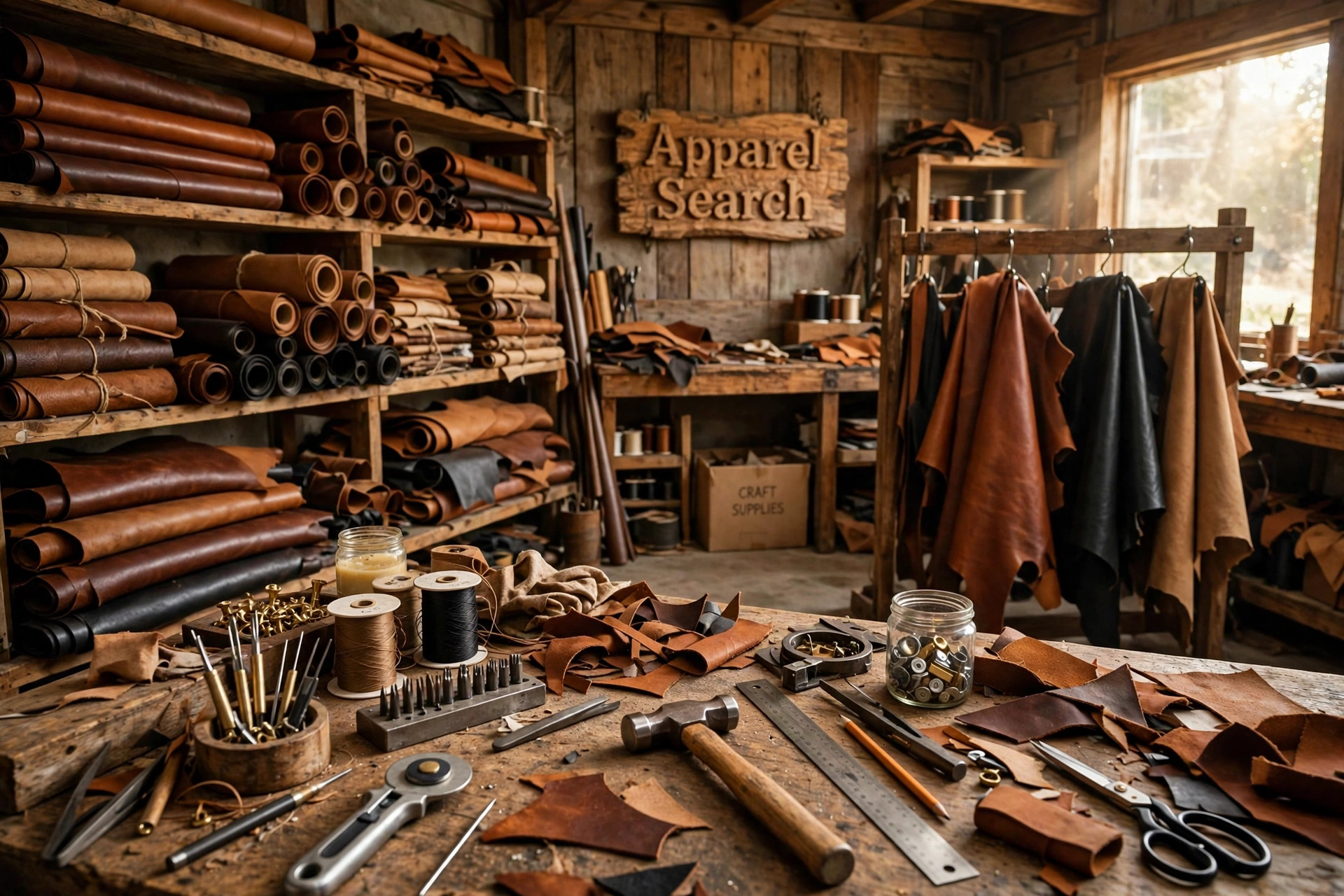
Leather is one of the oldest materials in clothing and still one of the most misunderstood. Two jackets can hang side by side in a store, both labeled simply “leather,” yet one costs five times as much as the other and will outlast it by decades. The difference is not branding. It is the grade of the hide, the animal it came from, the way it was tanned and finished, and how well it is cared for afterward. This guide walks through each of those layers so you can read a label, judge a product, and understand what you are paying for.
Apparel Search has catalogued leather clothing, shoes and accessories for years — the women's leather clothing guide and the men's leather clothing guide cover the products themselves. This cluster covers the material underneath them: the substance every one of those jackets, bags, boots and gloves is made from.
Leather, Defined
Leather is the hide or skin of an animal that has been tanned — chemically treated so the protein fibers stabilize and the material will not decay. An untanned hide is rawhide: stiff when dry and quick to rot when wet. Tanning is what turns it into a flexible, durable material that can serve for decades. See the full glossary entry for leather in the Apparel Search definitions.
The Six Guides in This Cluster
Each guide below takes one part of the leather story in depth. Together they answer the questions shoppers, students and industry newcomers ask most often.
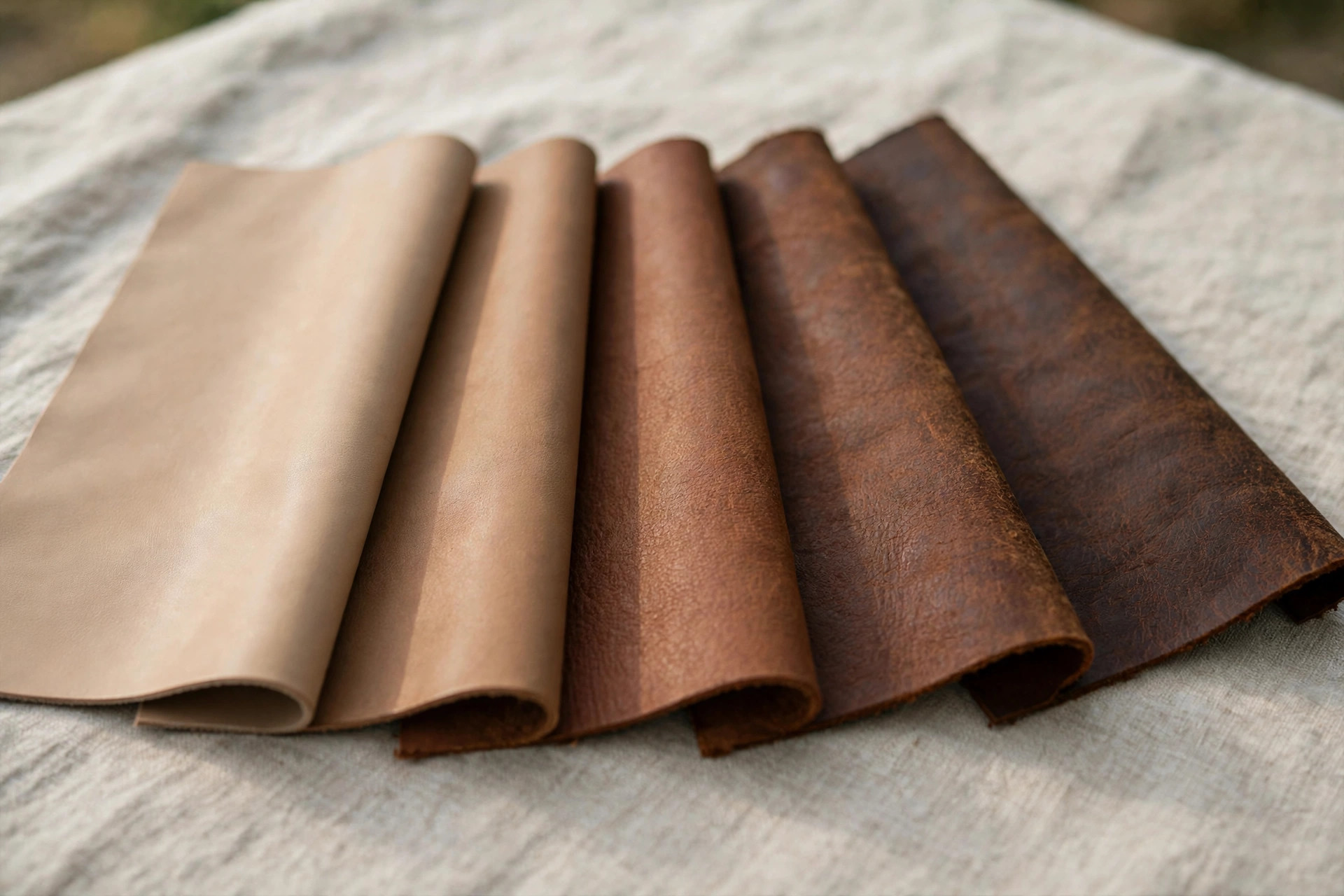 Leather Grades ExplainedFull-grain, top-grain, corrected-grain, split and bonded leather — and why “genuine leather” is actually a low grade, not a mark of quality.
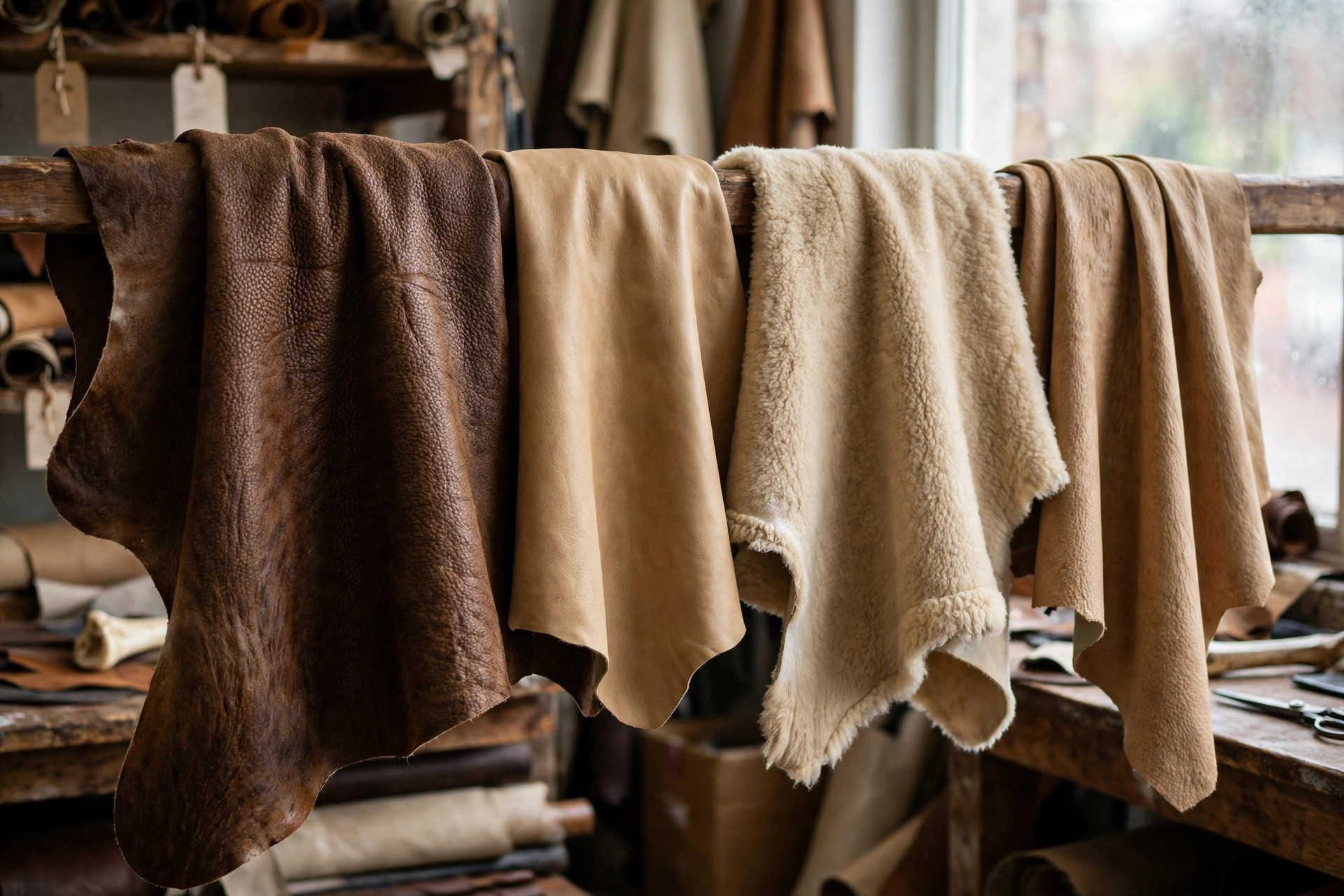 Types of Leather by HideCowhide, calfskin, lambskin, goatskin, suede and nubuck — what each animal's skin brings to jackets, shoes, gloves and bags.
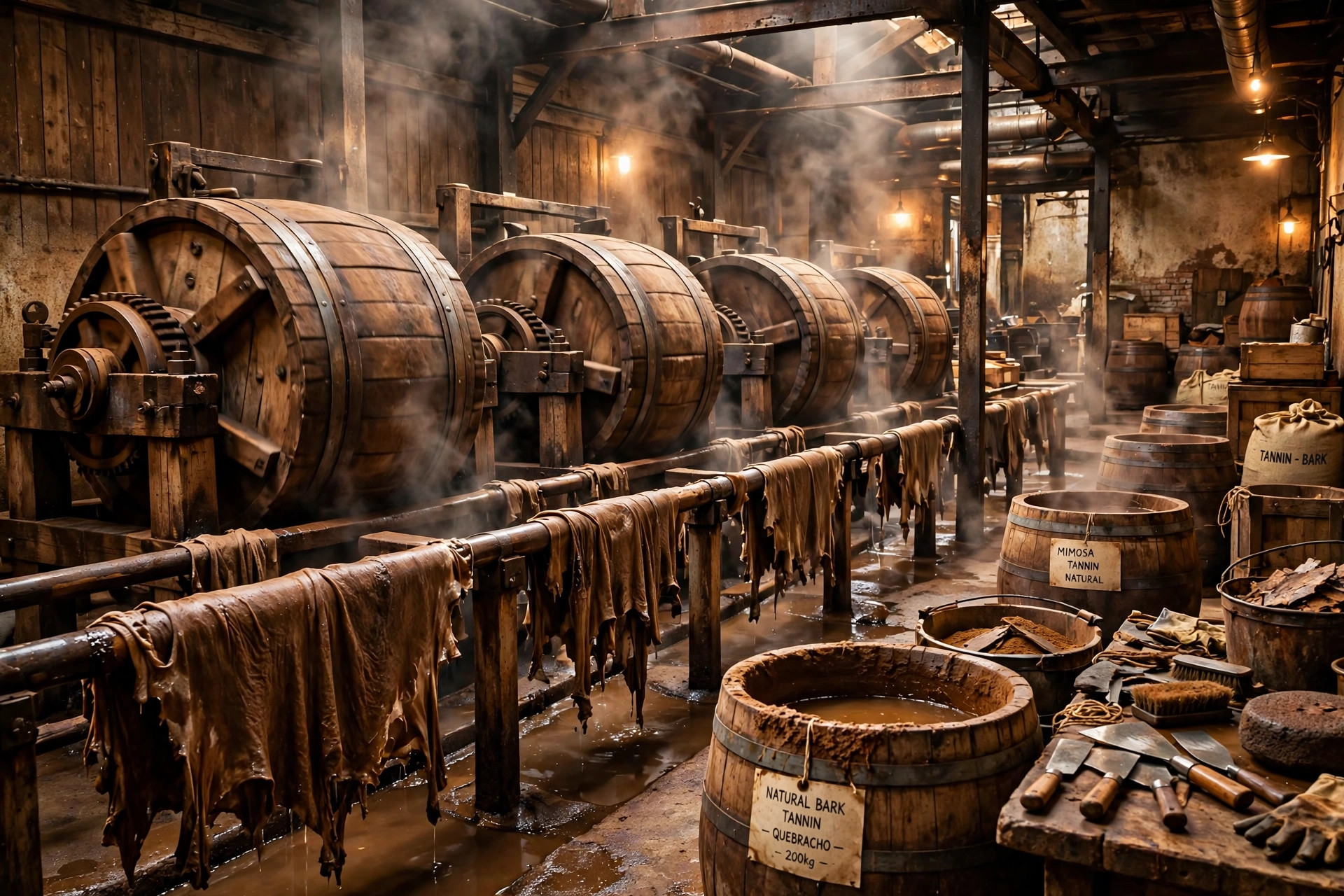 How Leather Is Made: The Tanning ProcessChrome tanning versus vegetable tanning, step by step, plus the aniline, semi-aniline and pigmented finishes that decide how leather looks and ages.
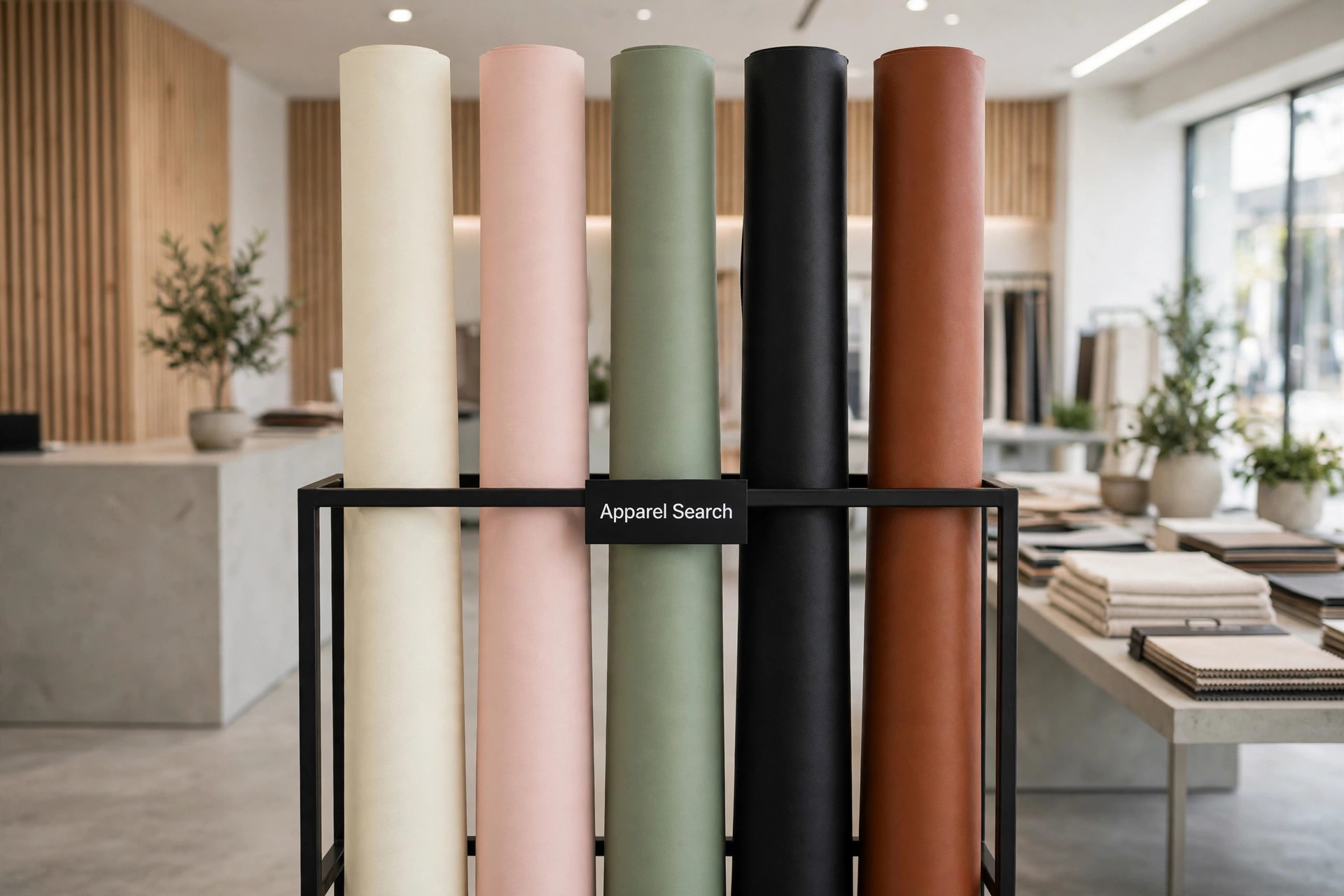 Faux Leather & Leather AlternativesPU and PVC pleather, microfiber leather and the new bio-based materials made from cactus, mushroom and pineapple — how they compare with the real thing.
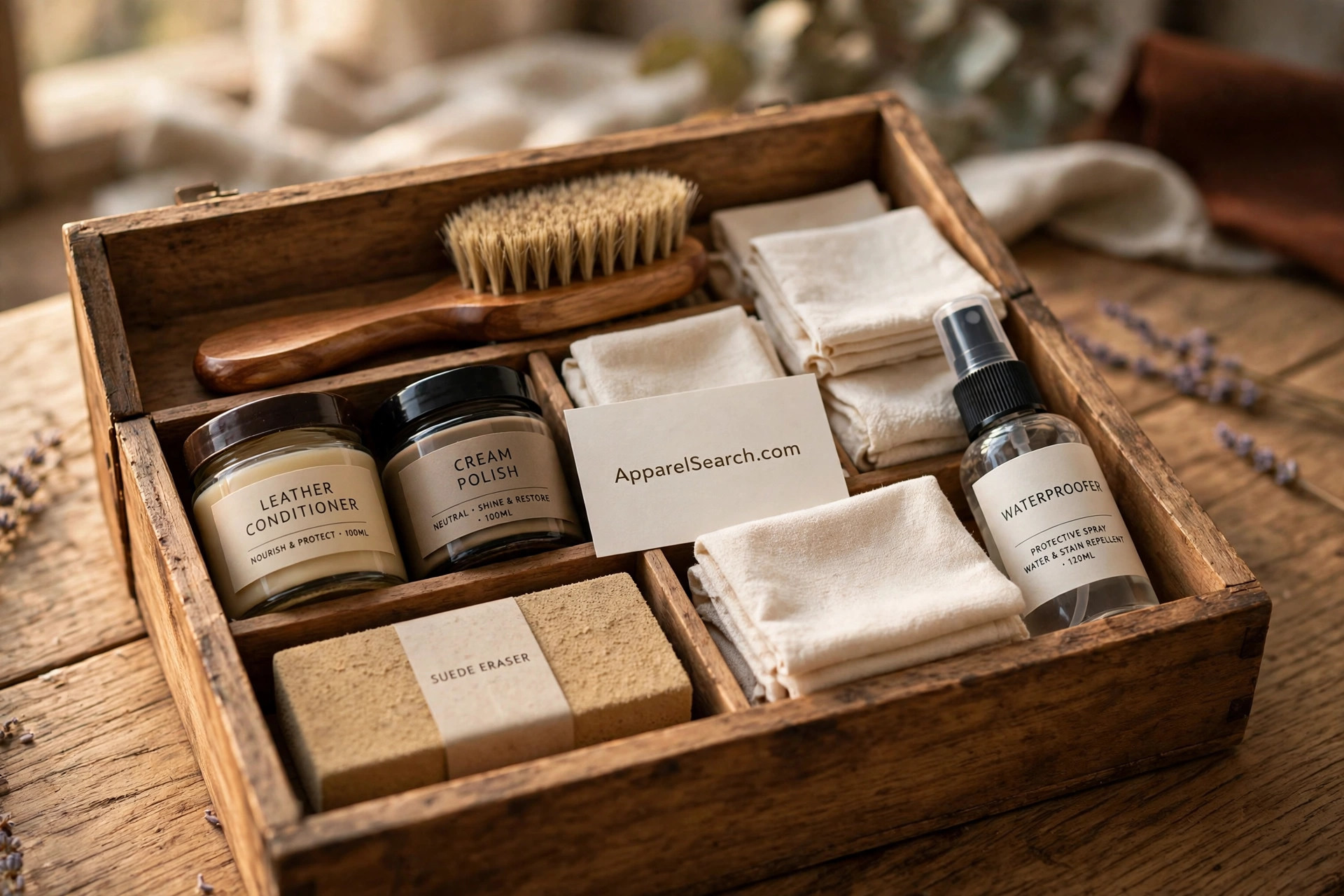 Leather Care GuideConditioning, cleaning suede, rescuing water damage and storing leather properly so good pieces last for decades instead of seasons.
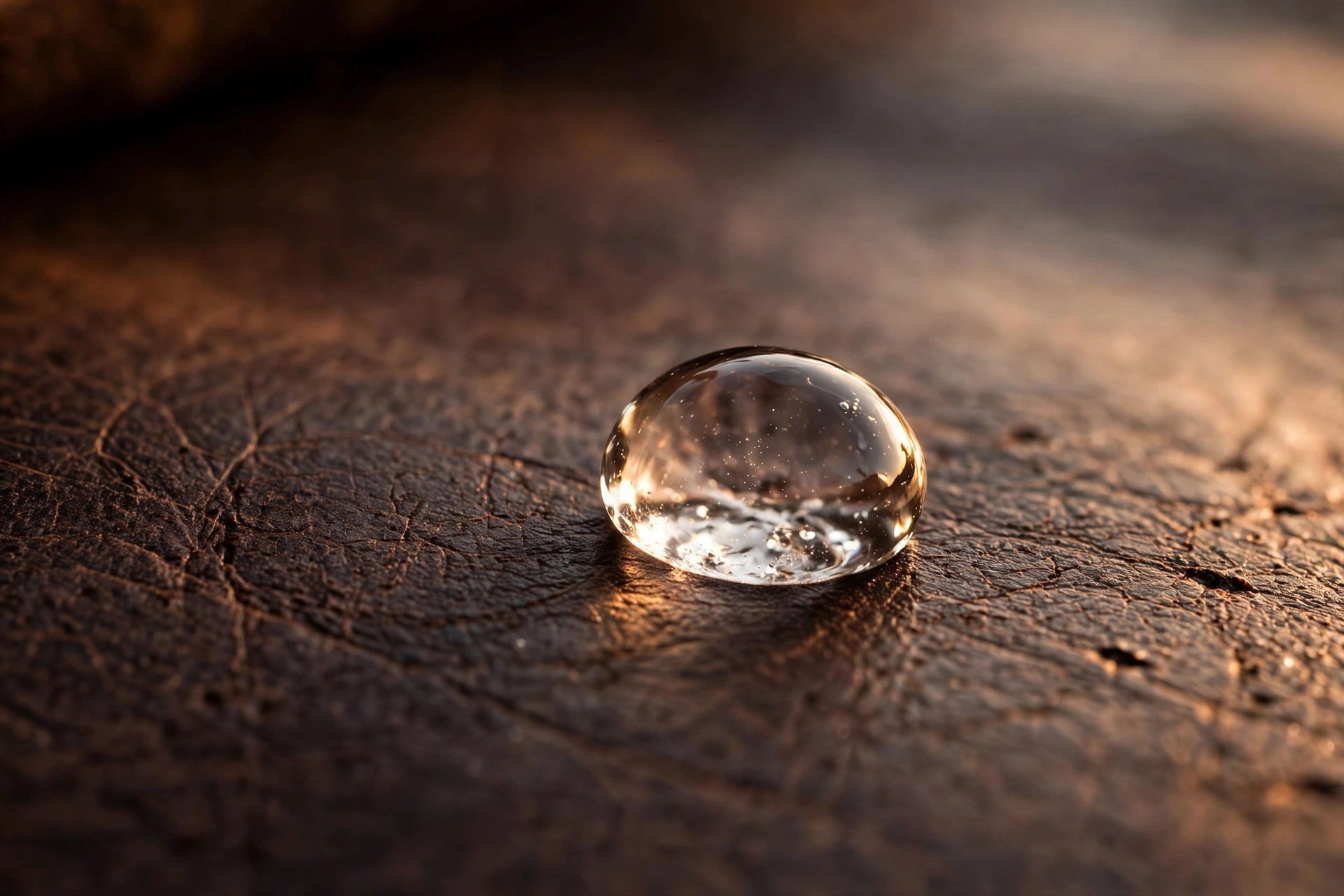 How to Tell Real Leather from FakeThe pore, press, smell, edge and water tests, the label terms that matter, and the FTC rules that govern what sellers may call leather.
Why Leather Quality Varies So Much
A hide is not a uniform sheet of material. The outer surface — the grain layer — is a dense mat of interwoven fibers, and it is the strongest, tightest part of the hide. Deeper down, the fibers loosen into the corium and flesh layers. When a tannery splits a thick hide into layers, only the top layer carries that tight grain. Everything in the grades guide follows from this one fact: the closer a piece of leather sits to the original surface of the hide, the stronger and more valuable it is.
Quality also varies within a single hide. The back and shoulder areas are thick and even; the belly is thinner and stretchier. Skilled cutters place pattern pieces strategically — large, visible panels from the best areas, small or hidden parts from the rest — and that yield question is one reason leather is such a significant cost driver in garment production, a point the Garment Costing Guide takes up in detail. Scars, insect bites and brand marks further reduce the usable area of lower-grade hides, which is why flawless full-grain leather commands its price.
From Hide to Finished Product
The journey from raw hide to a finished jacket passes through the beamhouse (soaking, liming and fleshing), the tan yard, dyeing and fatliquoring, drying, and a long list of finishing operations — staking, milling, embossing, spraying and ironing among them. The tanning guide follows that sequence and explains the two great tanning families, chrome and vegetable, and how the finish applied at the end — aniline, semi-aniline or pigmented — determines whether a leather shows its natural grain or hides it under a uniform coating.
Once finished, leather moves to the manufacturers who cut and sew it. Apparel Search lists the trade side of that world in its leather clothing manufacturers directory and the leather associations page, and related materials such as suede and patent leather have their own definition entries. For shoppers, the product guides — women's leather jackets, leather handbags, men's leather boots and more — apply this material knowledge category by category.
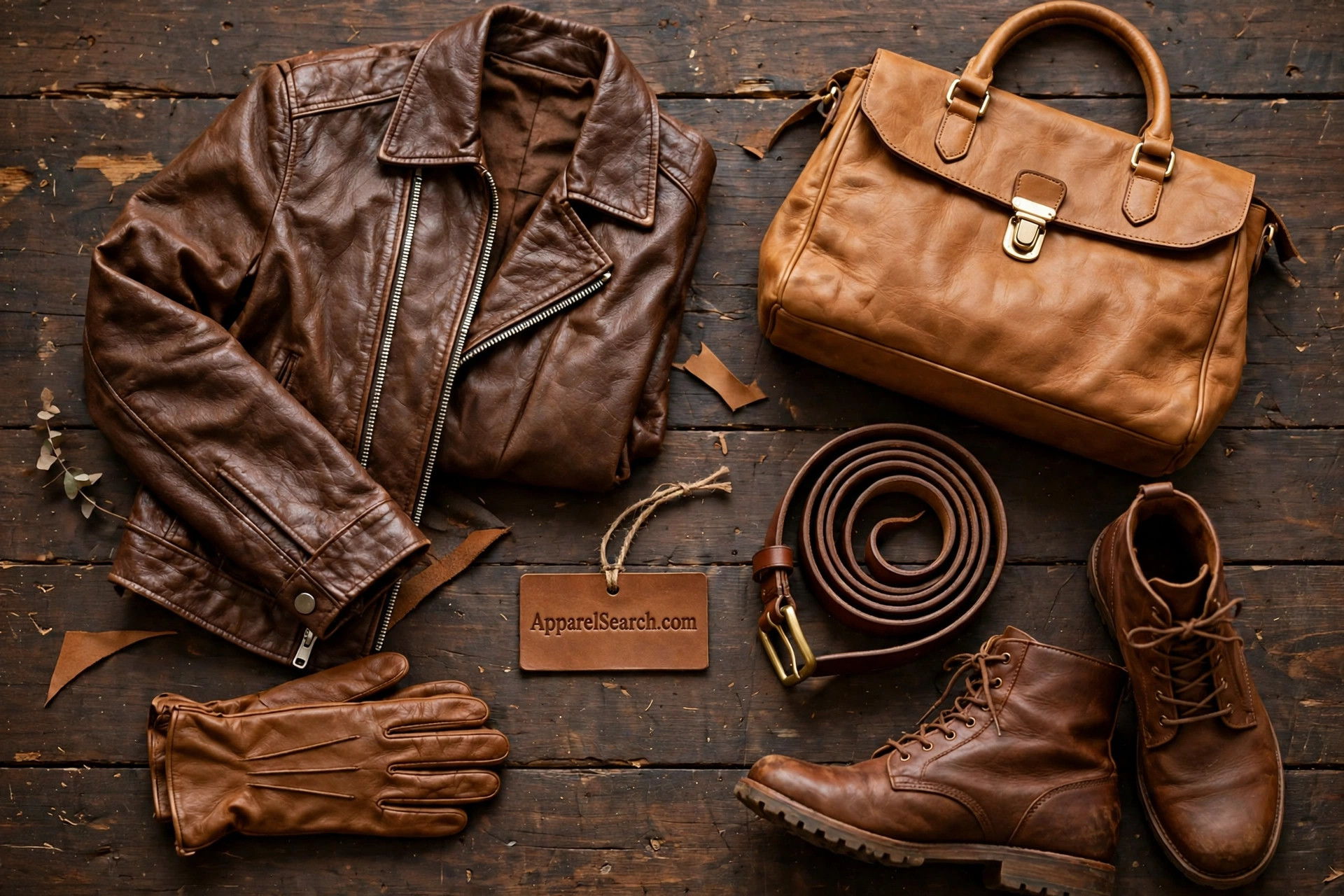
Choosing and Keeping Leather
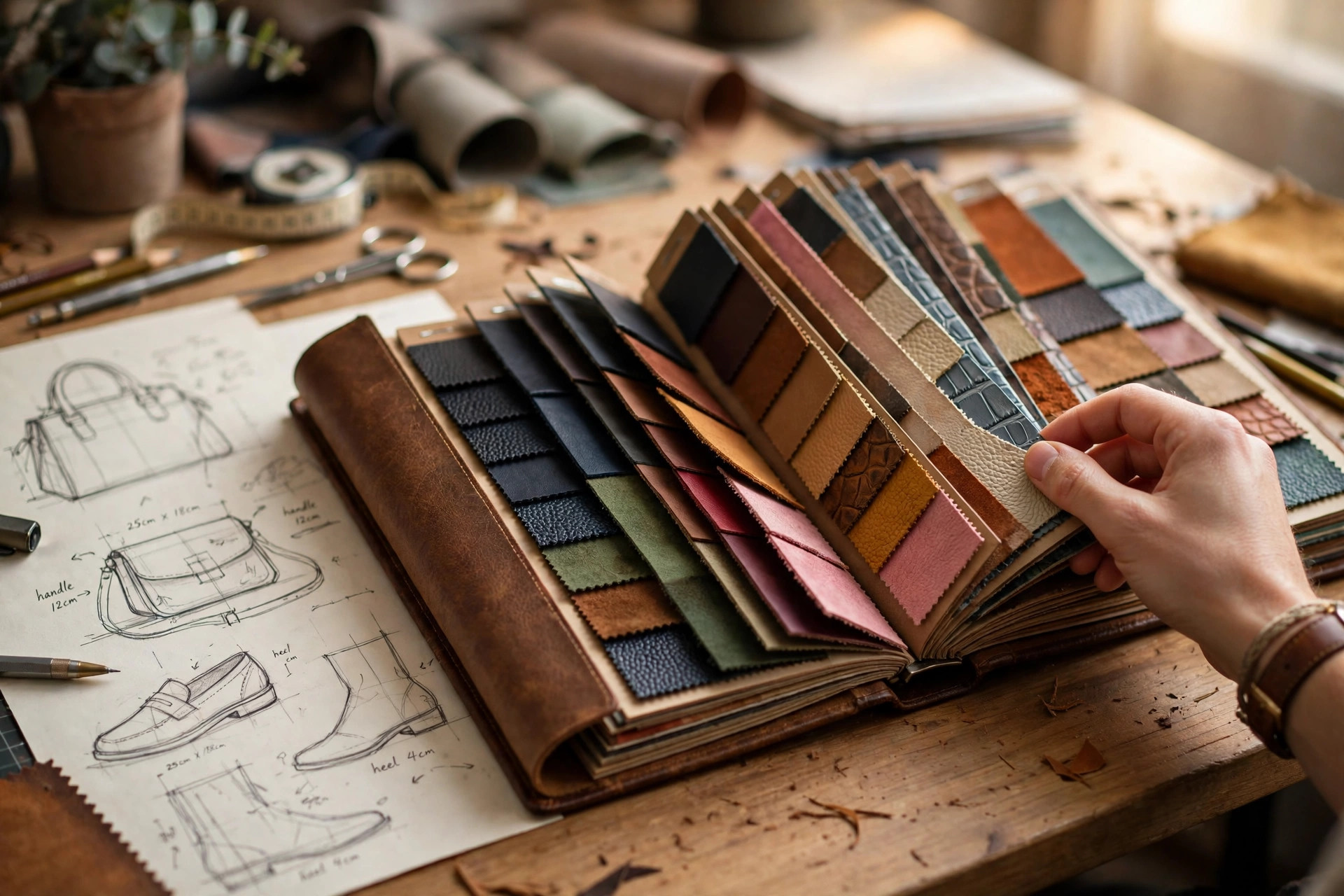
For most buyers, the practical questions come down to three: Is this the grade I think it is? Is real leather worth it here, or would a good alternative serve better? And how do I keep it alive once I own it? The real versus fake guide gives you hands-on tests that work in a store, the alternatives guide compares synthetics honestly — including where they genuinely win — and the care guide lays out the small habits that separate a jacket that ages beautifully from one that cracks in three years.
Related Guides on Apparel Search
Common Questions
What is leather?
Leather is the hide or skin of an animal — most often cattle — that has been preserved by tanning so it will not rot, and then finished for use in clothing, shoes, bags and other goods. Tanning changes the protein structure of the hide, which is what makes leather durable, flexible and long-lasting compared with rawhide.
What is the best grade of leather?
Full-grain leather is the highest grade: it uses the top layer of the hide with its tight, natural grain left intact, so it is the strongest and most durable cut and develops a rich patina. Below it sit top-grain, corrected-grain, split leather and bonded leather, in roughly that order of quality.
Is faux leather as good as real leather?
Faux leather costs less, is consistent in appearance and avoids animal products, and modern microfiber versions perform well. But most synthetics do not breathe like real leather, rarely last as long, and tend to crack or peel rather than develop patina. The better choice depends on budget, use and personal values.
Why does leather cost so much more than other materials?
A hide is a limited byproduct of the meat industry, and turning it into finished leather takes weeks of soaking, tanning, dyeing, drying and finishing, plus skilled cutting because every hide has natural flaws that must be worked around. The best full-grain portion of each hide is also only part of the surface, so usable yield is limited.
Start With the Grade
If you read only one guide in this cluster, make it Leather Grades Explained. Once you understand what full-grain, top-grain and bonded leather actually are, every price tag, product description and sales pitch in the leather business becomes much easier to judge.