Apparel Search Consumer Guides
Garment Care, Repair & Alterations Guide
Washing, stain removal, mending, alterations, fabric care and storage — the practical skills that keep the clothes you own in service for years.
Most clothing does not wear out in a dramatic moment. It fades a little in every hot wash, stretches a little on the wrong hanger, loses a button that never gets replaced, and shrinks a little in a dryer that ran too hot. Garment care is the set of small, unglamorous habits that interrupt that slow decline — and it pays better than almost any shopping skill, because a garment that lasts twice as long costs half as much per wear. This guide gathers the Apparel Search care, repair and alterations pages into one place, from everyday laundry decisions to the moment a garment needs a tailor's hands.
If you want the short version first, our overview of clothing care & repair covers the core habits — sorting, washing, drying, storing and fixing small problems early — on a single page. The guides below go deeper on each part of that routine. And before any of it, learn to read the label sewn into the garment: our care label symbols page decodes every wash, bleach, dry and iron symbol, which is the instruction sheet the manufacturer already gave you.

The Guides in This Section
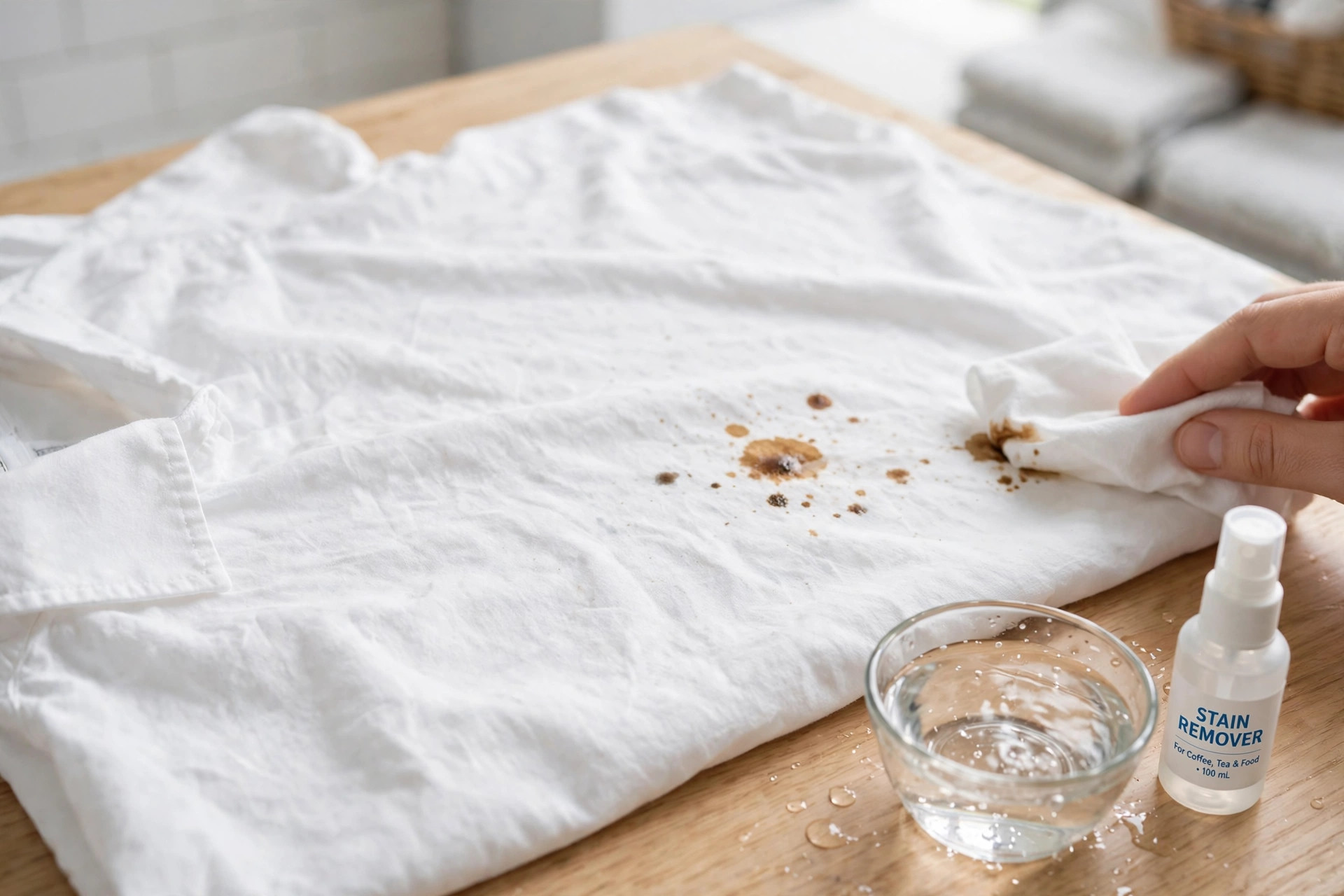 Stain Removal GuideMatch the treatment to the stain and the fabric: protein, grease, tannin and dye stains each need a different approach, and the wrong one can set a stain permanently.
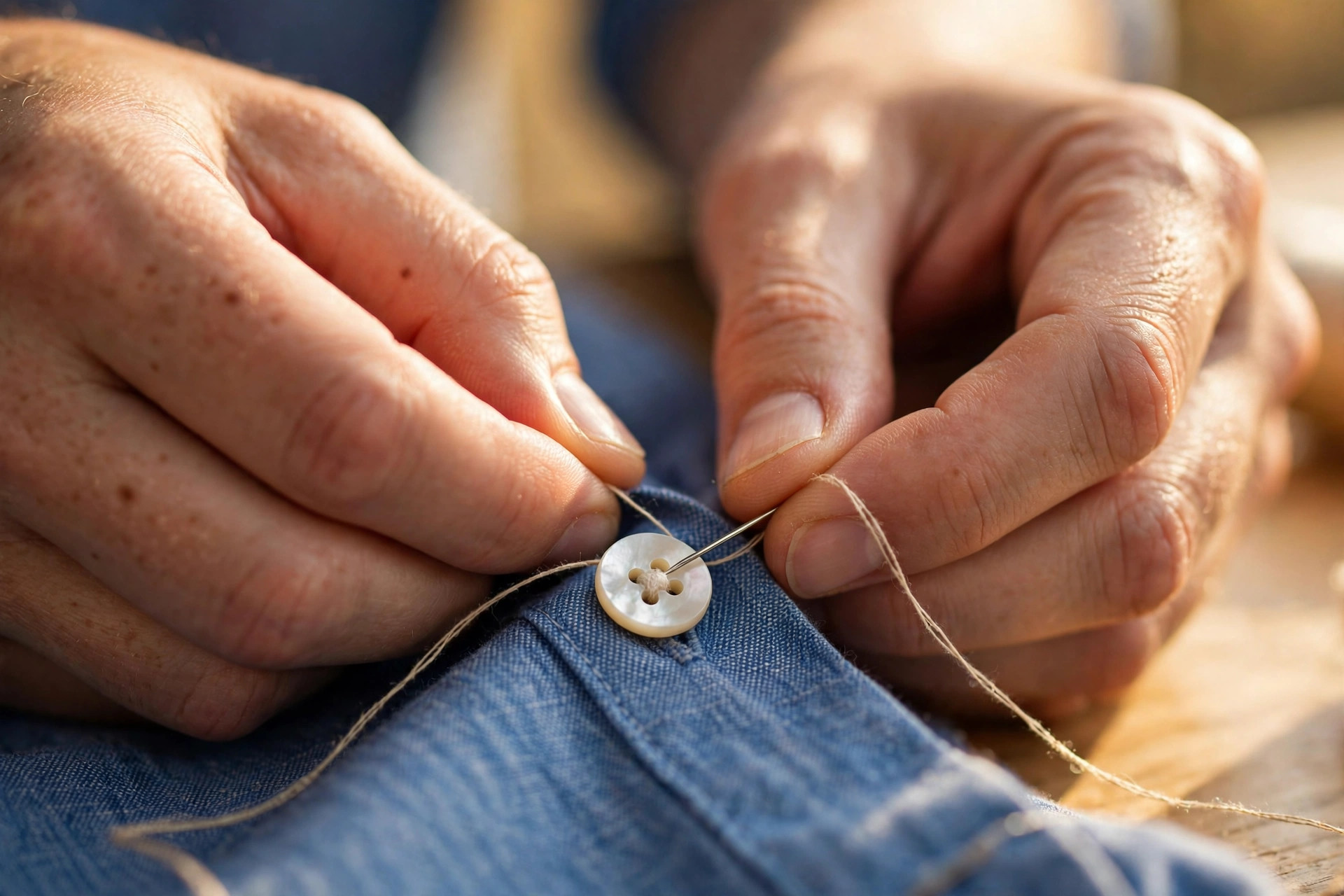 Basic Clothing MendingButtons, seams, patches, darning and zipper fixes — the five repairs that rescue the most garments, with the basic kit and method for each.
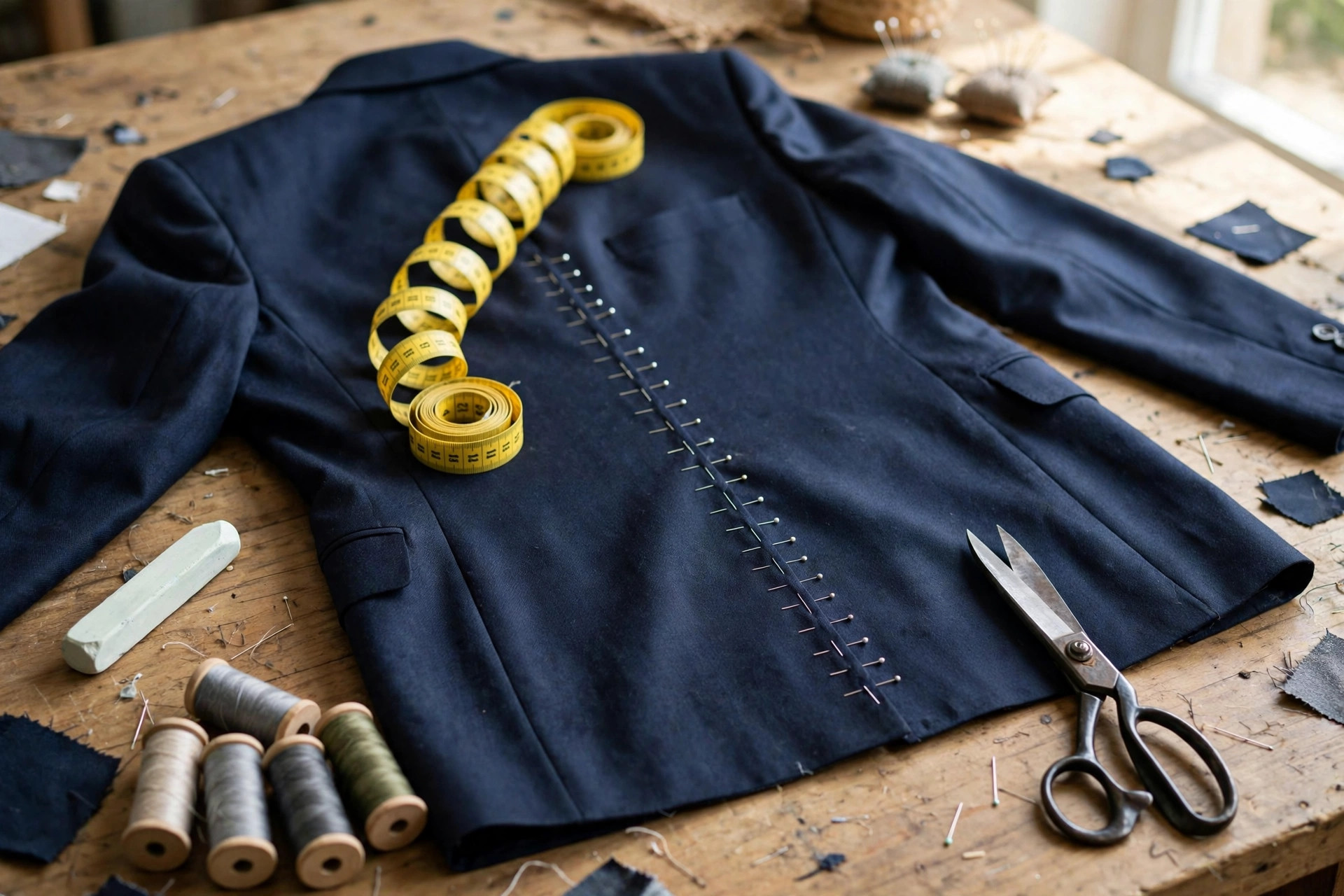 Clothing Alterations GuideWhat a tailor can and cannot change, which alterations are routine, and how to judge fit and value before you hand a garment over.
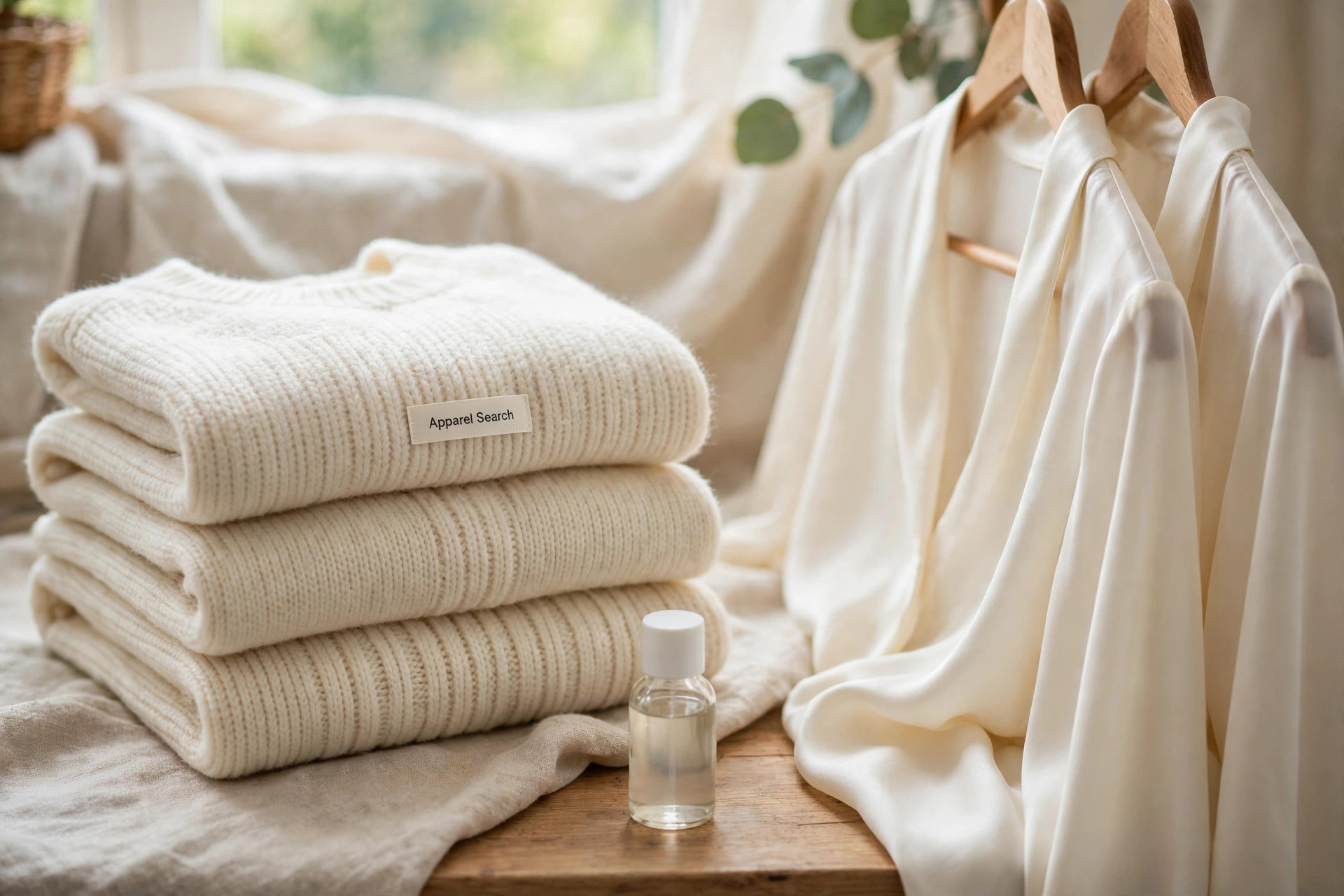 Fabric Care GuidesWool and knits, silk and delicates each have their own washing and drying rules. Learn the fabric families, and follow the deep dives for leather and denim.
 Clothing Storage GuideFolding versus hanging, moth prevention, and off-season storage that brings garments back in the condition you packed them away.
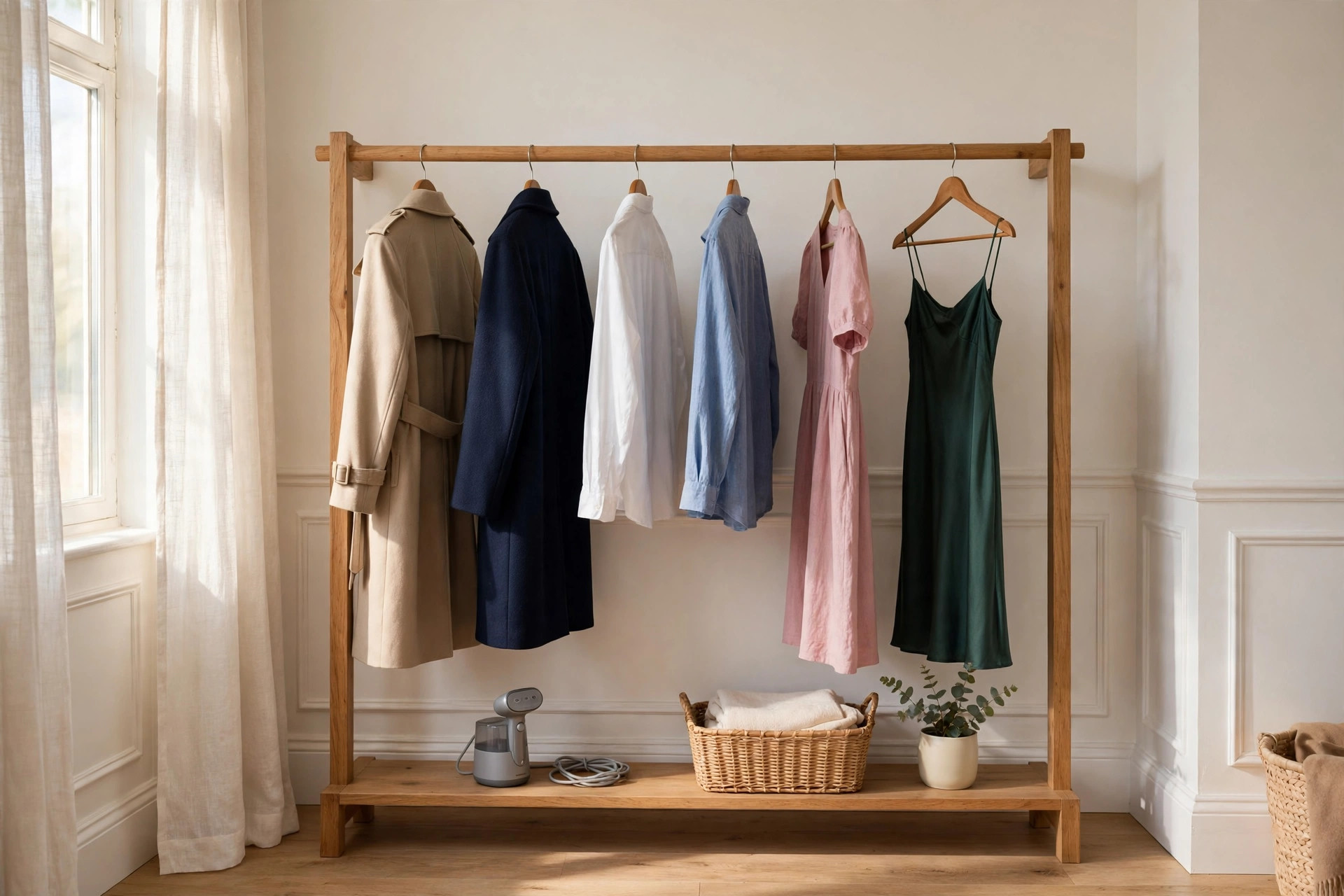 Making Clothes Last LongerPilling, fading, wash frequency and the repair-or-replace decision — the habits that stretch a wardrobe's working life.
Care by Fabric
Fabric is where care advice gets specific, because the right treatment for one fiber is damage to another. The fabric care guides cover wool and knitwear and silk and delicates in depth. Two fabrics deserve their own specialist pages, built with our fabric guides: leather, which is cleaned and conditioned rather than washed, is covered step by step in the leather care guide from our Leather Guide; and denim, where washing choices decide how jeans fade and shrink, is covered in the denim care & shrinkage page of the Denim Fabric Guide. Technical and athletic clothing is a third special case: membranes, water-repellent finishes and stretch fibers all have care rules of their own, explained in our Performance Fabrics Guide.
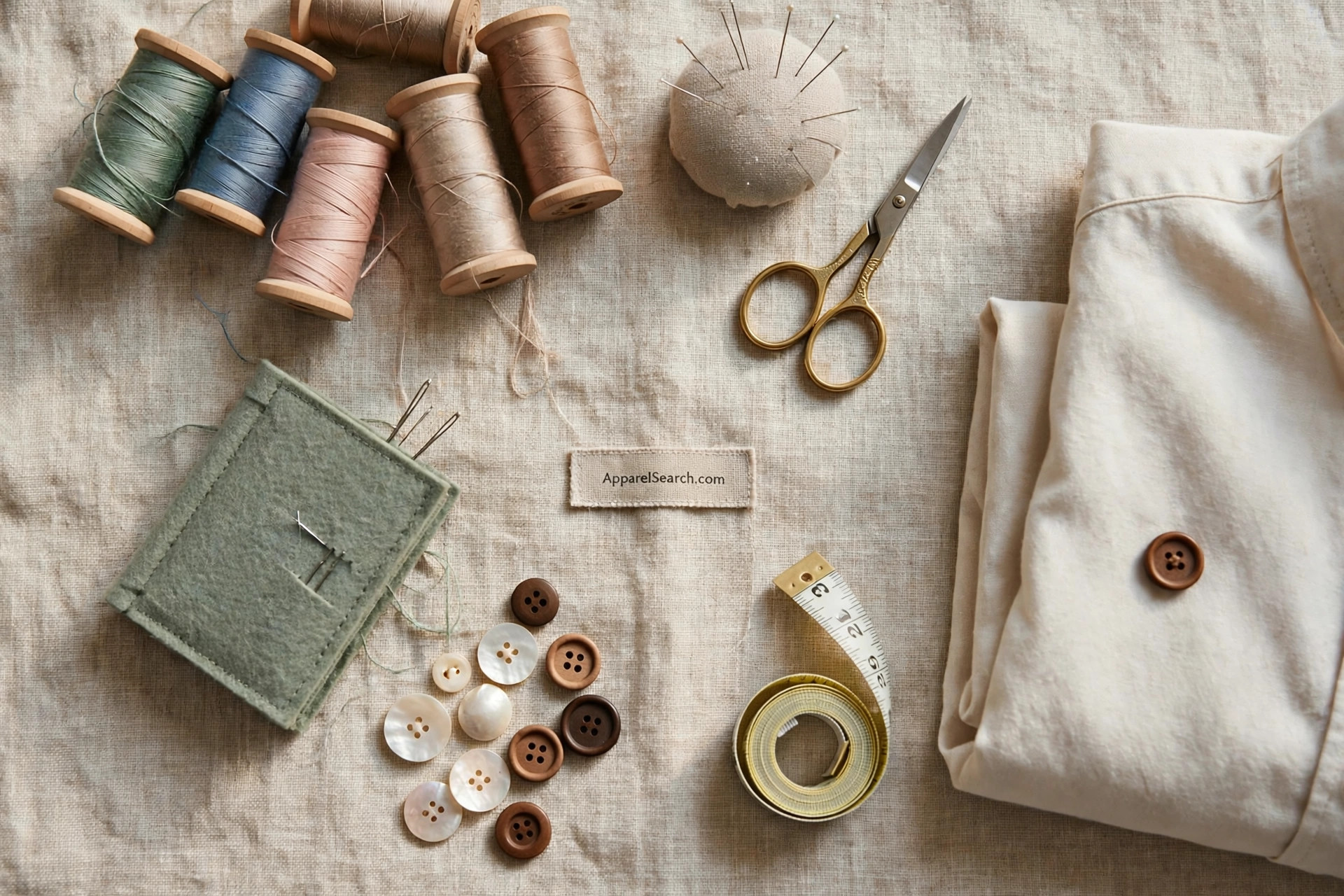
Repair Early, Alter for Fit
The economics of repair are simple: small problems are cheap and big ones are not. A loose button is two minutes of sewing today and a lost button next month; a small seam opening is a short line of stitching now and a torn seam later. The basic clothing mending guide walks through the repairs every wardrobe needs most. When the problem is fit rather than damage — trousers that pool at the shoe, a dress that gaps at the waist — that is alteration territory, and the clothing alterations guide explains what is realistic to ask of a tailor.
Start Where You Are
New to all of this? Read the clothing care & repair overview, check the care label symbols on the garments you wear most, and sew on one loose button. The rest of the habits build from there.
Common Questions
What is the single most useful garment care habit?
Read the care label before the first wash, and wash less aggressively than habit suggests: sort by color and fabric weight, use cold water for most loads, and air-dry knits and elastic garments. Most clothing wear happens in the wash, not on the body.
Should I repair a garment or replace it?
Repair when the garment fits well, the fabric is still sound, and the fix is small — a button, seam, hem or zipper pull. Replace when the fabric itself is worn thin, shiny or faded beyond recovery. Cost per wear almost always favors repairing a garment you already like.
Do I need a tailor, or can I mend clothes myself?
Basic mending — buttons, small seam openings, patches and simple hems — is well within home sewing with a basic kit. Structural changes such as taking in a jacket, altering a waistband or working on lined and tailored garments are tailor work.
How do I know what a care label symbol means?
Care labels use a standard set of symbols for washing, bleaching, drying, ironing and professional care. Our care label symbols page decodes each symbol and the number or dots that set temperature.
The Cheapest Garment Is the One You Already Own
Care is where clothing value is won or lost. A well-kept garment worn for years beats a bargain replaced every season — the math is worked through in our consumer guide to cost comparison and cost per wear. Learn the habits in this section and every future purchase gets cheaper, because it lasts.