Apparel Search Consumer Guides
Eczema-Friendly Clothing
Dressing when the fabric itself is part of the day — how sensitive-skin clothing is chosen, fiber by fiber, seam by seam.
For most people, clothing is chosen by eye. For anyone who dresses skin that reacts easily, clothing is chosen by touch: how smooth the fiber feels, where the seams sit, whether a tag rubs at the neck, what the wash leaves behind. None of that shows in a product photograph, and very little of it is on the label — which is why this guide exists. It gathers the clothing side of dressing with eczema and sensitive skin into one place: the fibers, the construction, the laundry, and a dedicated page for children. It sits alongside our adaptive clothing guide and the sensory-friendly clothing page, which covers the same flat seams and tagless labels from a sensory point of view.
Search Apparel Search
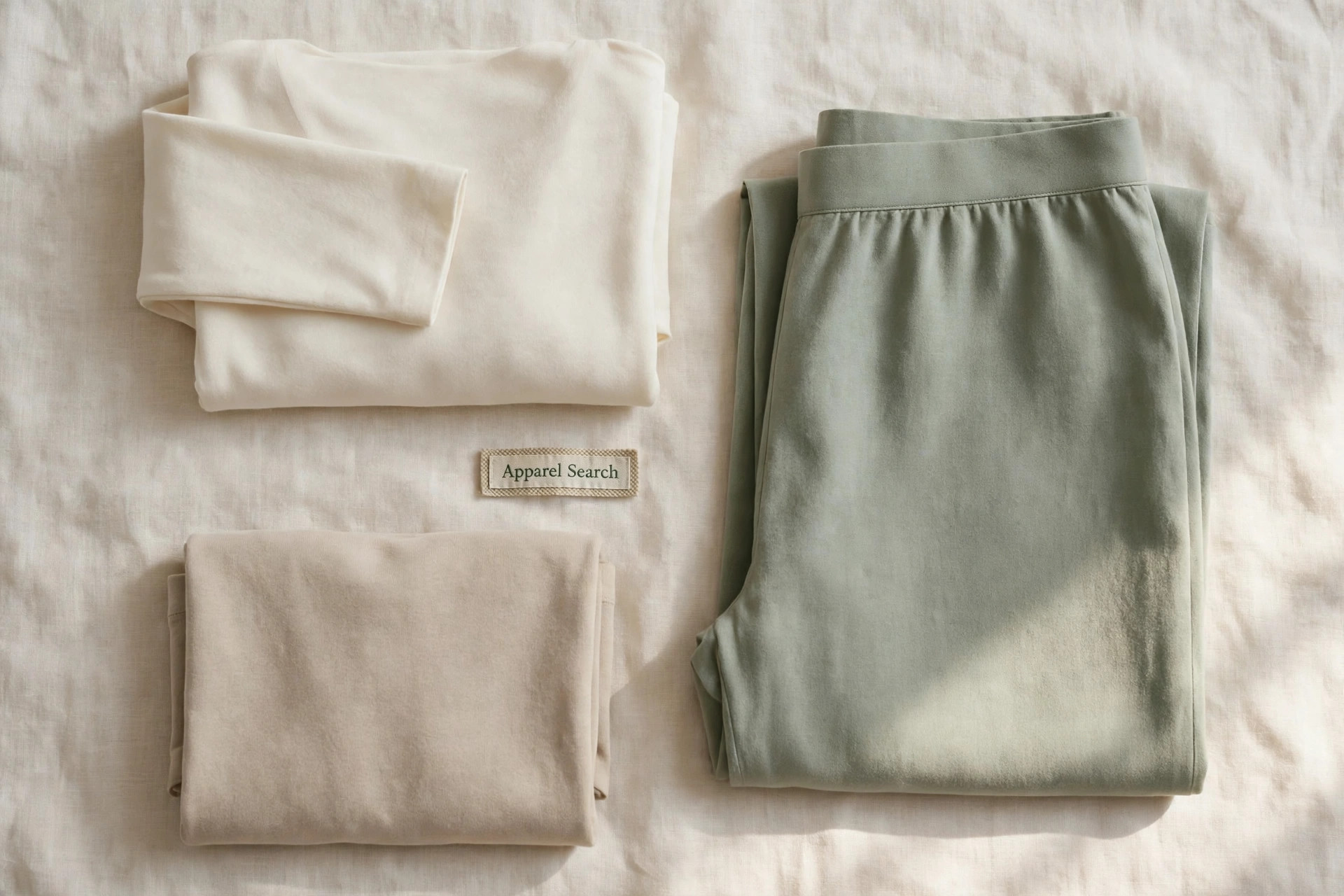
The Guides in This Section
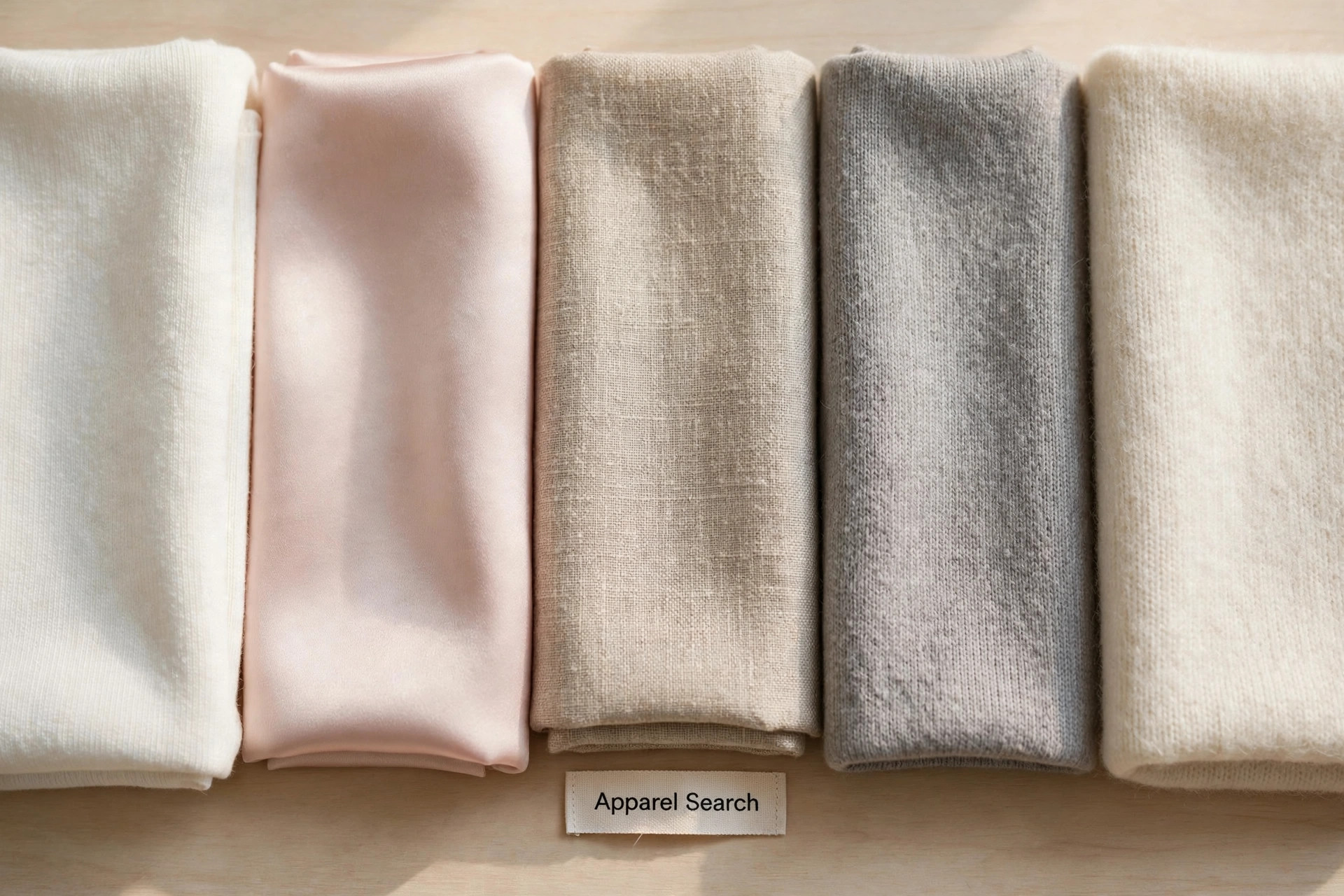 Fabrics for Sensitive SkinCotton, silk, bamboo and lyocell, linen, wool and the synthetics — judged fiber by fiber on smoothness, and what a “hypoallergenic” label does and does not say.
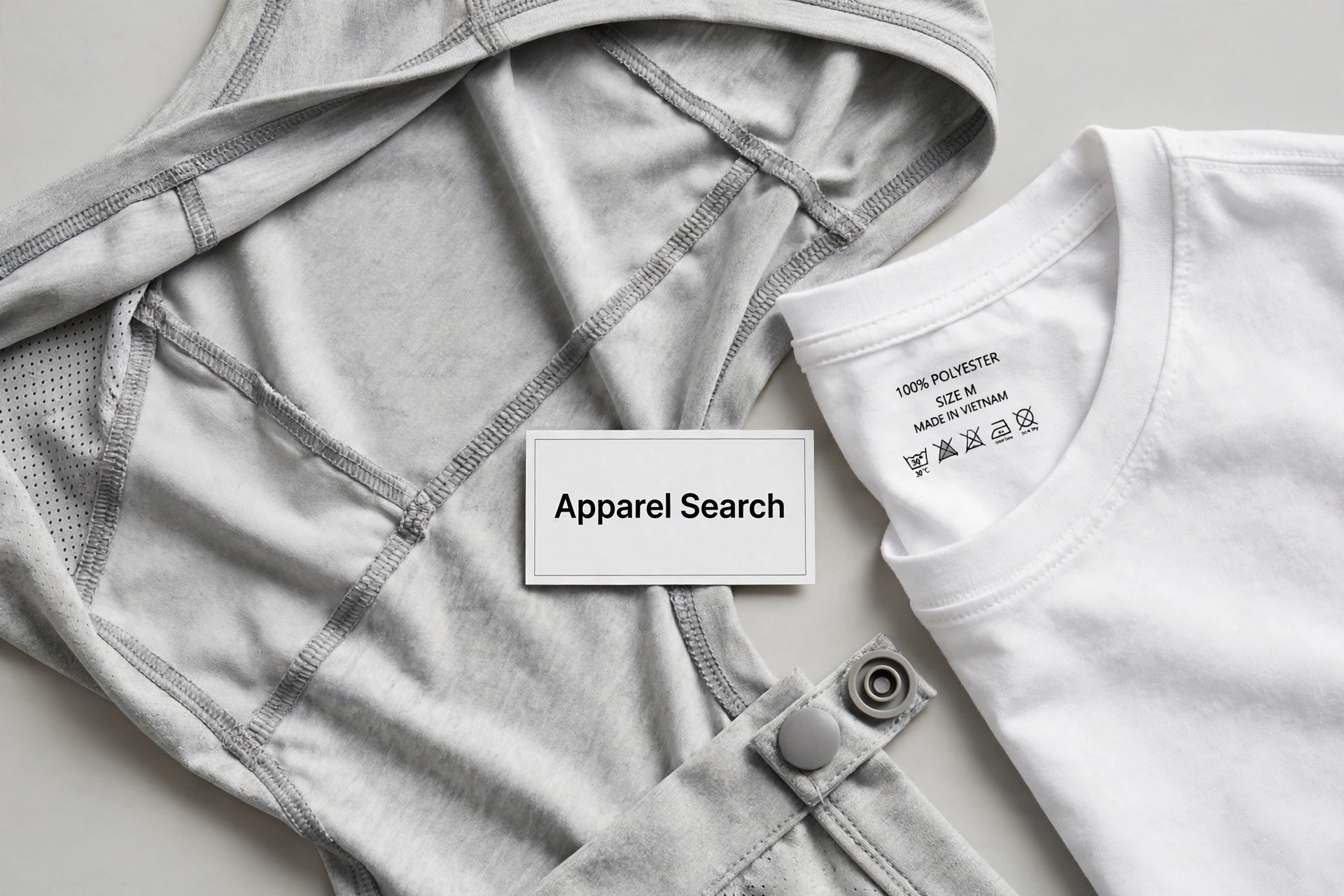 Garment Construction for Sensitive SkinFlatlock seams, printed and tagless labels, fastenings and hardware, dyes and finishes — and a checklist for reading a label before you buy.
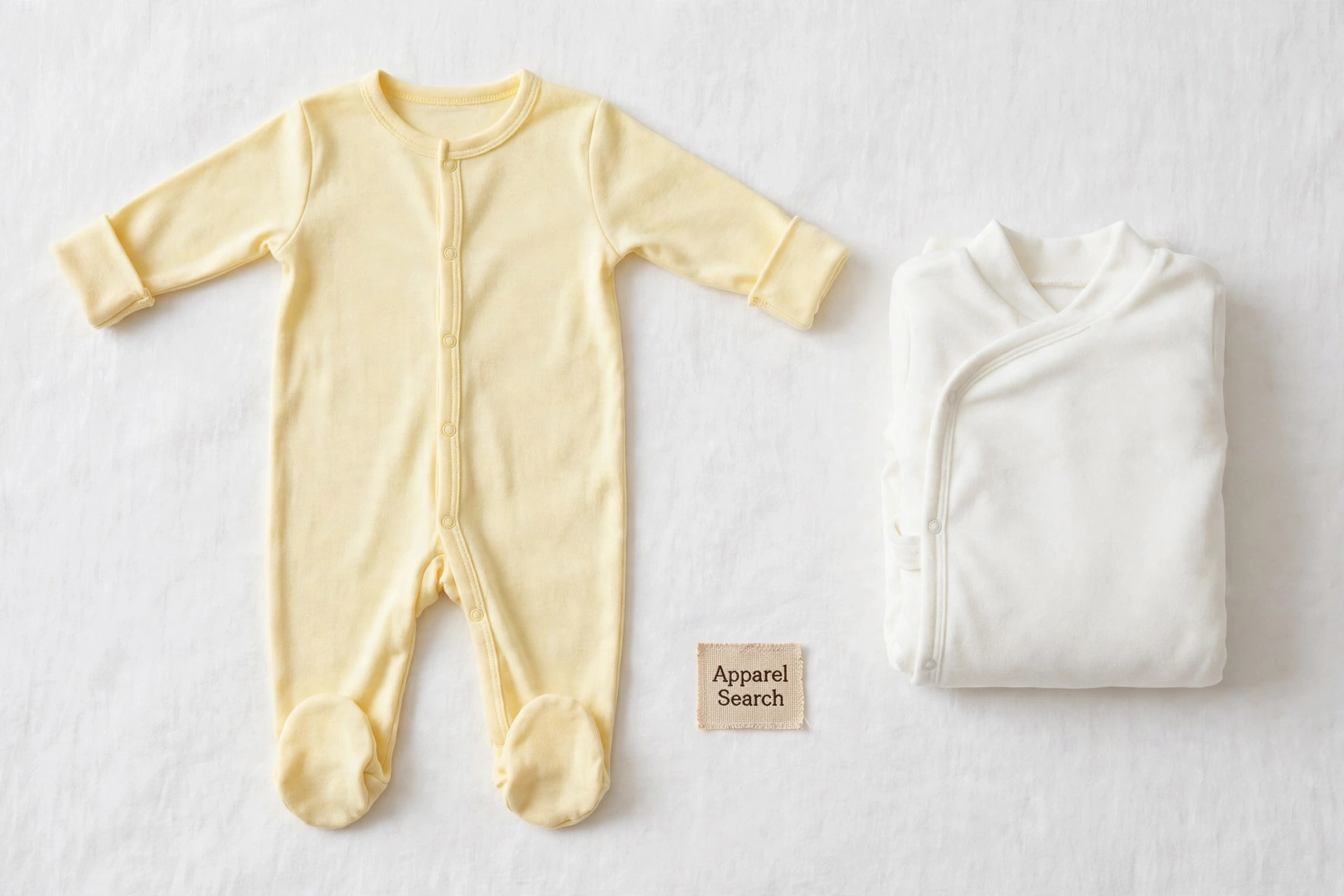 Eczema-Friendly Clothing for KidsPajamas with fold-over mitten cuffs and enclosed feet, school-day basics and laundry habits — the children’s wardrobe, garment by garment.
The Four Things That Matter
The fiber itself. Smooth, soft fibers are the starting point — which is why cotton, silk and the modern regenerated fibers such as lyocell appear in so many sensitive-skin ranges. Fiber choice is a personal trial as much as a category: many wearers find fine merino comfortable, others avoid wool altogether. The fabrics guide takes each fiber honestly, both sides included.
The way it is sewn. A soft fabric can still be let down by a raised seam across the shoulder or a scratchy label at the neck. Flatlock seams, outside seams, covered elastic and printed labels are construction choices, and they are listed — or visible — before you buy. The construction guide shows what to look for.
Dyes and finishes. Color and surface finishes are part of the garment too. Undyed and light-colored clothing is the simplest choice; heavily finished fabrics — wrinkle-free, stain-resistant, anti-odor — carry extra chemistry by design, which makers state on the label when it is a selling point.
What the wash leaves behind. Detergent and softener residue sits in the fabric, against the skin, all day. Measured dosing and an extra rinse are the two habits shoppers in this section rely on; our laundry guide covers both, stage by stage.
A Working Definition
“Eczema-friendly” is not an official category with a certifying body behind it. On this site it means a garment whose design pays attention to the four things above — smooth fiber, flat construction, simple labeling and finishes, and a wash routine that leaves little behind. Judge any product, specialist or mainstream, against those four.
Start With Nightwear and Next-to-Skin Layers
Sleepwear is worn longest, closest and warmest, so it is where most people begin: soft cotton or silk pajamas with flat seams and no sewn-in tag. The women’s cotton pajamas guide and the men’s pajamas guide cover the mainstream category; look for the same four features in any set. Underwear, vests and base layers come next, for the same reason — hours against the skin beat minutes.
Adults First, Then Children
The principles are the same for children, but the wardrobe differs: pajamas with fold-over mitten cuffs and enclosed feet, daycare-proof layers, and a wash routine run by someone else. The children’s page covers that wardrobe on its own, product by product.
A Garment Guide, Not Medical Advice
This page covers clothing: fibers, seams, labels and laundry. It describes what garments are made of and how they are put together — nothing here is a claim about what any garment does for a medical condition. Questions about your skin belong to your own doctor or care team, and their guidance outranks anything in a product description — including the ones described here.
Shop Sensitive-Skin Clothing on Amazon
Ready to shop? Product links are kept in one place on the Apparel Search shopping guide:
Shop Clothing on AmazonThis link opens the Apparel Search shopping guide for Amazon, where the product links are kept in one place.
Common Questions
What makes a garment “eczema-friendly” on the label?
It is a design description, not a certified standard. Garments sold for sensitive skin usually combine several features: a smooth fiber such as cotton, silk or lyocell; seams that lie flat or sit outside the garment; a printed or tagless label instead of a sewn-in tag; and simple dye and finish choices. No single feature makes the garment — the combination is the point, and our fabrics and construction guides take each one in turn.
Which clothes matter most to get right?
The ones worn longest and closest: nightwear, underwear, base layers and the everyday tops and trousers that sit against the skin all day. Occasion clothes worn for two hours matter far less than the pajamas worn for eight. Most shoppers start with sleepwear and next-to-skin layers, then work outward.
Do I need special clothing, or will ordinary clothes do?
Ordinary clothes do, provided they carry the right features. Mainstream ranges sell flat-seam tops, tagless T-shirts and soft cotton nightwear without any special labelling — the features matter, not the category name. Specialist ranges simply gather more of the features in one garment and say so on the label.
What should I check before washing new clothes?
Many shoppers wash new garments before wearing them, to rinse out loose dye and factory finishes. A second rinse cycle is a common habit for clothes worn by sensitive skin, since it leaves less detergent in the fabric. Our laundry guide works through dosing and rinsing in detail.
Please note: Apparel Search is a fashion and clothing guide, not a medical authority. Pages in this section describe clothing features and dressing ideas only. We make no claim that any garment or special product will improve, treat, or help with any medical condition, and descriptions of product features reflect how those products are designed and marketed, not a medical endorsement. Please check with your own doctor or care team about what is right for you.