Apparel Search Consumer Guides
Garment Construction for Sensitive Skin
Seams, labels, fastenings and finishes — the parts of a garment you cannot see in a product photo, checked before you buy.
A soft fabric can still be let down by its construction: a corded seam under the arm, a label that rubs at the neck, a metal snap against the waist. This guide reads a garment the way sensitive-skin shoppers do — inside out — as part of our eczema-friendly clothing guide. Every feature here is visible or stated before purchase; nothing needs to be taken on trust.
Seams: Where a Garment Meets the Skin
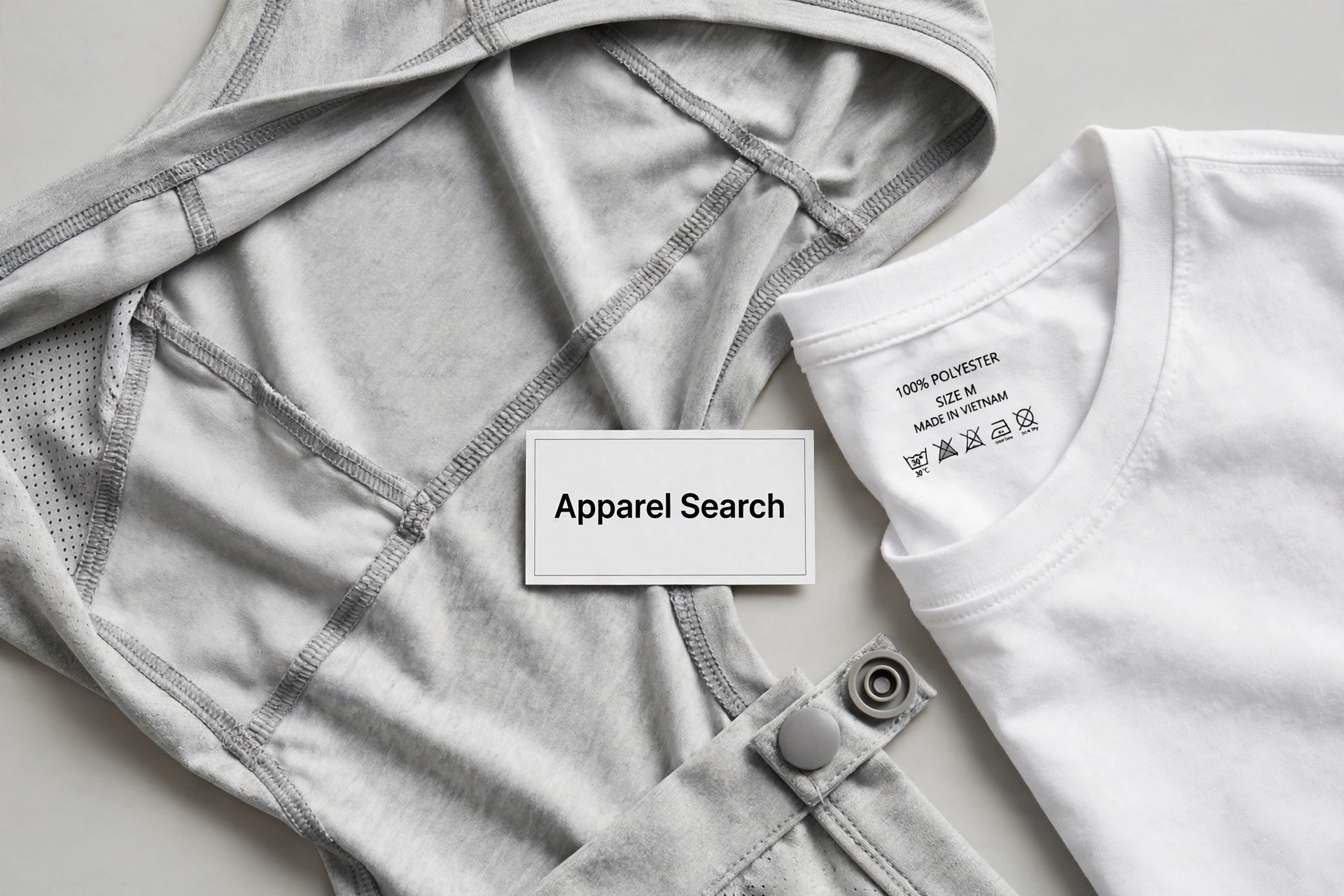
Flatlock seams are the headline feature. Instead of stacking one fabric edge over the other, a flatlock seam butts the edges together and stitches across the join, so the inside of the garment is nearly smooth. It is standard in sportswear and base layers — our stitches and seams guide now includes it alongside the plain, French and flat-felled seams.
Outside and offset seams take the opposite approach: where a seam cannot be flat, some ranges move it — worn on the outside of the garment, or shifted away from the shoulder point and underarm. Covered seams, bound with a soft tape, are the third pattern. All three are described in the adaptive clothing features guide, where the same constructions serve a different wardrobe.
Labels: Sewn-In, Printed and Tagless
The traditional label is a small woven tab sewn into the neck or side seam — and the first thing many shoppers remove, leaving a rough stub if it is cut badly. Two alternatives have become standard. Printed labels put the information directly on the fabric, usually inside the back neck; nothing protrudes. Tagless construction goes further and removes sewn labels throughout. If you do cut a label out, cut the stitching rather than the label, or have the stub covered — the Learn to Sew guide covers the small hand-sewing involved.
Fastenings and Hardware
Metal touches skin at snaps, rivets, jean buttons, belt buckles and zip ends. Nickel is the common alloy in that hardware, so ranges for sensitive skin often state nickel-free hardware on the label, or avoid the question with resin snaps, plastic zips, fabric-covered buttons and elastic or drawstring waists. At home, a layer between hardware and skin — a vest under jeans, a camisole under a buckled belt — is the wardrobe workaround shoppers describe most.
Dyes and Finishes
Color sits in the fabric, so dye choice is a construction choice. The simplest options are undyed natural shades and light colors. Synthetic fabrics are colored with disperse dyes as a matter of manufacturing — a label fact rather than a warning — and our technical fabric finishes guide explains the other surface treatments clothing carries: wrinkle-resistant, stain-resistant, anti-odor and flame-resistant finishes are all stated when they are selling points, and all wash down over a garment’s first wears. Sensitive-skin ranges typically keep this list short and say so.
A Label-Reading Checklist
- Fiber content first. Match it against the fabrics guide — smooth fibers in the majority, and note any fiber you already know you avoid.
- Seam description. Look for flatlock, flat seams, outside seams or covered seams in the product description; if it is silent, expect ordinary overlocked seams.
- Label type. Printed, tagless or sewn-in — stated plainly on most sensitive-skin ranges.
- Hardware. Nickel-free where it is claimed; resin or covered fastenings where it matters to you.
- Finishes. Scan for wrinkle-free, anti-odor and similar treatments, and decide whether you want them.
- Care label. Confirm the garment tolerates the wash routine you actually run — extra rinses included.
Construction is also where the sensory-friendly clothing page overlaps: seams and labels chosen for sensory comfort are the same features listed here, chosen for skin. One wardrobe often serves both.
A Garment Guide, Not Medical Advice
This page covers clothing: fibers, seams, labels and laundry. It describes what garments are made of and how they are put together — nothing here is a claim about what any garment does for a medical condition. Questions about your skin belong to your own doctor or care team, and their guidance outranks anything in a product description — including the ones described here.
Shop Sensitive-Skin Clothing on Amazon
Ready to shop? Product links are kept in one place on the Apparel Search shopping guide:
Shop Clothing on AmazonThis link opens the Apparel Search shopping guide for Amazon, where the product links are kept in one place.
Common Questions
What is a flatlock seam?
A seam sewn so the two fabric edges butt together and the stitching lies flat over the join, leaving almost no ridge on either side. It comes from sportswear, where seams sit under straps and against moving skin all day. Run a thumb across the inside of a seam: a flatlock feels like a line of stitching; an ordinary overlocked seam feels like a raised cord.
Are printed labels as good as tagless construction?
They solve the same problem differently. A printed label puts the size and care information directly on the fabric, so there is nothing to rub or to cut out. Fully tagless garments go further — external labels, smooth neck tapes, nothing sewn in at all. Both are common in children’s and sensitive-skin ranges, and both are stated on the product description when they are a feature.
What does “nickel-free” mean on a garment label?
It is the maker stating that the metal hardware — snaps, rivets, jean buttons, zip pulls — is made without nickel, which is otherwise the standard alloy in clothing hardware. Shoppers who check hardware labels look for that wording, or choose plastic and resin fastenings, covered buttons, and drawstring or elastic waists that skip metal altogether.
Should new clothes be washed before wearing?
Many shoppers in this section do, as a habit: a first wash rinses away loose surface dye and the finishes applied for transport and display. It also softens new fabric. Our laundry guide covers the gentle version — measured detergent, an extra rinse — in full.
Back to the Eczema-Friendly Clothing Guide
Fibers, seams, labels and laundry — the full sensitive-skin clothing section.
Search Apparel Search
Please note: Apparel Search is a fashion and clothing guide, not a medical authority. Pages in this section describe clothing features and dressing ideas only. We make no claim that any garment or special product will improve, treat, or help with any medical condition, and descriptions of product features reflect how those products are designed and marketed, not a medical endorsement. Please check with your own doctor or care team about what is right for you.