Apparel Search Sewing Guides
Learn to Sew: The Beginner Guide
Sewing is the skill underneath every garment on this site: the joining of fabric pieces with thread so they become clothing. It lets you do three things that are hard to buy off a rack — make clothes that are truly yours, mend the clothes you already own so they last, and alter clothes so they fit the body you actually have. This guide is the on-ramp: written for absolute beginners, honest about what is easy, what is not, and what to buy (and not buy) before your first project.
Search Apparel Search
The Guides in This Section
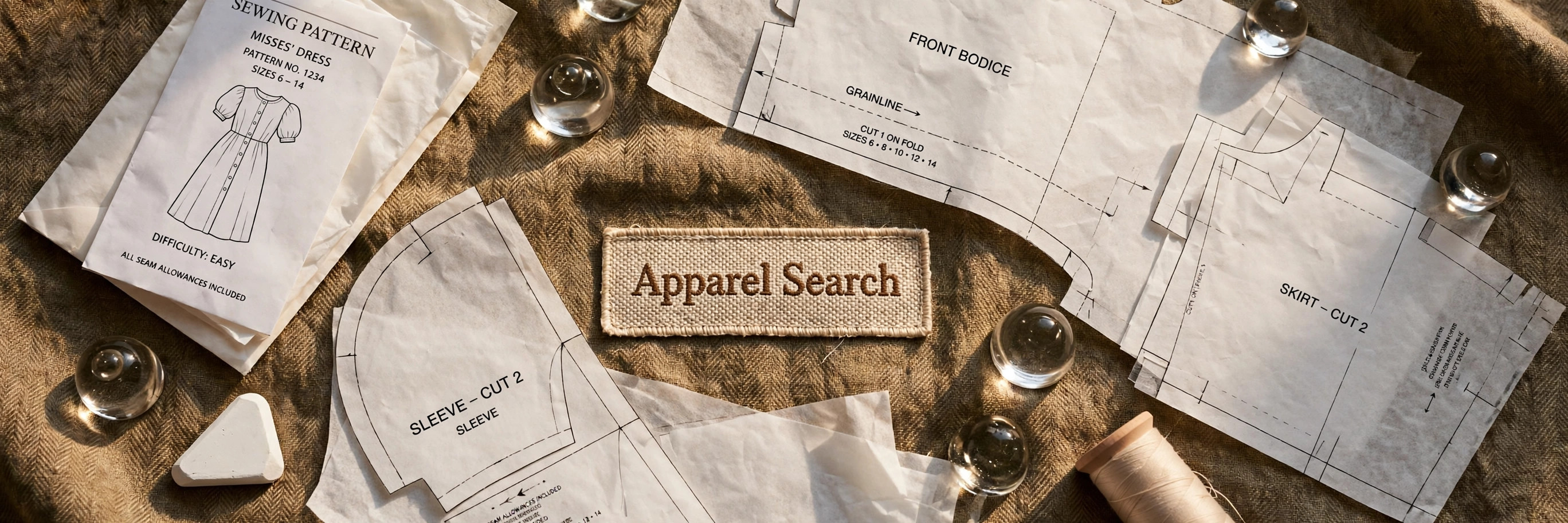 How to Read a Sewing PatternThe envelope, the tissue and the instruction sheet decoded — views, sizing, yardage, grainlines, notches and seam allowances.
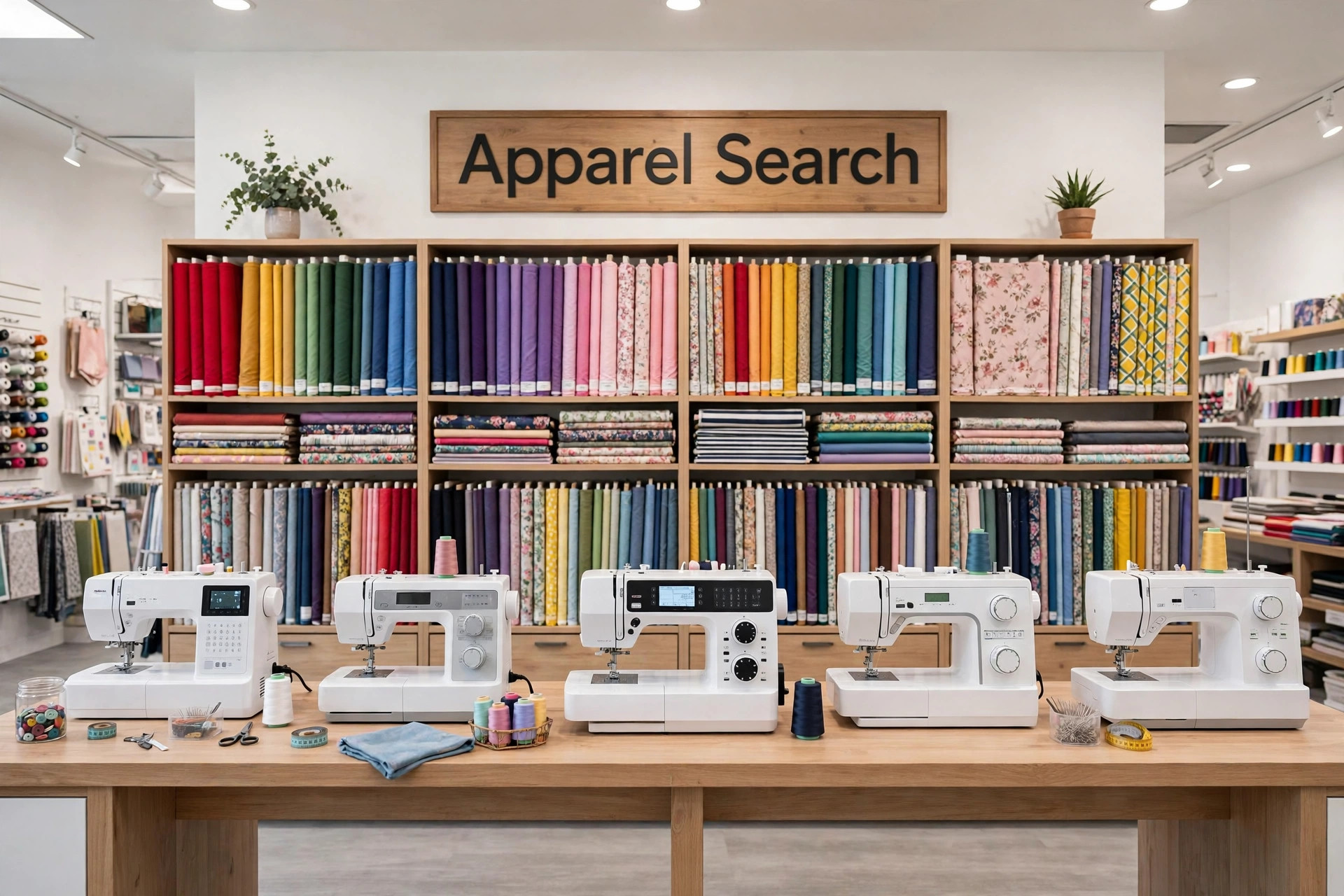 How to Choose a Sewing MachineMechanical vs computerized, the features that matter for clothes, what to skip, and new vs used.
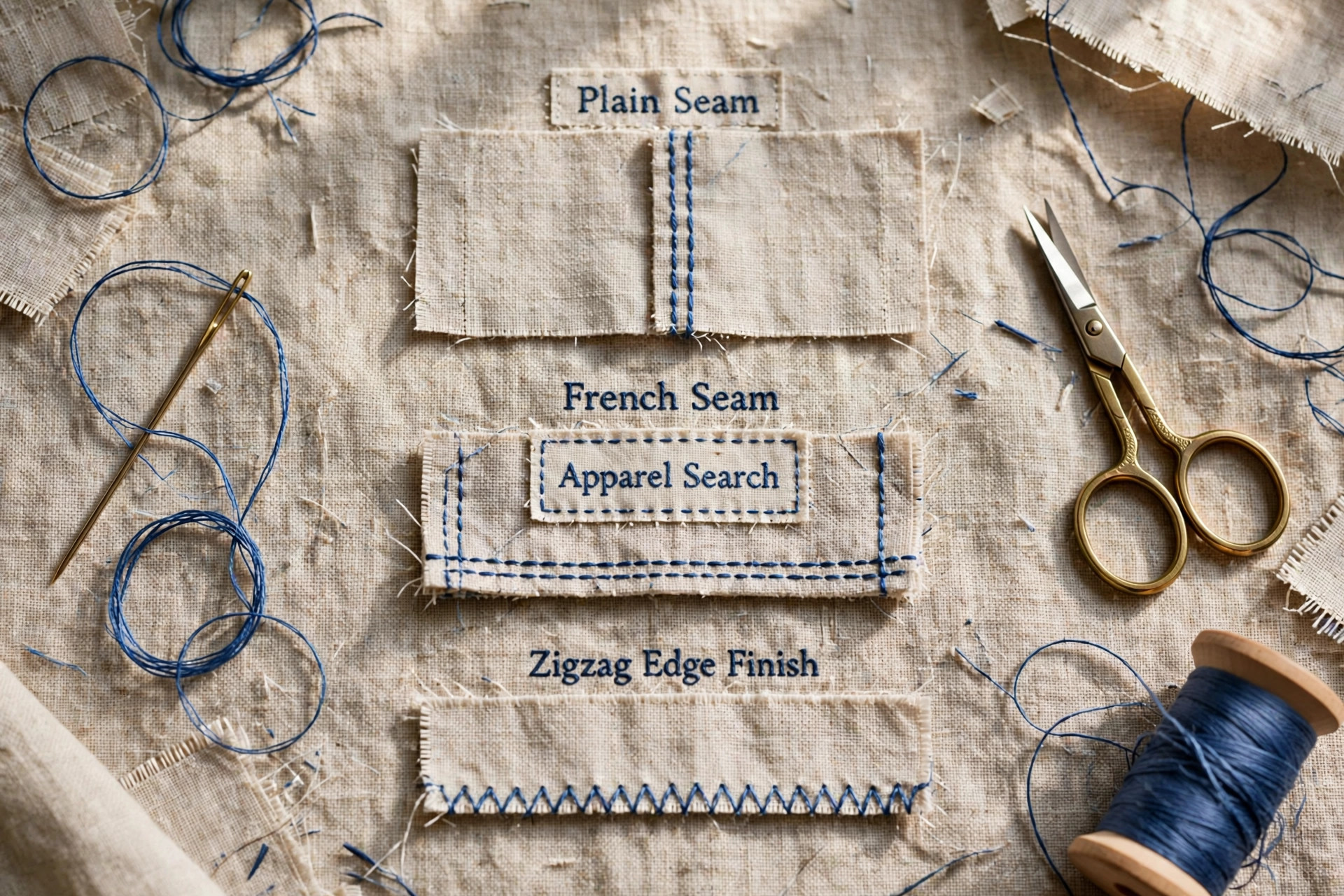 Sewing Basics: Stitches & SeamsThe core hand and machine stitches, the seam types you will actually use, and seam allowances in practice.
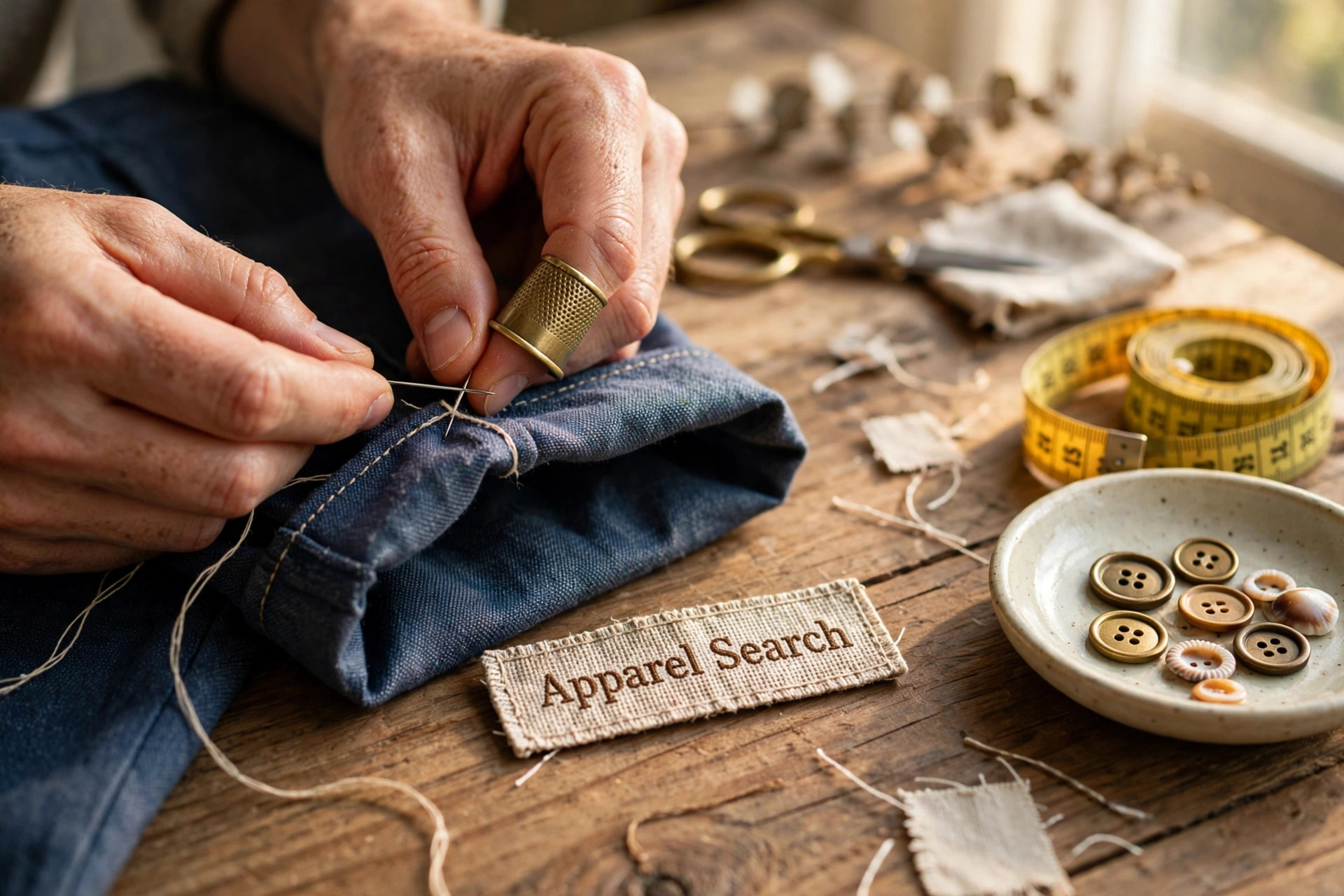 Hemming & Basic Hand SewingHem trousers, sew on buttons and mend split seams — the repairs that start most people's sewing.
Two Ways In: Hand Sewing or Machine Sewing
Hand sewing needs almost nothing: needles, thread, scissors and a thimble if you like one. It is slow for long seams but precise, portable and quiet, and it remains the right tool for buttons, invisible hems and many repairs. If your goal is keeping clothes in service — hemming, mending, replacing buttons — hand sewing alone may be all you ever need, and our hemming and hand sewing guide teaches exactly those jobs.
Machine sewing trades setup for speed: once the machine is threaded, it sews in minutes what takes an afternoon by hand, with stronger, more even stitches. If your goal is making garments, a machine is close to essential. You do not need a fancy one — the machine guide explains the handful of features garment sewing actually uses.
Most sewers end up using both: the machine for construction seams, the needle for finishing touches. Start with whichever matches your first goal.
The Honest Starter Kit
Starter-kit lists tend to sell you a sewing room. Here is what a first project genuinely requires — everything else can wait until a project asks for it:
- Fabric shears — real dressmaking shears, used on fabric only. Dull household scissors are the single most common cause of ragged, frustrating cutting.
- Pins or clips — to hold layers together before and during sewing.
- A seam ripper — you will unpick stitches. Everyone does. It is a tool, not an admission of failure.
- Hand needles and machine needles — a mixed pack of hand needles; fresh machine needles in the right type for your fabric.
- All-purpose polyester thread — in a color slightly darker than your fabric if no exact match exists.
- A tape measure and tailor's chalk (or a washable marker) — for measuring bodies, fabric and hem depths.
- An iron — pressing is half of sewing. Seams that are pressed look made; seams that are not look homemade in the wrong way.
Choose fabric kindly for a first project: a medium-weight woven cotton that does not stretch, slip or fray much. Save silk, chiffon, velvet and jersey for later — the Fabric Guide explains how fabrics behave when you are ready to explore them.
One audience reads fabric choices more closely than most: shoppers choosing for sensitive skin, for whom fiber smoothness is the first specification. Our fabrics for sensitive skin guide judges cotton, silk, lyocell, linen, wool and the synthetics by hand-feel — useful practice for reading any fabric, whatever you plan to sew.
The First-Project Ladder
Practice scraps
Sew straight lines, corners and curves on scrap fabric until the machine (or your hand) goes where you aim it. An hour here saves every later project.
A flat project
A tote bag, pillow cover or drawstring bag: straight seams, square corners, no fit, no closures. This is the correct first finished thing.
A first garment
Elastic-waist pajama shorts or a simple skirt. You will cut from a pattern, sew longer seams, add a casing and hem — most of garment sewing in one gentle project. Our pattern guide makes the envelope and tissue make sense.
Stitches, seams and finishes
Learn the working seam types and edge finishes in our stitches and seams guide, and your projects start looking finished inside as well as out.
Fitted garments
Tops and dresses with darts, set-in sleeves and zippers — genuinely achievable, and genuinely easier after the rungs below are comfortable.
A first project that is not a project: mending. Before the ladder's first rung, the clothes you already own offer free practice with a purpose — a patched knee teaches the running stitch, a darned heel teaches patience, and the garment goes back into service instead of a donation bag. Our visible mending guide teaches repair as decoration, and it is the friendliest possible first finish: the garment was already worn, so nothing can be ruined.
What to postpone, honestly: tailored jackets, slippery or stretchy fabrics, invisible zippers and anything you need to wear to an event next week. None of it is beyond you — it is just a poor second project. Sewing rewards sequence: each project teaches the skill the next one assumes.
Common Questions
Do I need a sewing machine to learn to sew?
No. Hand sewing came first for thousands of years, and it still handles buttons, hems, mending and small projects perfectly well. A machine makes long seams and whole garments much faster, but plenty of beginners start with a needle, thread and a pair of scissors while they decide whether sewing is for them.
What is the easiest first sewing project?
Something flat, straight and forgiving: a tote bag, a pillow cover or a simple drawstring bag in plain cotton. These teach cutting, pinning, straight seams and pressing without any fitting, curves or closures. An elastic-waist skirt or pajama shorts make a good first garment after that.
How much does it cost to start sewing?
Less than most starter-kit lists suggest. A serviceable set of basics — shears, pins, a seam ripper, needles, thread, a tape measure and chalk — can be gathered inexpensively, and fabric for a first project need not cost much. A sewing machine is the one larger purchase, and a good used machine often beats a cheap new one.
How long does it take to learn to sew?
You can sew a usable tote bag in your first afternoon. Basic competence — straight seams, simple hems, reading a simple pattern — typically comes within a handful of small projects spread over a few weeks. Fitting garments well takes longer, and even experienced sewers keep learning; that is part of the appeal.
Where to Go Next: Pattern Making
Once you can sew a seam and follow a simple pattern, the natural next step is understanding how patterns themselves are created and fitted — drafting, draping, darts and muslins. The Pattern Making, Draping & Fitting guide picks up exactly where this section stops.
More in the Sewing Section
More to Explore
- Fabrics for Sensitive Skin — the fiber families judged by smoothness, for choosing cloth with a wearer in mind.
- Stitch & Seams Guide — the terminology companion to our technique guide: stitch classes and seam types defined.
- Pattern-Making Glossary — the pattern-room vocabulary, from armscye to yoke.
- Patterns for Home Sewing — resources for home sewers working with commercial patterns.
- Sashiko Mending for Beginners — the Japanese running-stitch tradition: reinforcement stitching that became an art, with a first jeans-patching project.
- Making School Uniforms Last — the repair-and-rotation routine for the hardest-worn wardrobe in the house, and a first home for the mending skills in this section.