Pattern Making & Fitting · Guide
Pattern Making, Draping & Fitting
How a garment begins as flat shapes on paper — drafted from measurements or draped in cloth on a form — and how darts, muslins and fittings turn those shapes into clothing that fits a real, three-dimensional body.
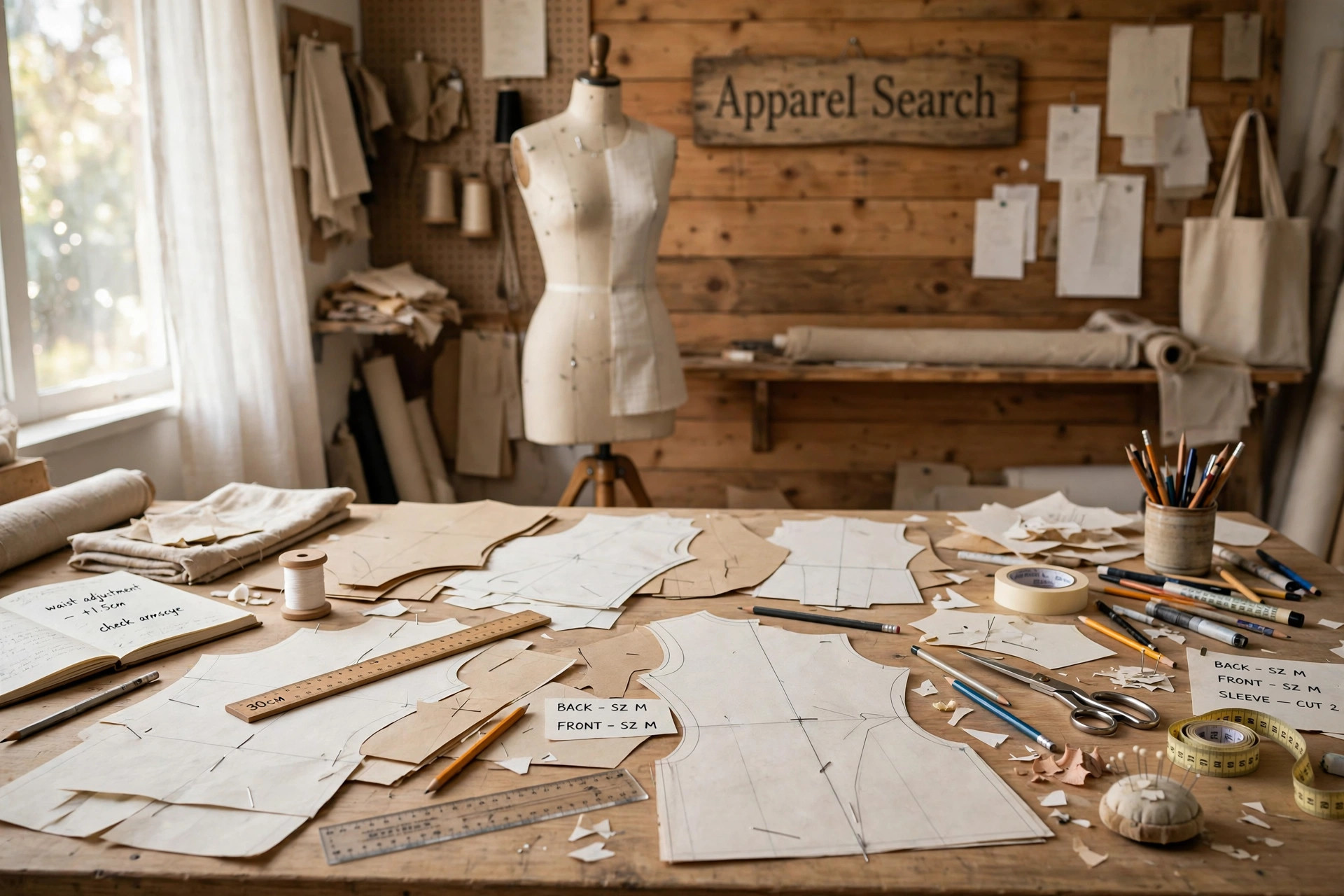
Every garment you have ever worn started life as a set of flat shapes. Fabric is flat; bodies are not. The entire craft of pattern making exists to solve that one problem — to decide where the seams, darts and curves go so that a two-dimensional material wraps a three-dimensional person cleanly, comfortably and in the style the designer intended. A pattern is the solution written down: a set of precisely shaped templates, one for each piece of the garment, carrying the grainlines, notches and markings a cutter and sewer need to reproduce it.
There are two classic roads to that pattern, and most professionals use both. Flat pattern drafting builds the shapes on paper from body measurements, plotting points with rulers and curves. Draping builds them in cloth, pinning and shaping fabric directly on a dress form until the design exists in three dimensions, then flattening it back into paper. Whichever road is taken, the pattern is then tested in a cheap test garment — a muslin — fitted, corrected, and only then committed to real fabric. This guide walks the whole journey through six connected topics.
First, the Vocabulary
A pattern is the template; a block or sloper is the plain, close-fitting foundation pattern from which styles are developed; a dart is a wedge of fabric folded and stitched to create shape over a curve of the body; a muslin (or toile) is the test garment; and trueing is the final checking and smoothing of every line and seam so the pieces join perfectly. The full vocabulary lives in the Apparel Search sewing & pattern-making glossary, a founding reference for this guide.
The Six Guides in This Cluster
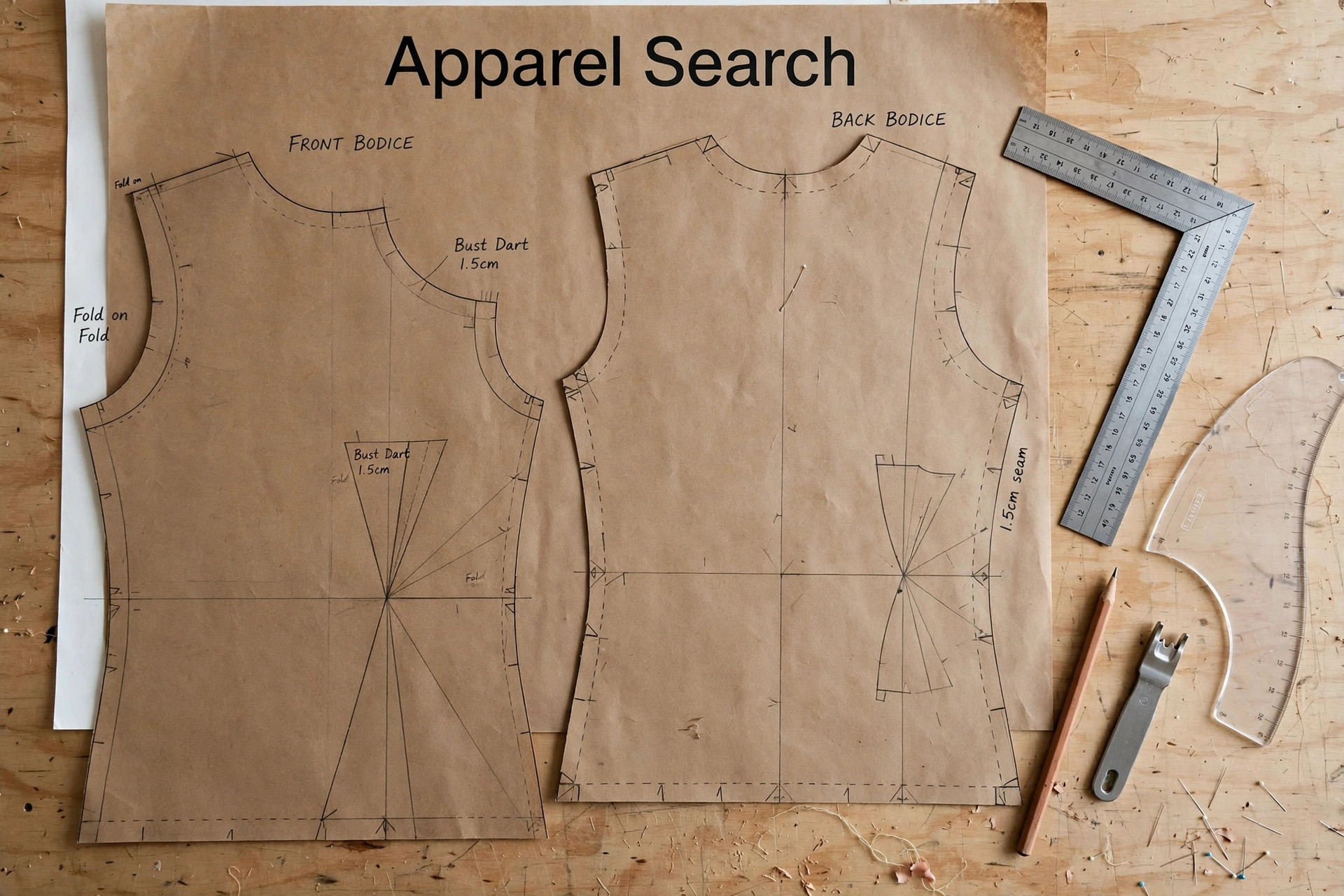 Flat Pattern DraftingBlocks and slopers, the measurements behind them, dart theory, and how a foundation pattern is drafted, trued and turned into styles.
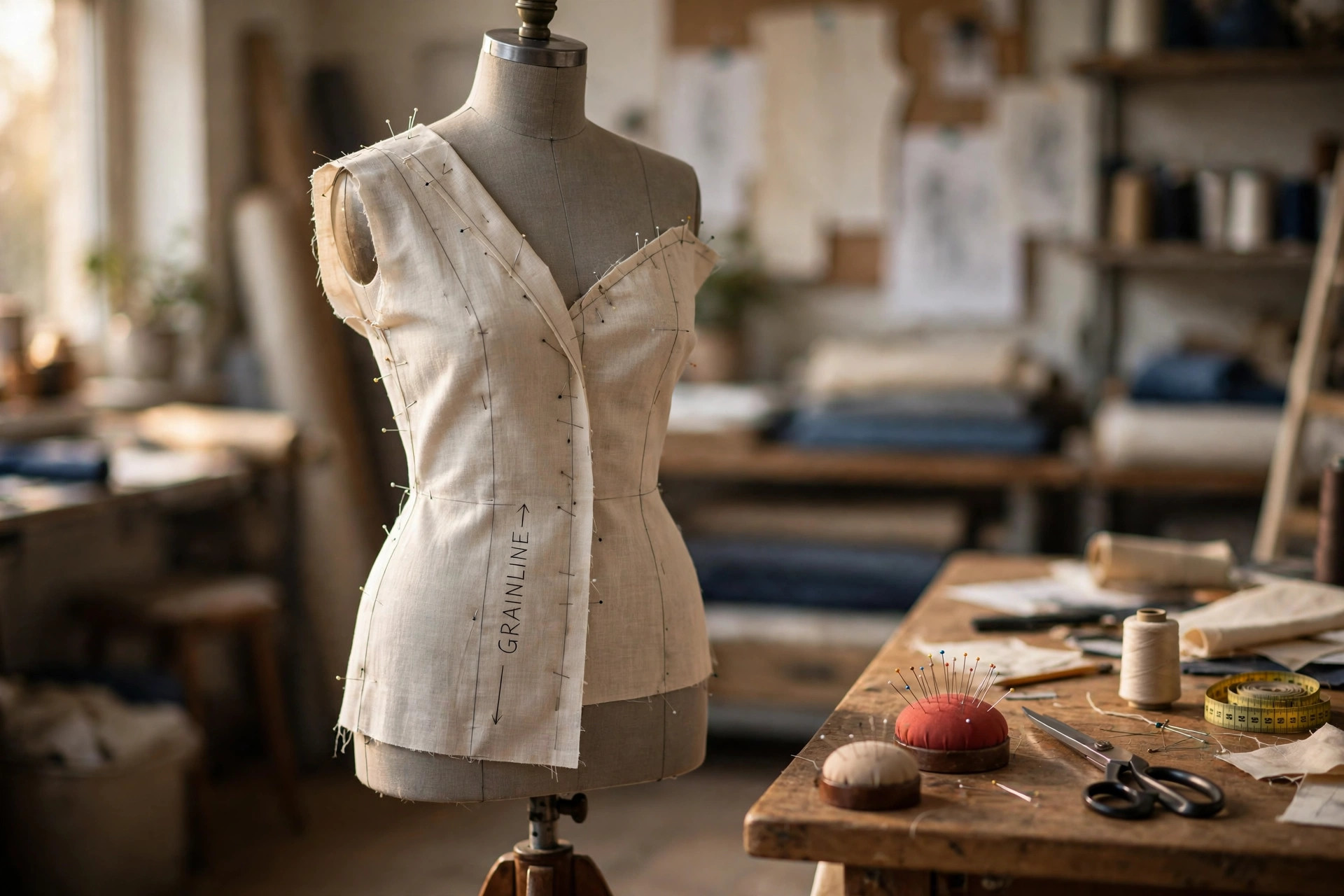 Draping on the Dress FormThe three-dimensional method: preparing the form and the muslin, pinning and shaping cloth, marking it, and transferring the drape to paper.
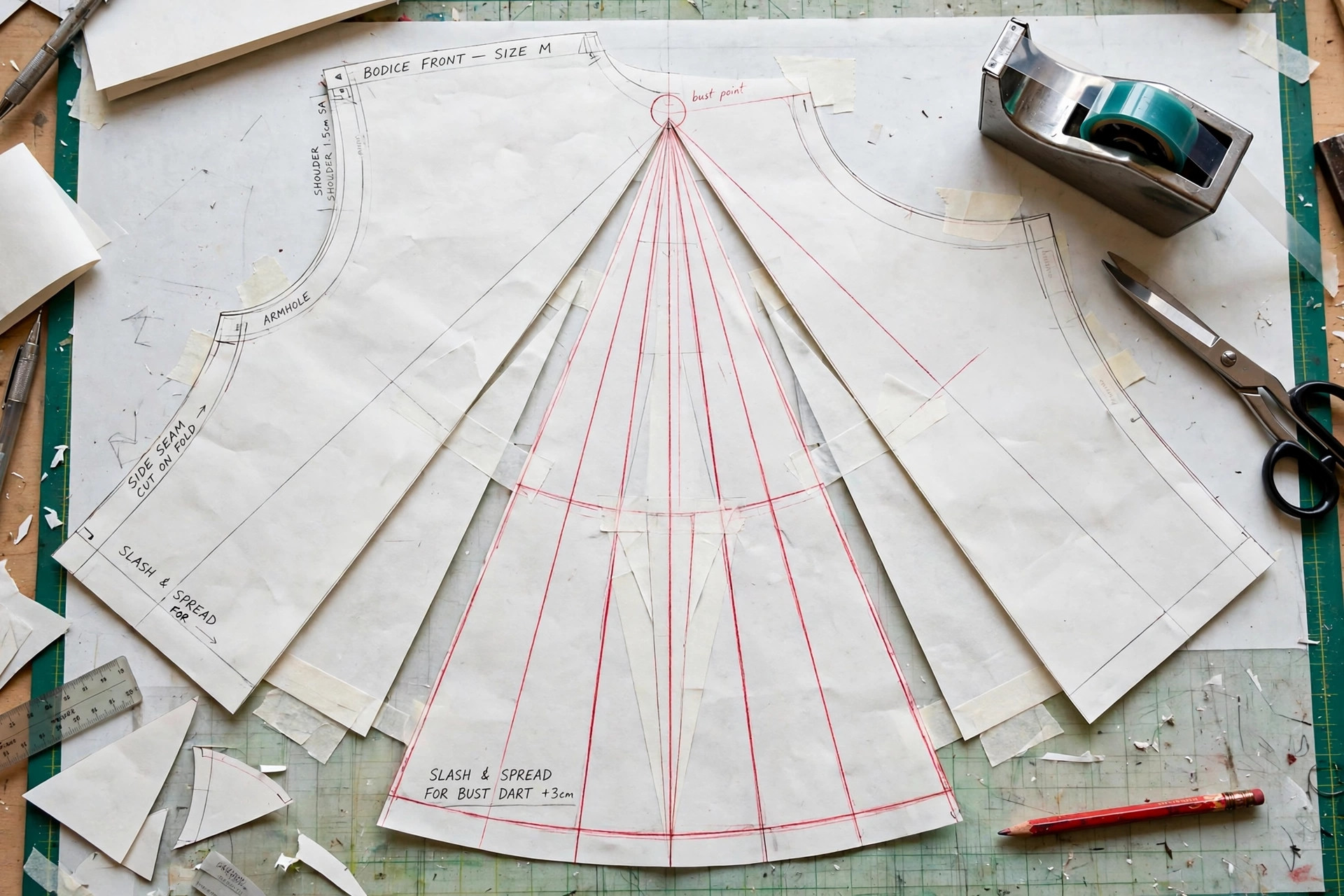 Dart ManipulationMoving fitting power around the pattern with slash-and-spread and the pivot method — waist darts to shoulder, side seam, armhole, princess seams and gathers.
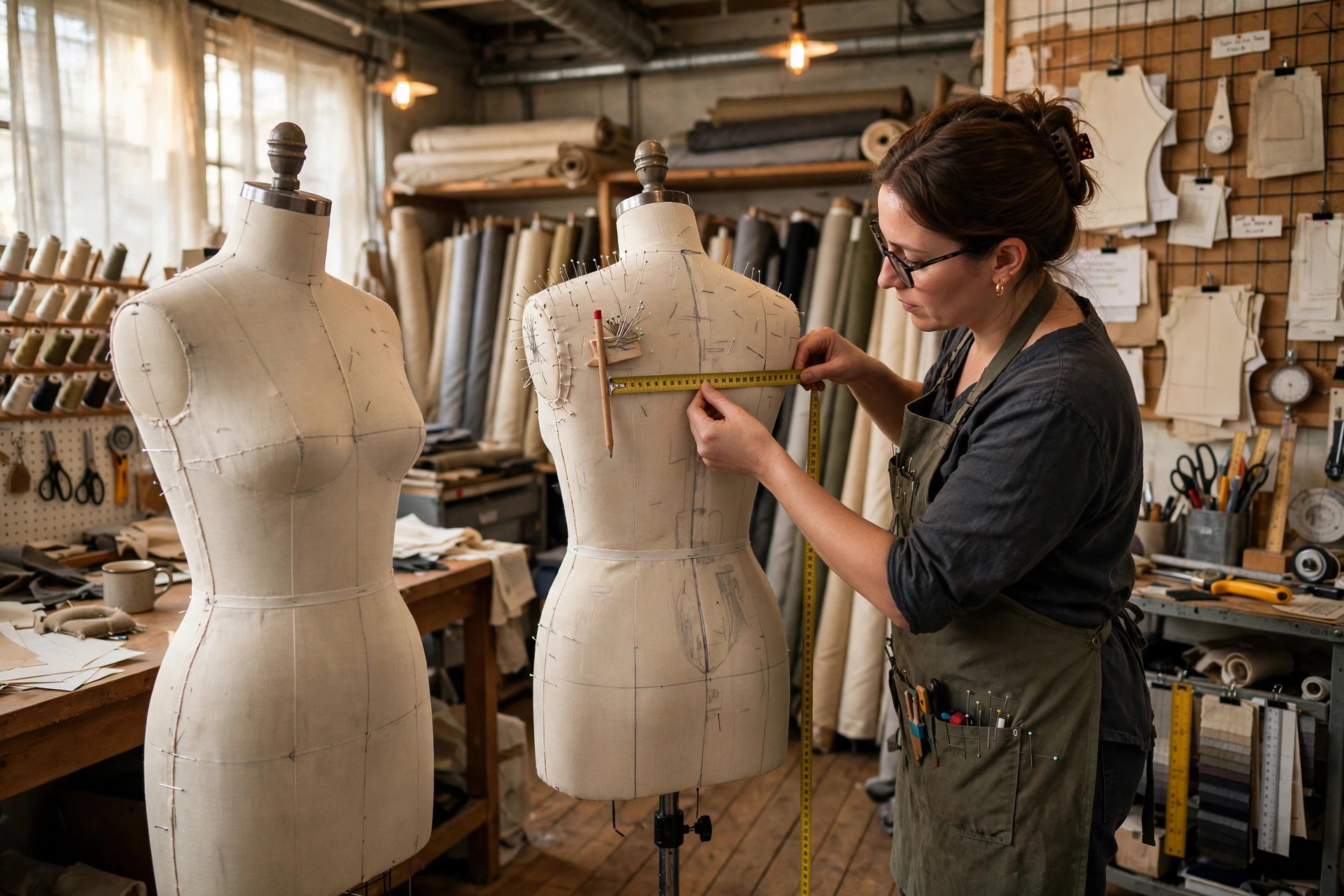 Pattern Fitting AdjustmentsThe standard alterations of pattern work: full and small bust adjustments, swayback, forward shoulder, high round back and more.
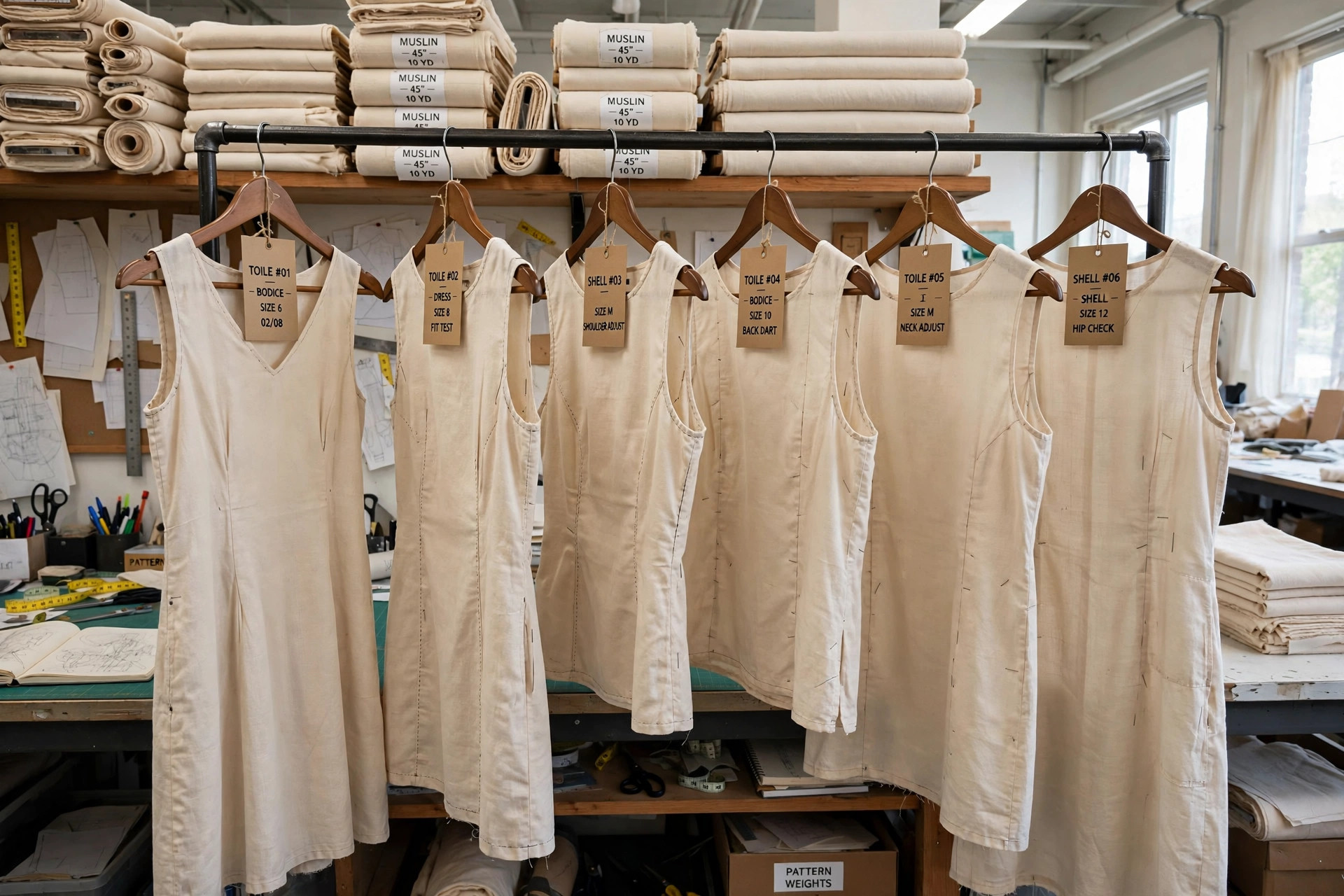 Muslins, Toiles & the Fitting ProcessTest garments, fitting shells and tissue fitting — how a fitting is run, how drag lines are read, and how corrections get back onto the pattern.
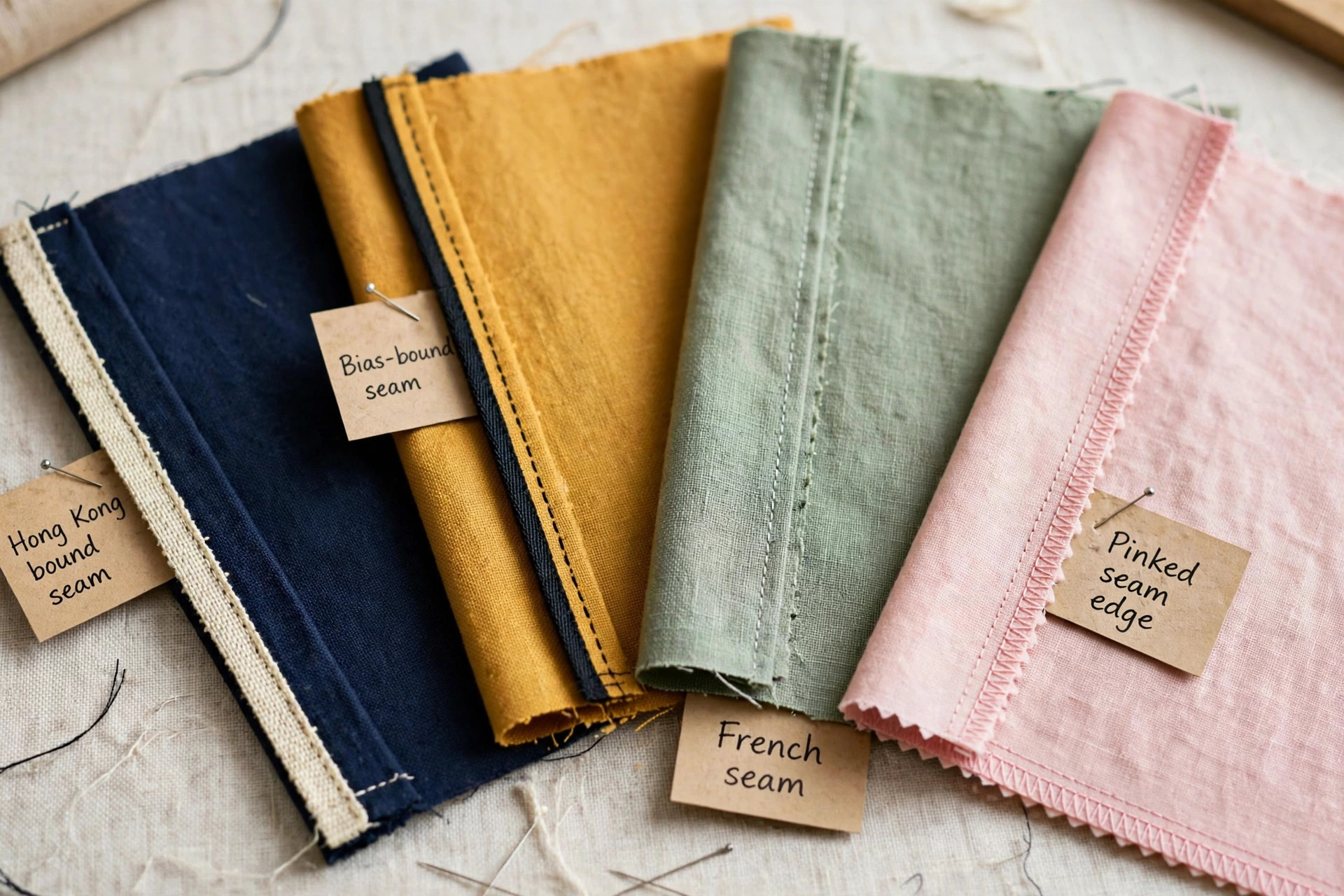 Seam Finishes & PressingHong Kong and bound finishes, French and felled seams, and the tailor's pressing tools and habits that make a garment look made, not homemade.
The Pattern Maker's Workflow
Drafted or draped, nearly every pattern passes through the same sequence. Professionals argue about steps one and two; nobody skips steps three and four.
Measure or Prepare the Form
Drafting starts from a measurement chart; draping starts from a dress form padded and taped to the figure it must fit. Everything downstream inherits the accuracy of this step.
Create the Foundation
Draft the block on paper, or drape the design in muslin on the form and transfer it to paper. Add the style lines, then true every curve and check that seams which will be sewn together are the same length.
Cut and Sew the Muslin
The pattern is cut in inexpensive, stable fabric — its markings transferred, its seam allowances generous — and sewn up with long stitches so it can be opened and reworked.
Fit, Mark, Correct
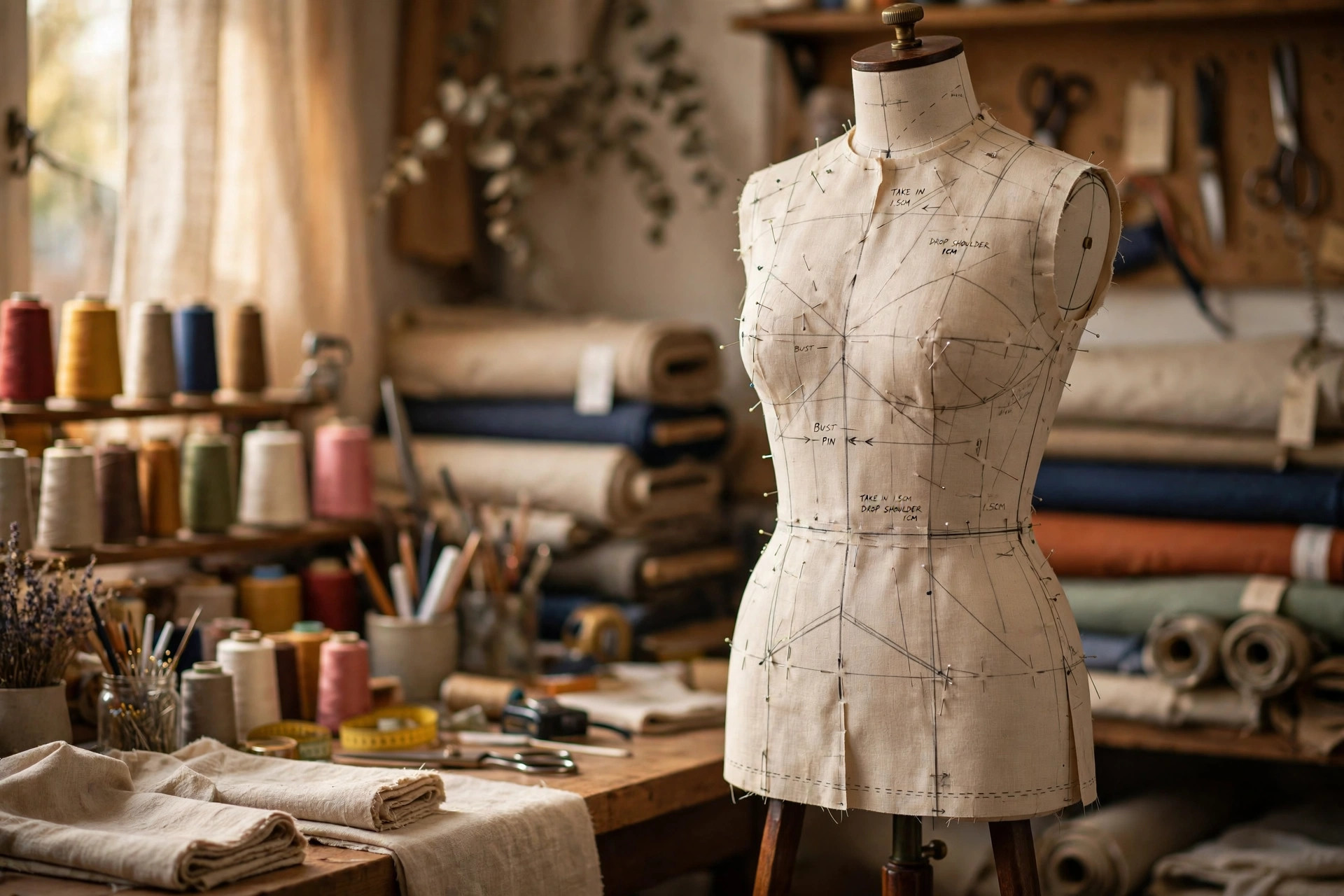
On the body or the form, the fitter reads balance, grain and drag lines, pins out problems and marks corrections directly on the muslin. The paper pattern is then adjusted to match, using the standard alterations in the fitting adjustments guide.
Finalize the Pattern
The corrected pattern is re-trued, seam allowances and facings are finalized, and every piece is labeled with its name, size, grainline and cutting instructions — ready for production or the home sewing room.
Where This Guide Stops — and What Covers the Rest
This cluster is about creating and fitting a pattern for one garment at a time. Turning that fitted pattern into a full range of sizes is grading, and it belongs to a different discipline: the Apparel Search Sizing & Fit Guide covers grading, size systems and ease in depth, including the companion guide to ease that every drafter should read alongside the drafting chapter here. Stitch types and seam construction themselves are covered by the stitch and seams guide, and the wider sewing section collects the site's sewing resources. For knitted garments, whose blocks are built on stretch and negative ease rather than darts, see the Knitwear Construction Guide.
New to sewing itself? This guide assumes you can already sew a seam and follow a pattern. If you are starting from zero, begin with our Learn to Sew guide — it covers reading a pattern envelope, the basic stitches and seams, hemming and simple repairs, and how to choose a first machine.
Related Guides on Apparel Search
Common Questions
What is pattern making?
Pattern making is the craft of creating the flat paper or digital templates from which garment pieces are cut. A pattern maker translates a design — measurements, a sketch, or a draped piece of cloth — into precisely shaped pieces with seam allowances, grainlines, notches and markings that a cutter and sewer can follow to reproduce the garment accurately.
What is the difference between drafting and draping?
Drafting creates a pattern on paper from body measurements, using rulers and curves to plot the shape in two dimensions. Draping creates the pattern in three dimensions by pinning and shaping fabric directly on a dress form, then transferring the result to paper. Drafting is faster and more systematic for basic styles; draping is more intuitive for designs with folds, gathers and fluid shapes.
What is a sloper or block pattern?
A sloper, also called a block, is a basic, close-fitting foundation pattern with no style details and usually no seam allowances. It is drafted to a set of measurements and fitted once, then used as the starting template from which all other styles for that figure or size are developed by moving darts, adding fullness and changing necklines, sleeves and lengths.
Why do I need a muslin if I already have a pattern?
A muslin — also called a toile — is a test garment sewn from inexpensive fabric to check fit and proportion before cutting the real cloth. Paper patterns cannot show how a design behaves on a moving, three-dimensional body, so the muslin reveals drag lines, balance problems and ease issues while there is still time to correct the pattern rather than the finished garment.
Start With the Block
If you read only one guide in this cluster, make it Flat Pattern Drafting. The block is the foundation under everything else — darts, draping corrections and fitting adjustments all assume you know what a well-drafted, well-trued foundation pattern looks like.