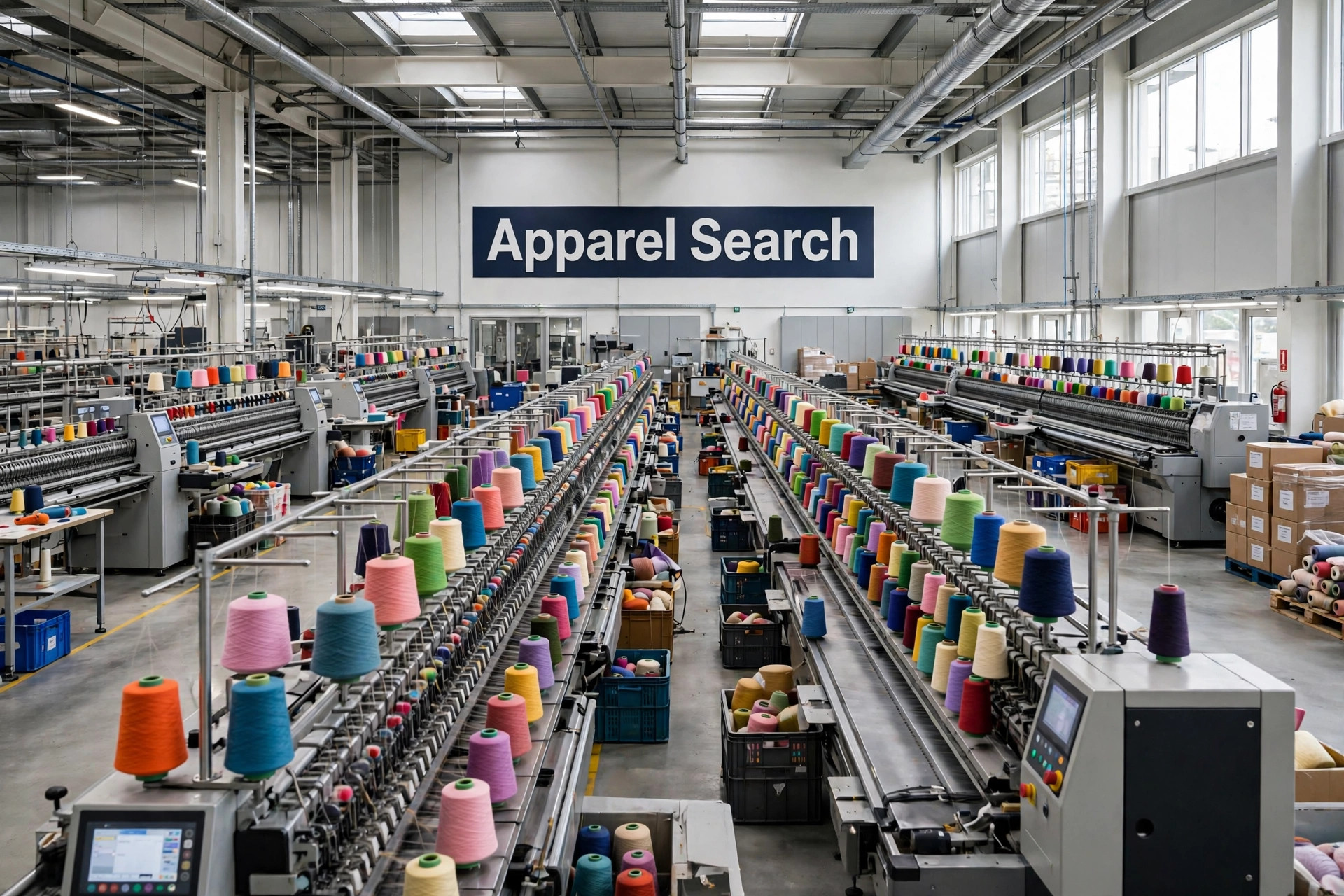
Knitting is the craft of building fabric from loops: a single yarn (or many) is drawn through loop after loop, each new row locking into the row below. Because the structure is loops rather than straight interlaced threads, knitted fabric stretches, drapes, and recovers in ways woven cloth cannot — which is why it owns the sweater, the T-shirt, the sock, and most of activewear. This guide explains how that loop structure is produced, from the two great families of knitting to the way a finished sweater is shaped, assembled, and finished. For the formal glossary entry, see the Apparel Search knitting definition.
Apparel Search already covers knitwear as something to shop for — the women's knitwear guide, the men's knitwear guide, and the women's sweaters guide walk through styles, fibers, and fit. This cluster covers the other side of the subject: what happens on the machine and in the factory before a sweater ever reaches a shop. If you have ever wondered why a fine-gauge merino crew costs what it does, why some knits unravel from a single snag, or how a picture gets "knitted in" rather than printed on, the answers are in the construction — and they are in the six guides below.
The Guides in This Series
Each guide stands on its own, but together they follow the path from yarn to finished garment. Start with the two knitting families, then move through stitches, gauge, and the two great colorwork methods, and finish with how sweaters are assembled.
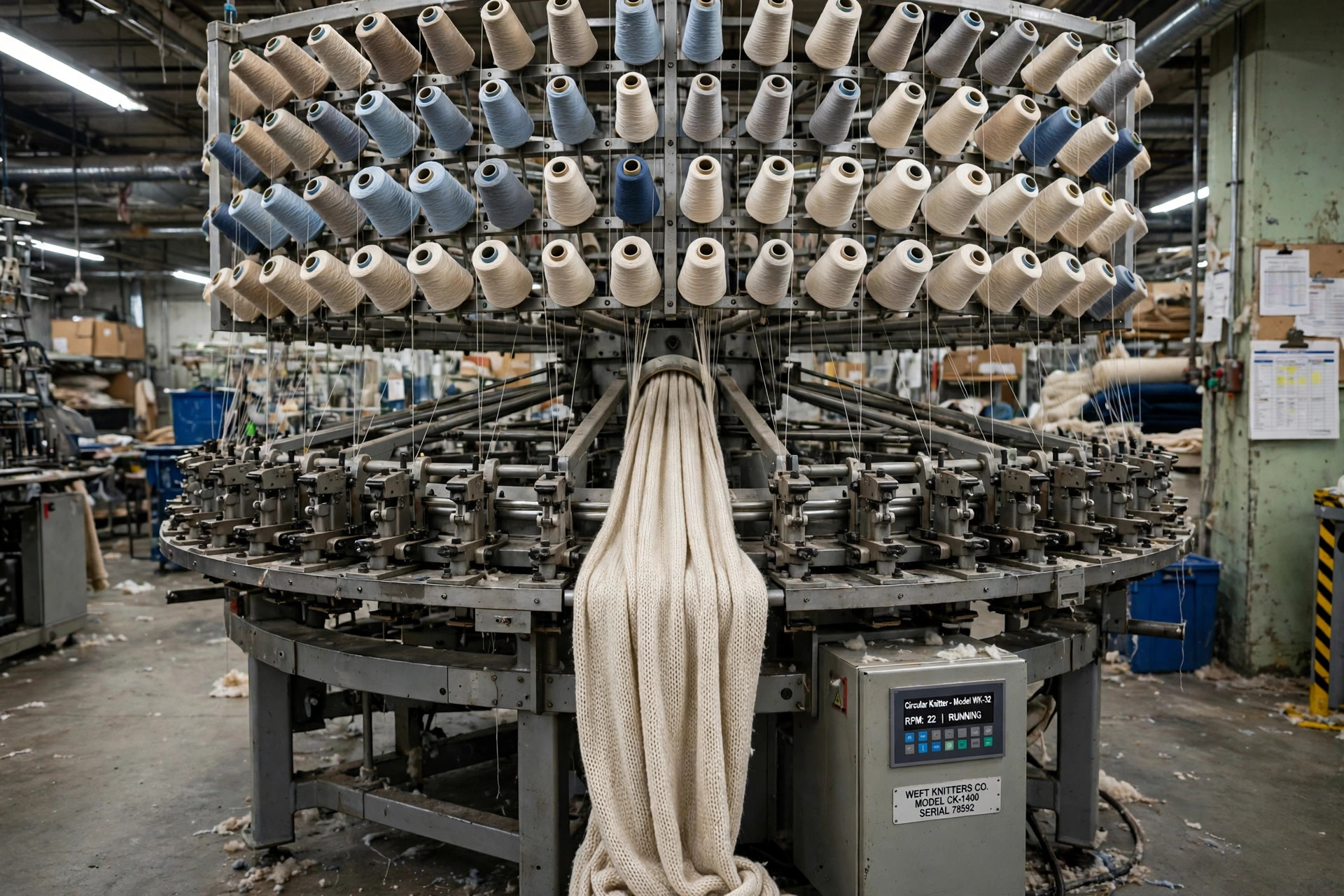 Weft Knitting vs Warp KnittingThe two families of knitting — the machines they run on, and the fabrics each one produces, from jersey to tricot and raschel.
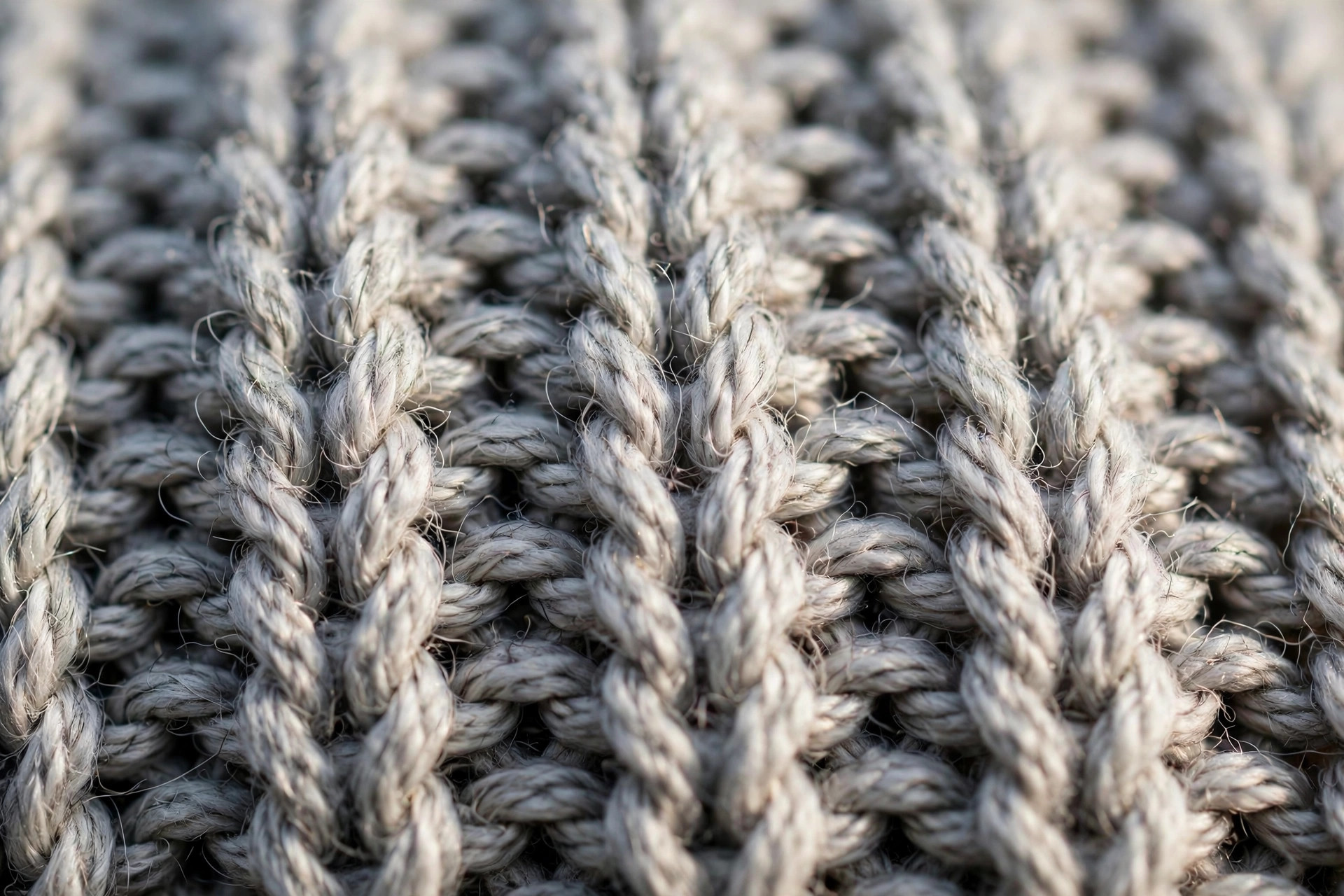 Knit Stitches & StructuresKnit, purl, tuck, and miss stitches, and the structures they build: jersey, rib, purl, interlock, and Milano.
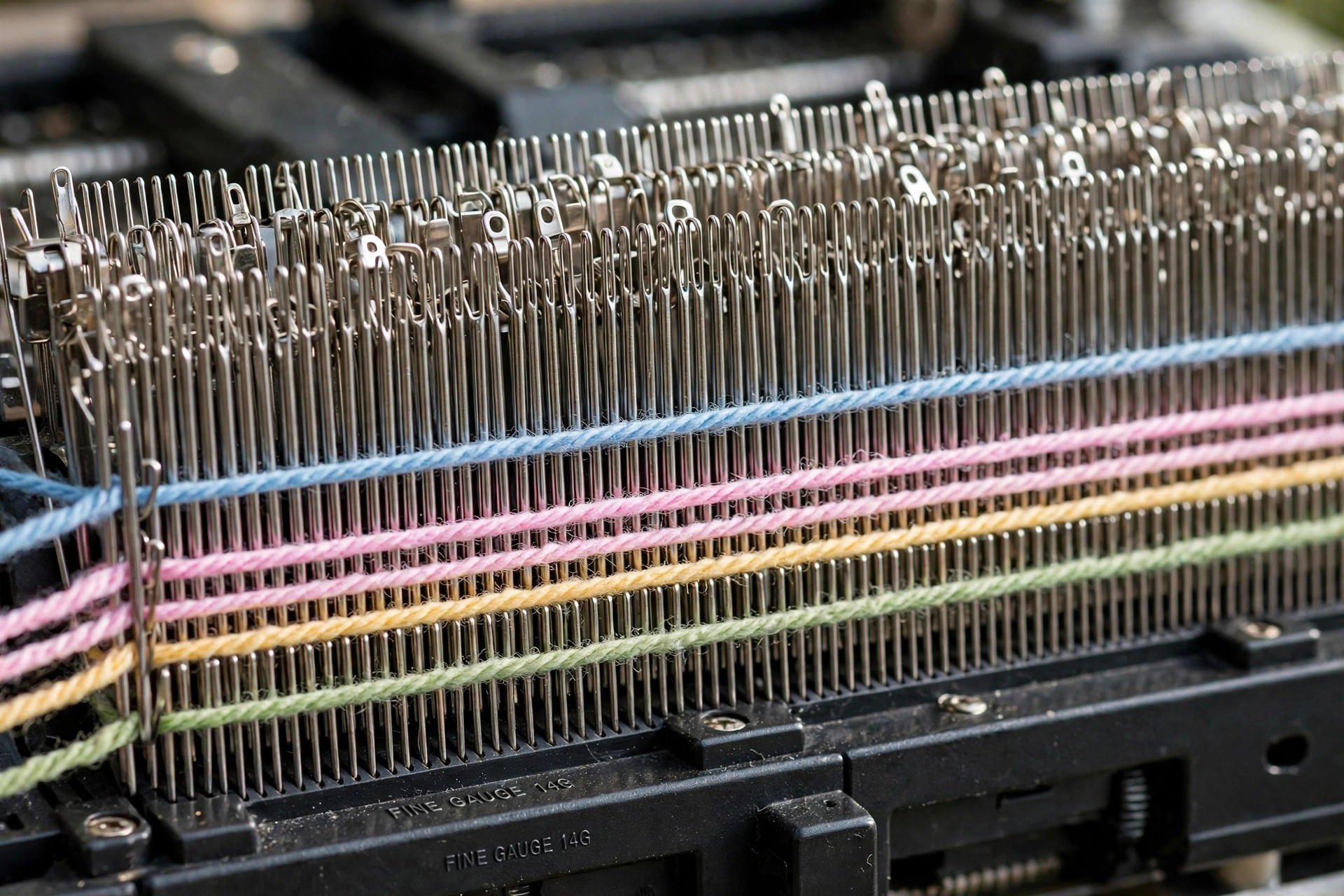 Knit Gauge ExplainedWhat machine gauge means, why fine gauge costs more, and how gauge decides a sweater's weight, drape, and price.
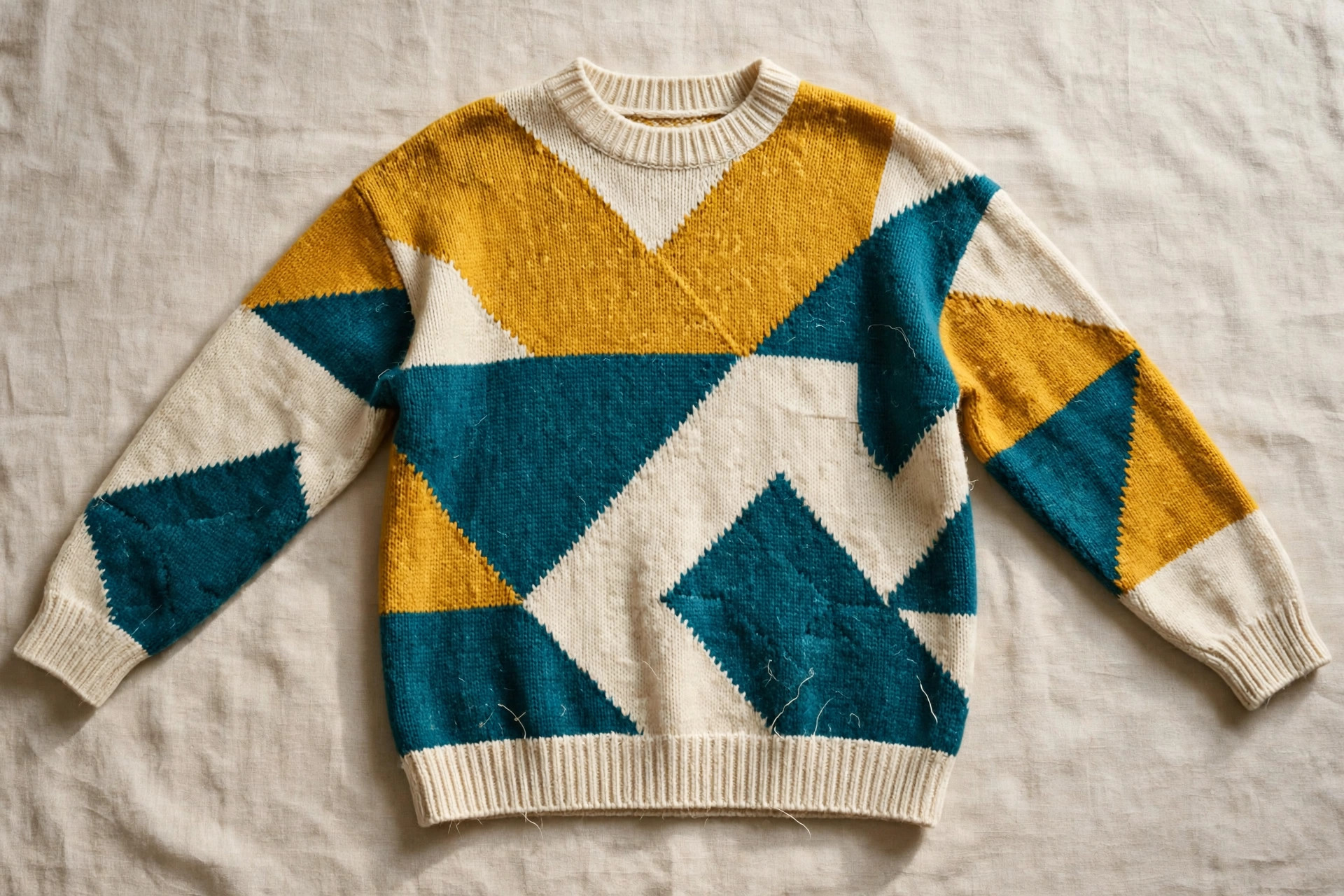 Intarsia KnittingColor-block knitting with clean, single-layer blocks of color — and how it differs from stranded Fair Isle work.
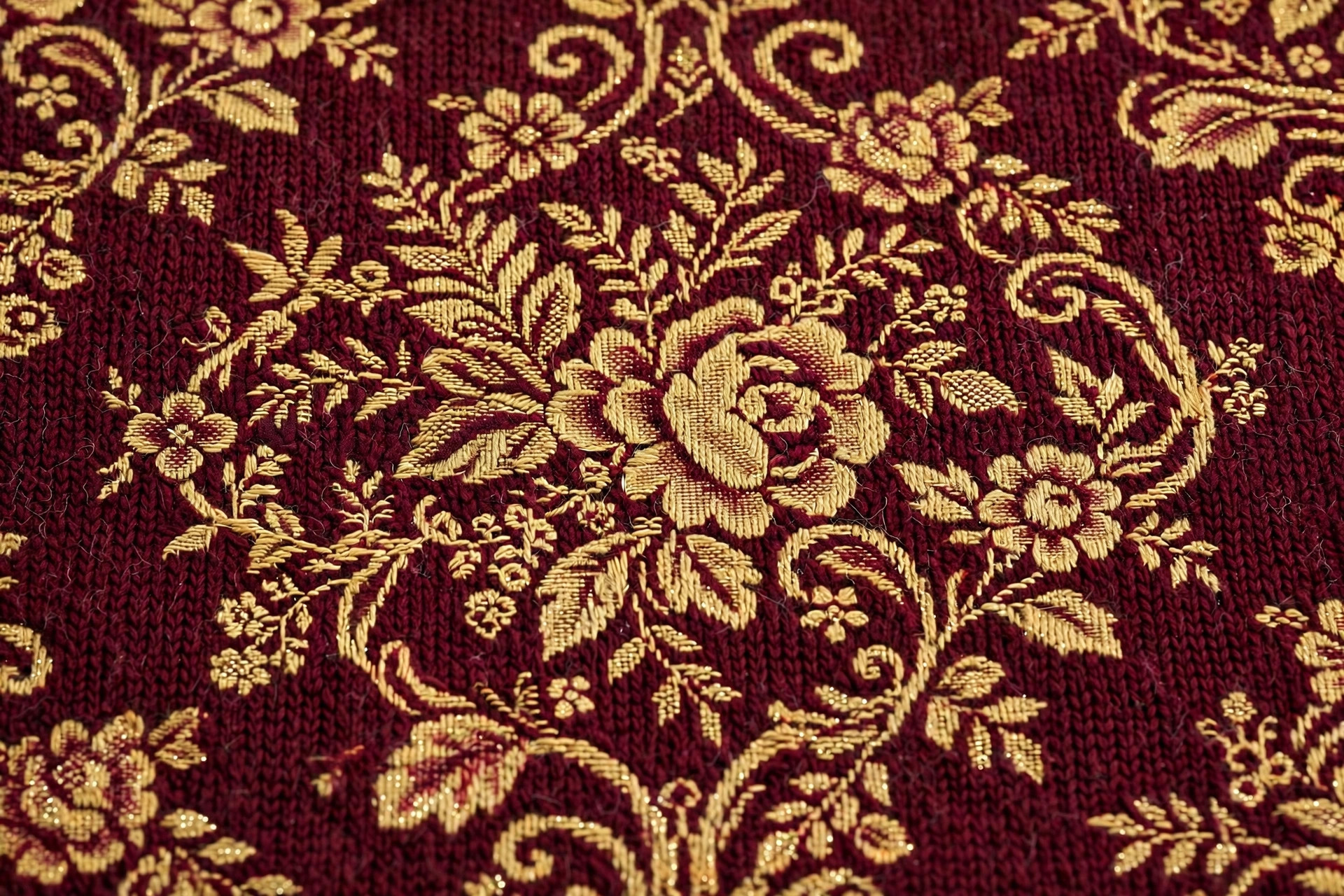 Jacquard KnitsPattern knitted in by individually controlled needles — jacquard vs intarsia vs Fair Isle, and how to tell them apart.
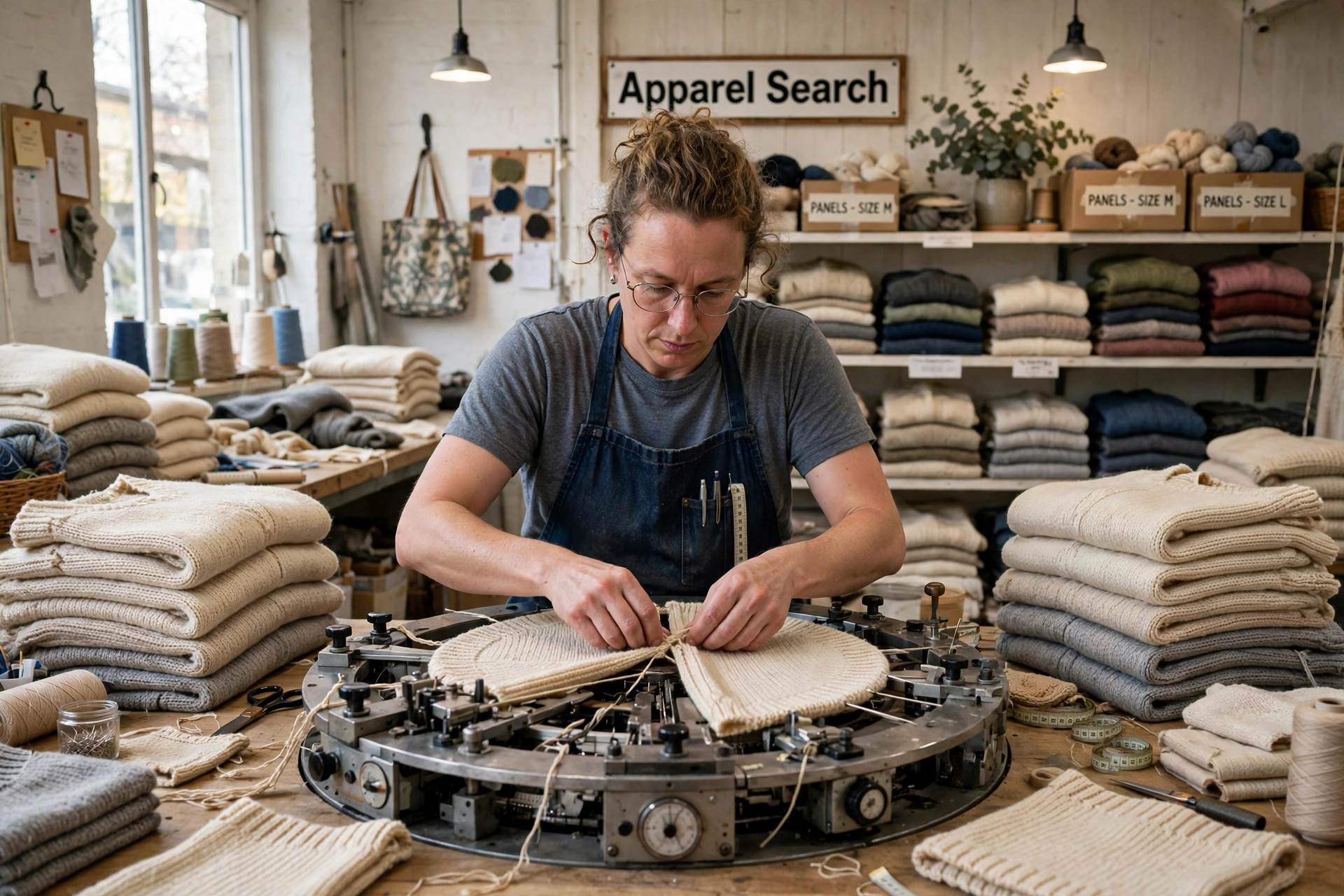 How Sweaters Are MadeFully-fashioned, cut-and-sew, and seamless whole-garment production, plus linking, washing, and finishing.
Two Families of Knitting
Nearly all knitted fabric belongs to one of two families. In weft knitting, a yarn travels horizontally across the fabric, forming loops that build the cloth one course (row) at a time — the same principle as hand knitting, scaled up to circular machines that knit T-shirt jersey by the ton and flat-bed machines that knit sweater panels. In warp knitting, hundreds of yarns are fed from large beams and each one loops vertically, zig-zagging between neighboring columns so the fabric cannot unravel; this family produces tricot, raschel lace, mesh, and tulle. The full comparison — machines, fabrics, stretch, and unraveling behavior — is in Weft Knitting vs Warp Knitting, with the individual glossary entries for weft and warp knitting.
Whichever family is used, the fabric's character comes from its stitch structure and its gauge. Structures such as jersey, rib, and interlock are explained in Knit Stitches & Structures (see also the term page comparing jersey vs interlock fabric), while Knit Gauge Explained covers the fineness scale that separates a gauzy 16-gauge knit from a fisherman's chunky 3-gauge. Pattern enters through colorwork: intarsia for bold single-layer blocks — the technique behind classic cable knits' patterned cousins — and jacquard for intricate all-over motifs. Finally, How Sweaters Are Made follows the garment through shaping, linking, and finishing — the same ground introduced in the site's guide to manufacturing knitwear and sweaters.
Why Construction Matters to the Wearer
Construction is not factory trivia; it decides how a knit behaves for its whole life. Weft-knitted jersey curls at the edges and can ladder from a snag because each row depends on the last; warp knits stay flat and resist runs. A fully-fashioned sweater, shaped on the machine and linked loop-to-loop, keeps its fit and wastes almost no yarn; a cut-and-sew sweater is faster and cheaper to make but carries bulkier seams. Fine gauge reads as refined and layers smoothly; coarse gauge is warm and textured but heavier. Knowing which construction you are holding explains the price tag, the care label, and how the garment will age — and once you can read a knit, the shopping guides make more sense: browse the men's sweaters guide or the children's knitwear guide with construction in mind, and start from the sweater definition if you want the garment terms themselves.
Related Guides
Common Questions
- What is the difference between knitting and weaving?
- Knitting builds fabric from interlocking loops of yarn, usually formed one row at a time, which gives the fabric natural stretch and elasticity. Weaving interlaces two sets of straight yarns — warp and weft — at right angles, producing a more stable fabric with little stretch unless elastic yarns are added.
- What are the two main types of knitting?
- Weft knitting, where one yarn travels across the fabric forming loops row by row (jersey, rib, most sweaters), and warp knitting, where many yarns are fed from beams and loop vertically in parallel (tricot and raschel fabrics such as lace, mesh, and swimwear linings).
- What does gauge mean on a sweater?
- Gauge is the fineness of the knitting — on a machine, the number of needles per inch of needle bed. A higher gauge (12, 14, 16) uses finer yarn and makes a smoother, lighter sweater; a low gauge (3, 5, 7) uses chunky yarn and makes a thick, textured knit.
- What does fully-fashioned mean in knitwear?
- Fully-fashioned knitwear is knitted to shape on the machine: stitches are increased and decreased so each panel comes off the machine already shaped like a front, back, or sleeve. The panels are then linked together loop by loop, with almost no cutting and very little waste — unlike cut-and-sew knitwear, which is cut from yardage like woven fabric.
Start With the Loops
Every knit you own — from a five-dollar tee to a hand-finished fully-fashioned sweater — is built from the same simple loop. The difference is in how the loops are formed, arranged, and assembled. Begin with the two families of knitting, and the rest of the series opens up from there.