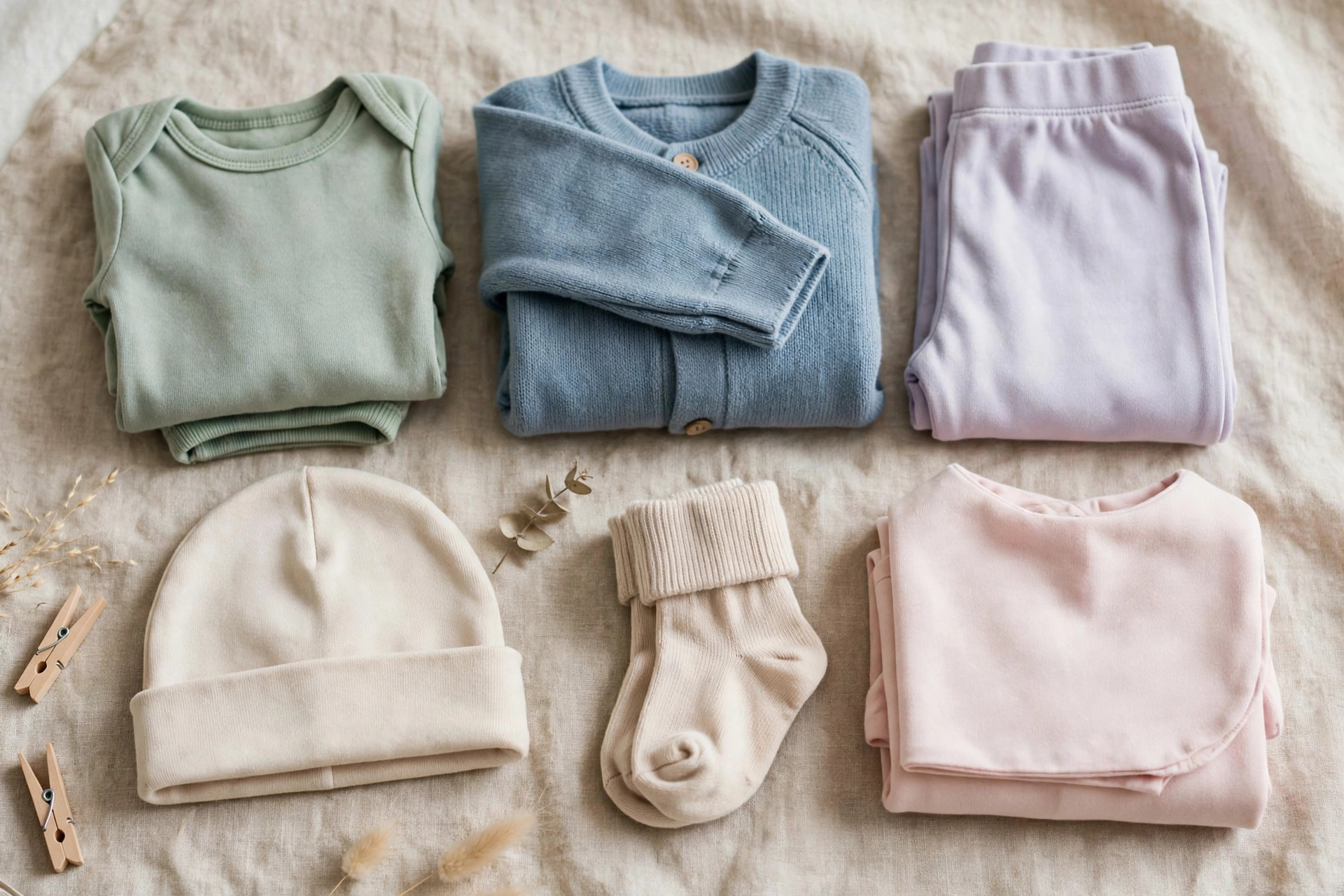
Sensory-friendly clothing is designed for people — especially children — with sensory processing sensitivities, autism, or simply low tolerance for scratchy seams and tags. The category has grown from a niche into a mainstream expectation: comfort-first construction that any customer appreciates. For brands, it's both an inclusive mission and a real market.
Design Principles
Eliminate irritants systematically: flatlock or bonded seams instead of raised overlock ridges, tagless heat-transfer labels instead of sewn-in tags, no exposed elastic that digs, and soft waistbands without drawstrings. Choose buttery-soft, breathable fabrics — brushed cotton, bamboo blends, and modal lead the category. Every design choice gets evaluated by feel first.
Construction Details That Matter
Seam placement matters as much as seam type: move side seams slightly forward so they don't press under arms, use raglan sleeves to avoid shoulder-seam pressure points, and skip back-neck labels entirely. Pre-wash fabrics to remove sizing stiffness. If you add compression features for proprioceptive input, engineer them deliberately — gentle, even pressure, never restrictive.
The Market and Messaging
Parents of sensory-sensitive children are passionate, loyal, and vocal — they reward brands that get it right with repeat purchases and referrals. Market the features plainly (“flat seams, tagless, no itchy tags”) rather than with medical jargon, and consider adaptive options like magnetic closures or easy-access openings that serve wider disability needs too.
FAQs
- What makes clothing sensory-friendly?
- Flat or bonded seams, tagless labels, soft breathable fabrics, no scratchy trims, and gentle elastic — every element chosen to minimize tactile irritation.
- Is sensory-friendly only for children?
- No. Adults with sensory sensitivities, eczema, or post-surgical needs buy sensory-friendly clothing too; the adult market is growing fast.
- What fabrics work best?
- Brushed cotton, bamboo viscose blends, modal, and high-quality jersey with some stretch. Avoid stiff, scratchy, or noisy fabrics (like crinkly nylon) unless specifically requested.
- How do I market sensory-friendly features?
- State the concrete features — flat seams, tagless, soft waistband — on the product page. Parents search for exactly these terms.
Apparel Search: explore the manufacturing guides hub and production & sourcing resources for the fashion industry.