Fabric Guide
Denim Fabric Guide
The cloth behind the jeans — how denim is woven, how its weight is measured, what raw and selvedge really mean, and how washes, weaves and care change the fabric
Denim is the most successful workwear fabric in history: a sturdy cotton twill that started in nineteenth-century work clothes and became the default cloth of casual dress around the world. Yet for all its familiarity, denim is widely misunderstood. Shoppers talk about jeans in terms of fit, brand and wash, but the qualities that decide how a pair wears, fades and lasts are set in the fabric itself — its weight, its weave, its dye and its finish. This guide covers denim from the cloth side: how it is made, how to read its specifications, and how to care for it once it is yours.
The name itself is a souvenir of the fabric's origins. Denim is generally traced to serge de Nîmes, a twill cloth from Nîmes in France, and its cousin jean was a cotton cloth associated with Genoa. What defines denim today is not where it comes from but how it is built: a warp-faced twill in which indigo-dyed warp yarns dominate the surface and undyed weft yarns pass underneath.
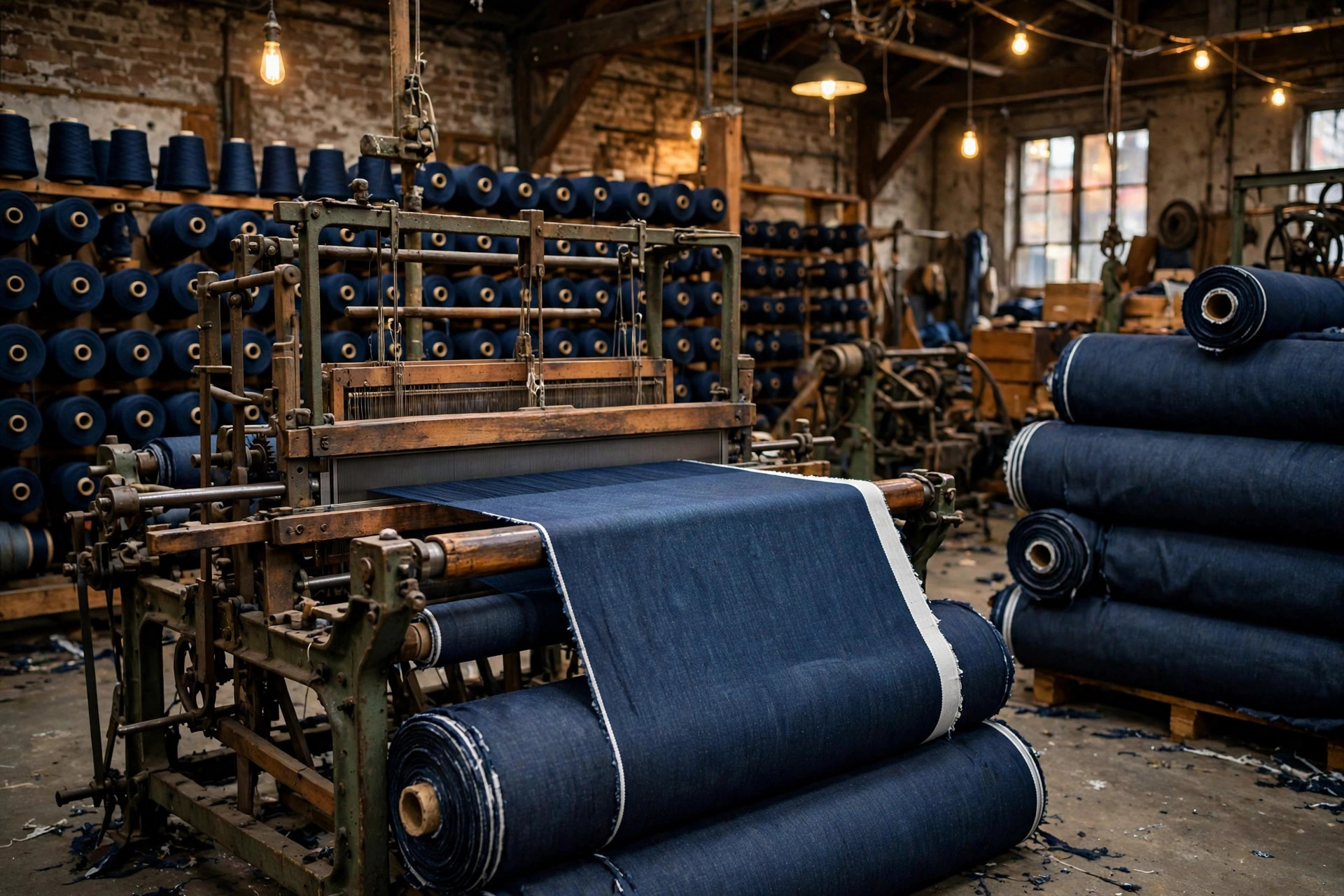
Denim, defined: a durable cotton twill fabric woven so that the warp threads — dyed indigo — predominate on the face of the cloth, while the undyed weft threads show mainly on the back. The diagonal rib of the twill weave and the blue-and-white contrast between warp and weft are denim's two signatures.
How Denim Is Made
Denim begins as cotton yarn. The warp yarns — the lengthwise threads that will form the face of the fabric — are dyed before weaving, traditionally with indigo. In rope dyeing, the warp yarns are gathered into ropes and passed repeatedly through indigo baths, then exposed to air so the dye oxidizes to its familiar blue. Indigo sits on the surface of the yarn rather than penetrating to its core, which is why denim fades with abrasion: wear removes dye from the surface and exposes the white center of the yarn. Sheet or slasher dyeing, which dyes the warp as a flat sheet of yarn, is faster and common in mass production.
The dyed warp is then woven with undyed weft yarn in a twill weave, most often a 3/1 twill in which each weft thread passes under three warp threads, producing the diagonal lines visible on the fabric's face. Most denim today is woven at high speed on wide projectile, rapier or air-jet looms. A shrinking share is still woven slowly on narrow vintage shuttle looms, which produce the self-finished edge known as selvedge. After weaving, the cloth may be sanforized to pre-shrink it, singed to burn off surface fuzz, and skewed to keep the legs of finished jeans from twisting.
Explore the Denim Fabric Guide
Each guide below takes one part of the fabric story in depth. Together they cover the ground a buyer, a student or a serious denim wearer needs in order to talk about denim precisely.
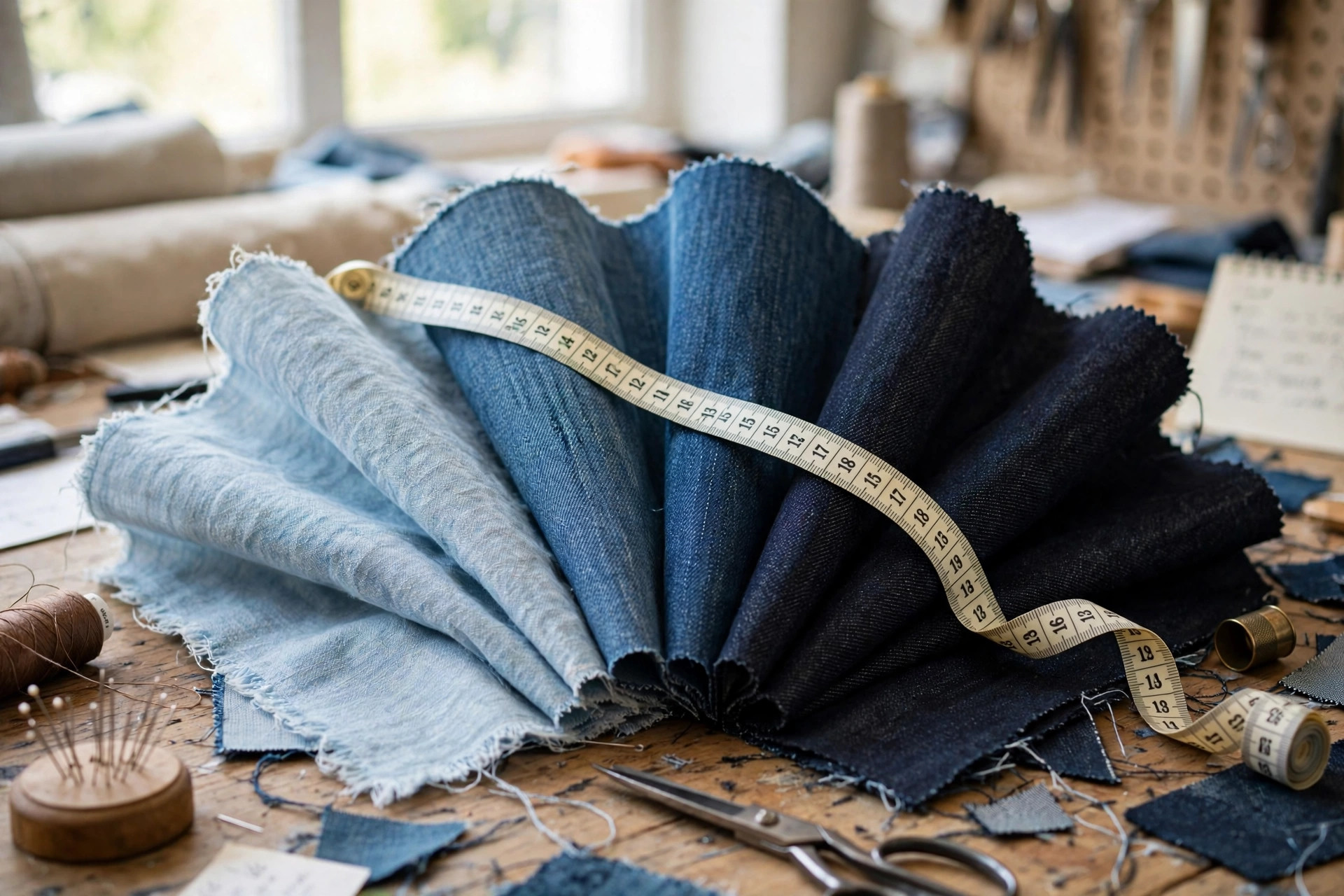 Denim Weights ExplainedWhat the ounce number on a spec sheet means — lightweight, midweight and heavyweight denim, and what each range is best suited for.
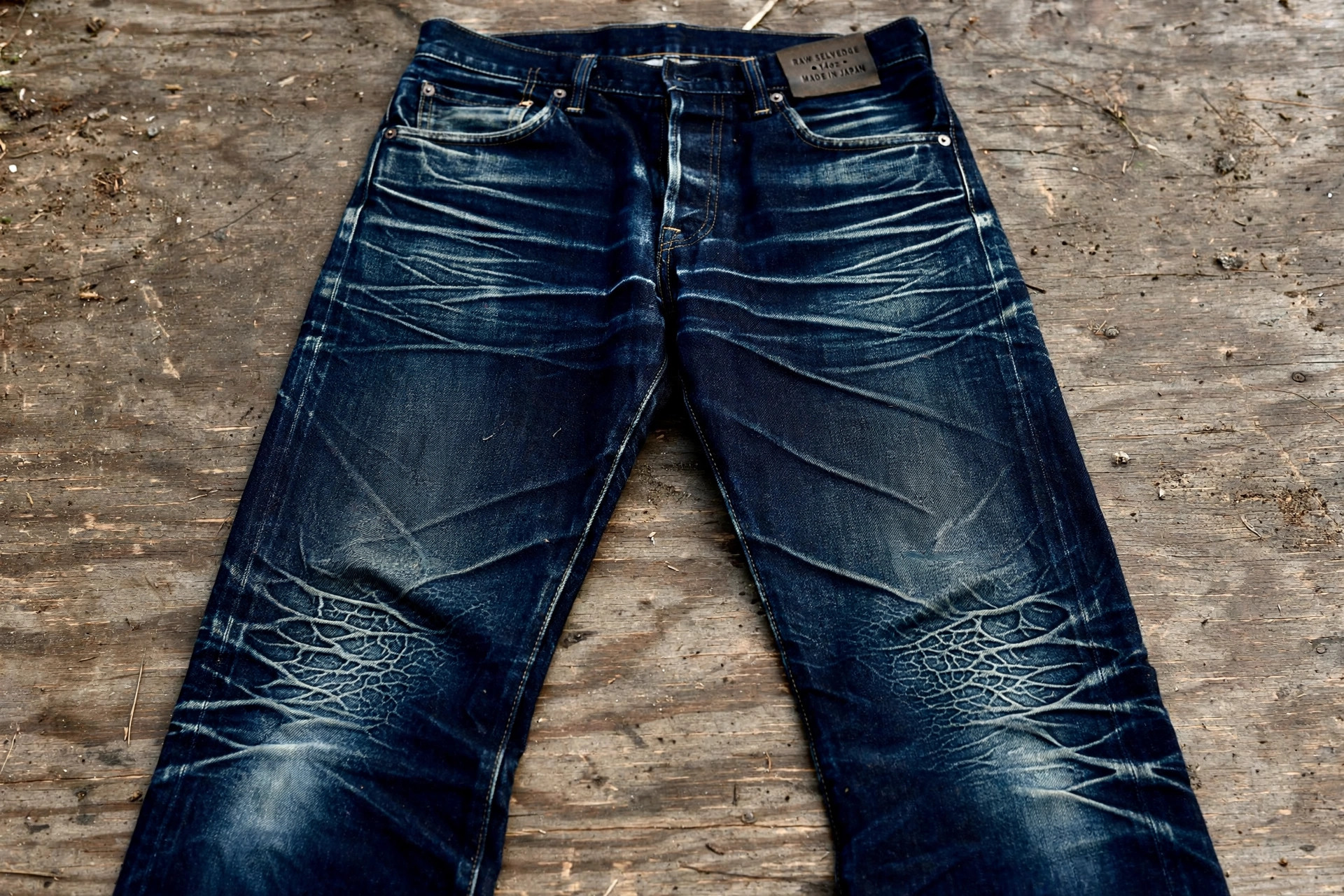 Raw Denim GuideUnwashed denim explained: break-in, personal fades, the soak question, and the difference between sanforized and unsanforized cloth.
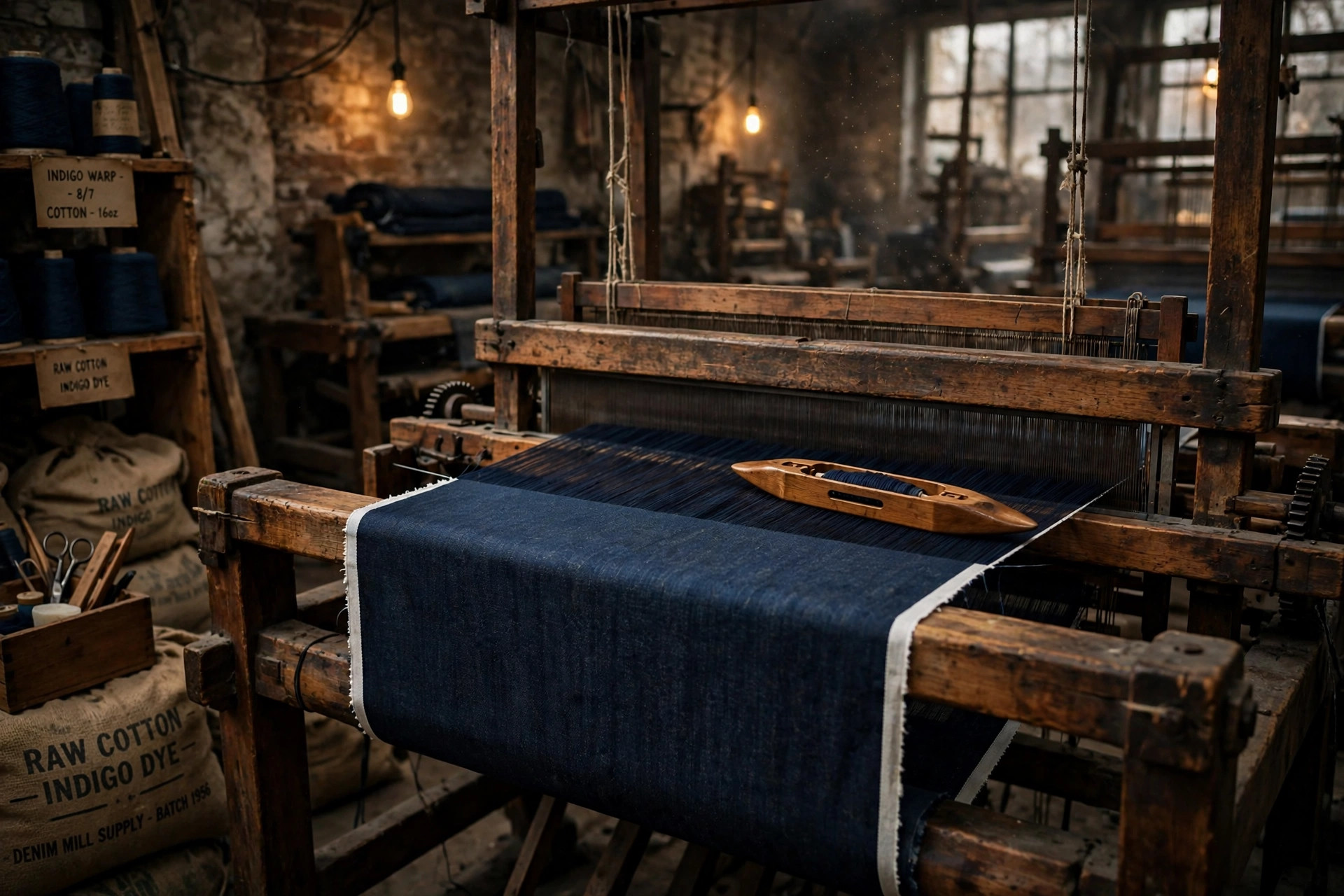 Selvedge Denim GuideThe self-finished edge woven on shuttle looms — how to recognize it, what the colored ID lines mean, and why it costs more.
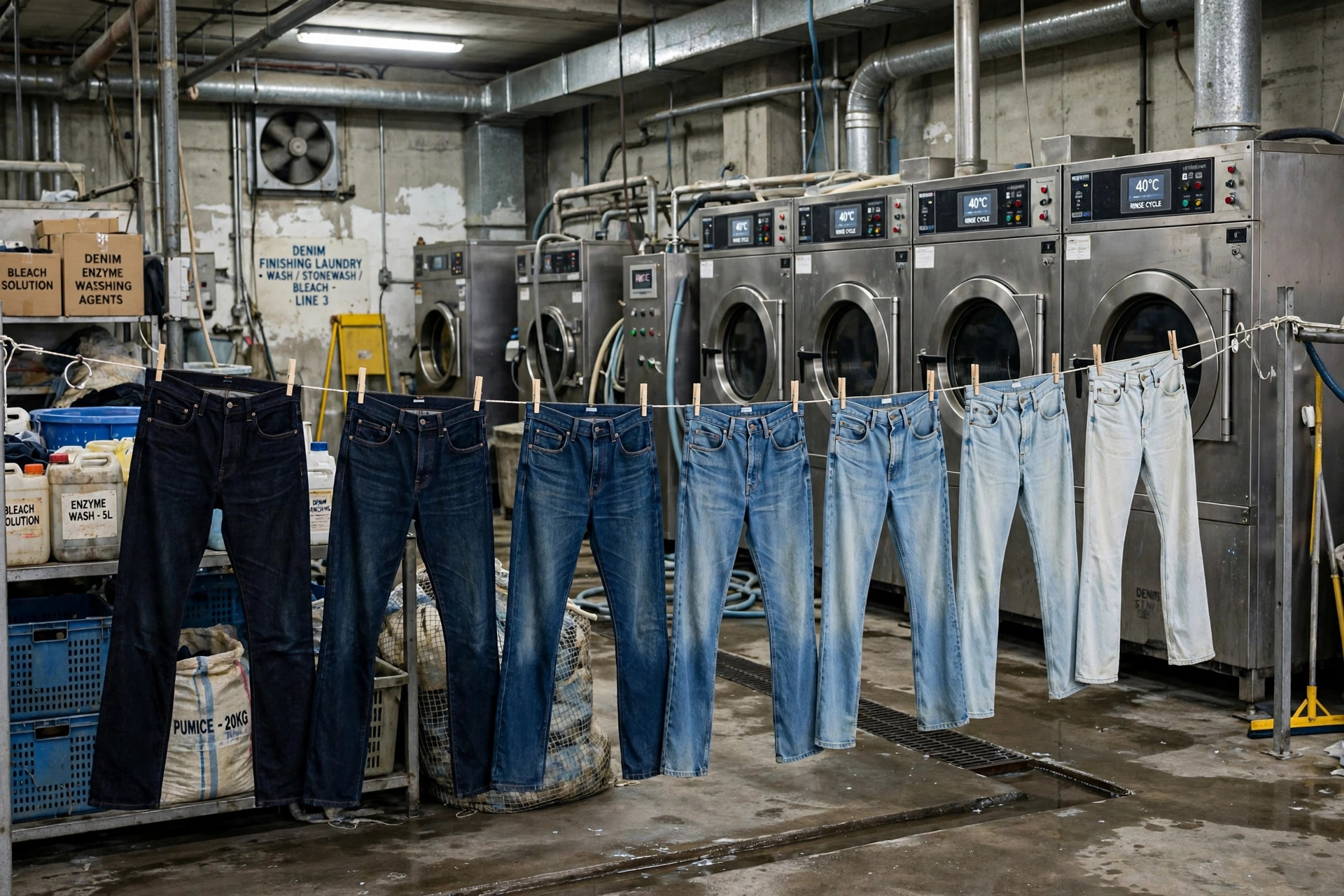 Denim Washes & FinishesStone washing, enzyme washing, acid wash, bleach and laser finishing — the processes that turn dark loom-state cloth into finished styles.
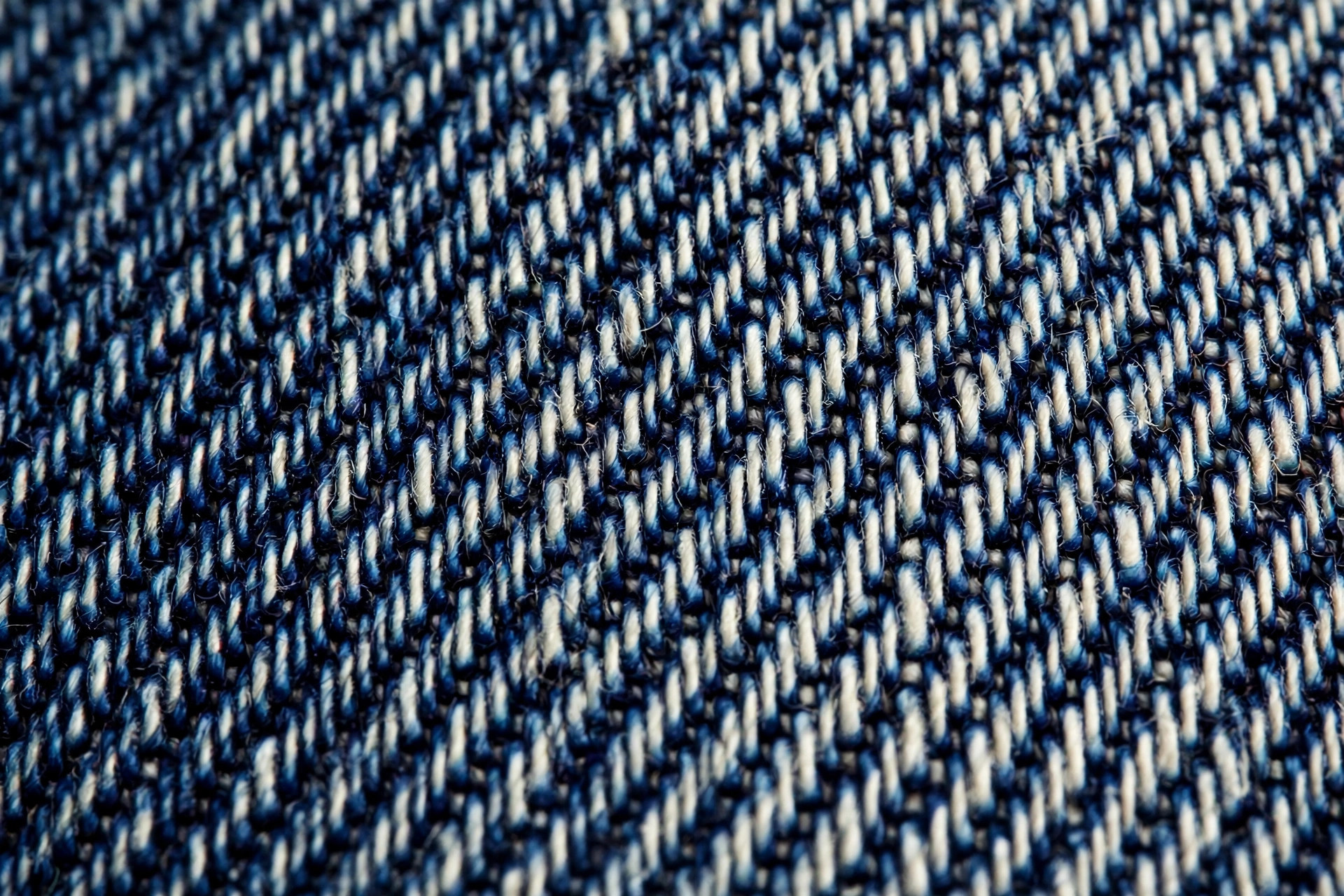 Types of Denim WeaveRight-hand, left-hand and broken twill, stretch denim, colored denim and ecru — how weave structure changes hand feel and wear.
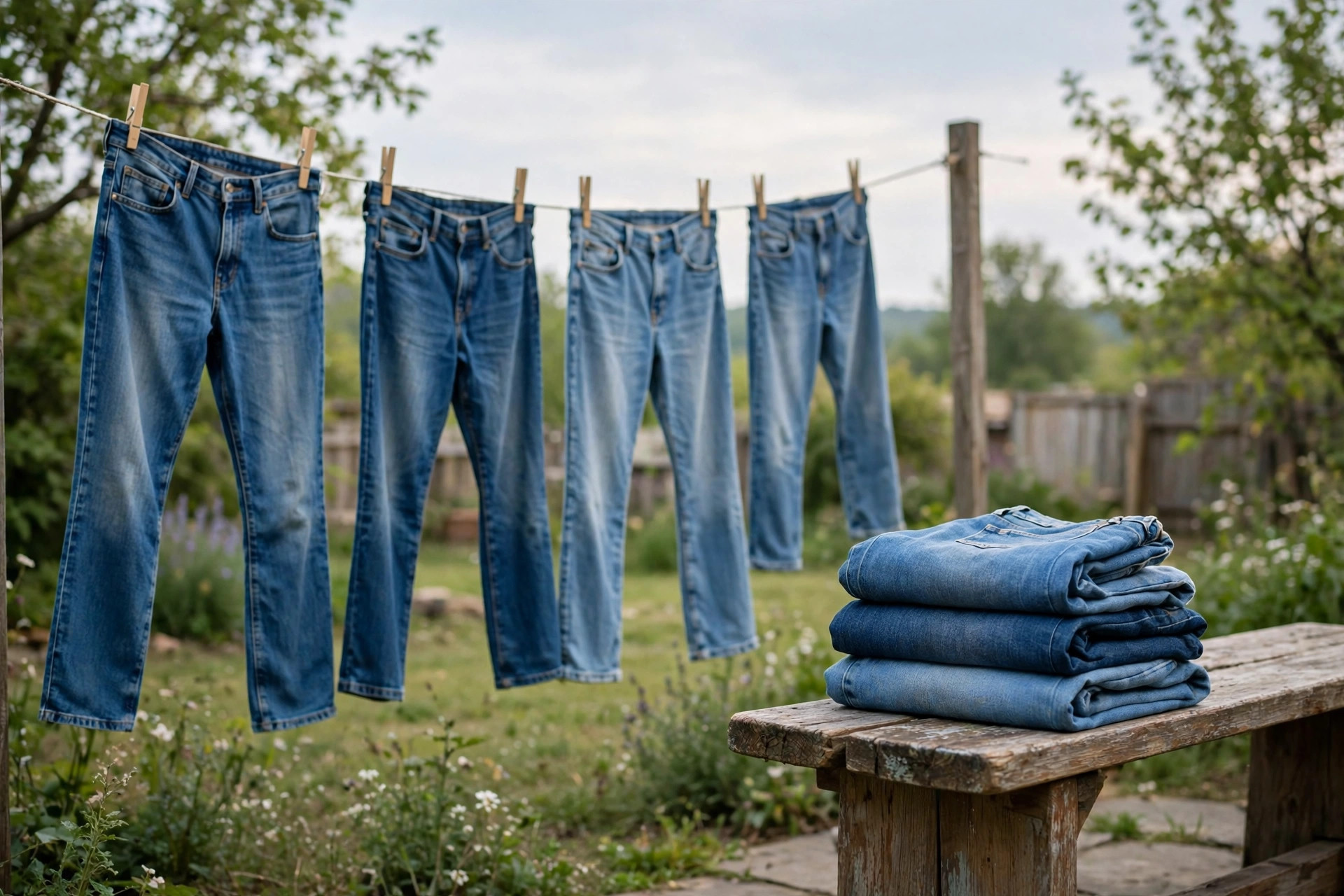 Denim Care & ShrinkageWashing denim without ruining it, how much shrinkage to expect, and how to manage indigo transfer — the site's denim care deep dive.
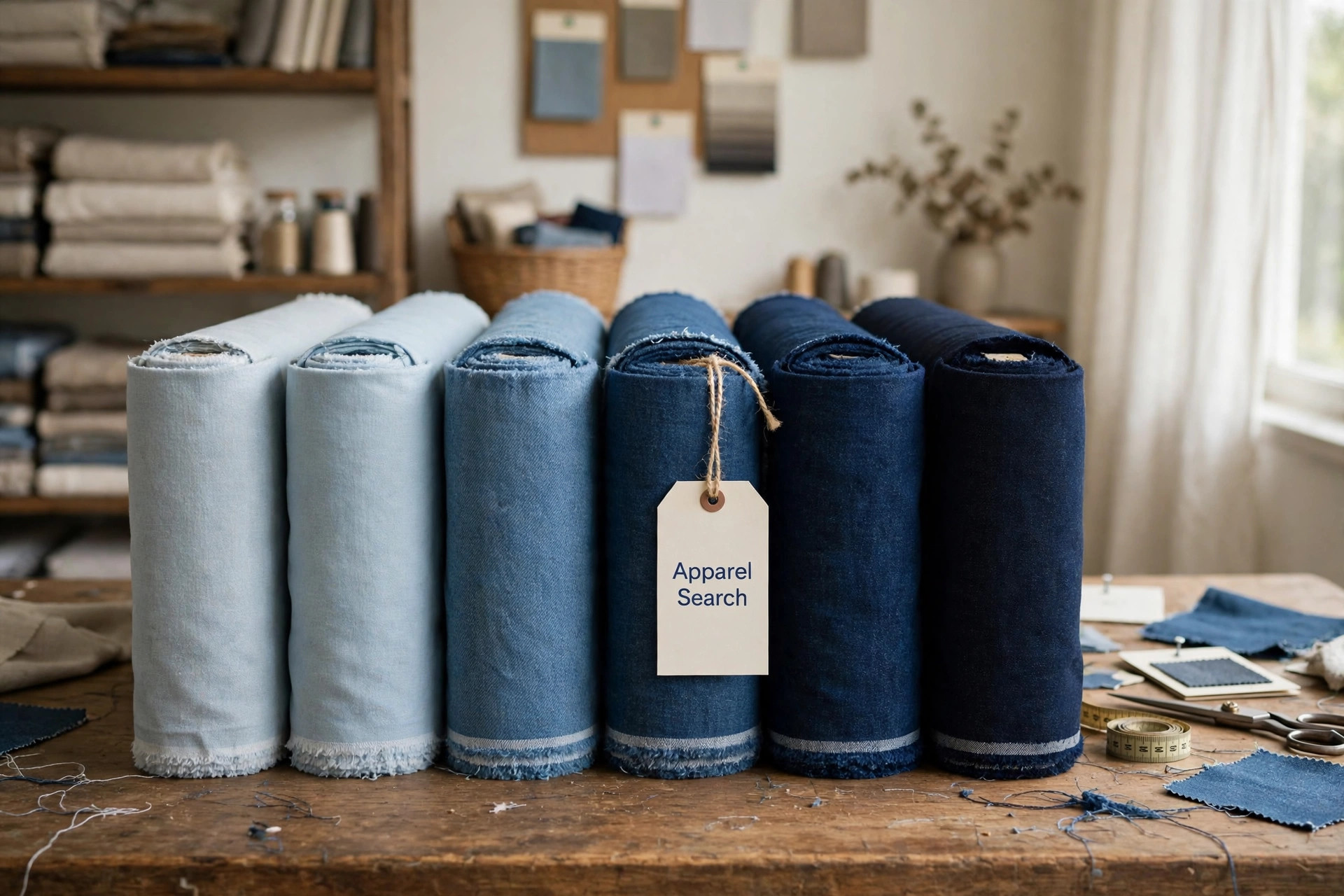
From Workwear Cloth to Fashion Staple
Denim's reputation was built on durability. When Levi Strauss and tailor Jacob Davis patented the riveted work pant in 1873, they chose denim because it could survive mining, ranching and railroad work. Miners' and farmers' jeans made the fabric a symbol of honest labor; film stars of the 1950s made it a symbol of rebellion; designers of the 1970s and 1980s made it fashion. Through every reinvention, the cloth itself barely changed — which is precisely why understanding the fabric matters more than following the styling. A pair of jeans is, before anything else, a piece of engineered cotton twill.
Reading a denim spec: the four numbers and terms that tell you the most are the weight in ounces per square yard, the fiber content (100 percent cotton or a stretch blend), the weave (right-hand, left-hand or broken twill), and the finish state (raw, sanforized, or washed). The guides in this section unpack each one.
Shopping & Fit Companions
This guide stays on the fabric side of denim. When you are ready to shop or to compare fits and styles, these Apparel Search guides pick up from the garment side — and mills and suppliers can be found in the fabric directory.
Jeans & Denim Garment Guides
Common Questions
What is denim made of?
Denim is traditionally 100 percent cotton, woven as a warp-faced twill. Modern denim often blends in a small percentage of elastane for stretch, or polyester for strength and wrinkle resistance, but classic denim is all cotton.
Why is denim blue on the outside and white on the inside?
Only the warp yarns — the lengthwise threads — are dyed indigo. The weft yarns that run across the fabric are left white, and because denim is warp-faced, the indigo warp covers the surface while the white weft shows on the reverse. That is also why denim fades the way it does: abrasion wears the indigo off the warp threads and the white core and weft show through.
What does the ounce weight of denim mean?
It is the weight of one square yard of the fabric. Lightweight denim under about 12 ounces is used for shirts and summer jeans, midweight denim of roughly 12 to 16 ounces makes most classic jeans and jackets, and heavyweight denim above 16 ounces is stiff, durable cloth favored for workwear and raw denim.
Is all denim the same fabric?
No. Denim varies by weight, weave direction (right-hand, left-hand and broken twill), loom type (modern wide looms versus narrow shuttle looms that produce selvedge denim), dye method, fiber blend and finish. Two fabrics can both be denim and behave very differently in wear, fading and care.
Related Guides
Denim does not live alone in the fabric library. The Garment Care Guide covers washing, mending and storing clothing of every fiber — with denim's own deep dive in this section — and the Textile Testing & Quality Standards guide explains how properties like shrinkage and colorfastness are measured in the lab. For elastane-blend and technical cloth, see the Performance Fabrics Guide.