Garment Care, Repair & Alterations
Making Clothes Last Longer
Longevity is mostly a set of habits: wash less and cooler, manage pilling and fading early, rest garments between wears, and repair with the math on your side.
A garment's lifespan is decided less by its price tag than by the accumulation of small treatments it receives — every wash temperature, every hanger, every ignored loose thread. This closing page of the Garment Care, Repair & Alterations Guide gathers the longevity habits that matter most, from sensible washing frequency to the moment you must decide whether a tired favorite deserves repair or retirement.
Wash Less, Wash Cooler, Wash Gently
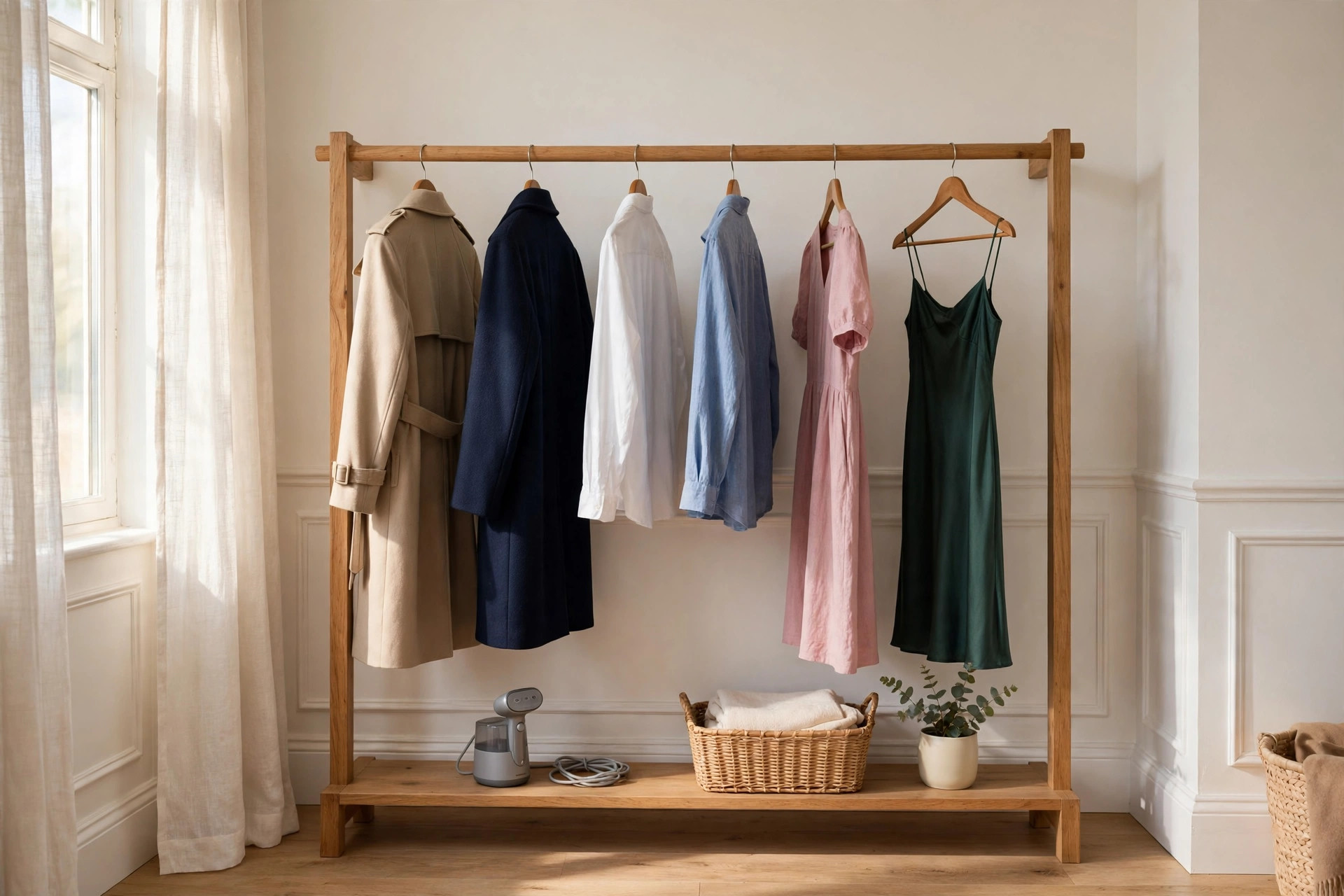
The washing machine is the most destructive environment most clothes ever meet: agitation abrades fibers, hot water fades dyes and fatigues elastic, and the dryer finishes the job with heat and tumbling. The single biggest longevity change is washing less often. Air garments after wearing — a night on a hanger near a window revives most day clothes — and spot-treat actual soil with the methods in the stain removal guide instead of laundering the whole garment for one mark. When you do wash, sort properly, use cold water for most loads, turn garments inside out so the visible face is protected, close zippers and hooks so they cannot snag neighbors, and use mesh bags for anything delicate. Air-dry whenever you can; if the dryer is necessary, use the lowest effective heat and remove clothes while faintly damp. None of this is precious — it is simply refusing to spend a garment's life in the laundry room.
Managing Pilling and Fading
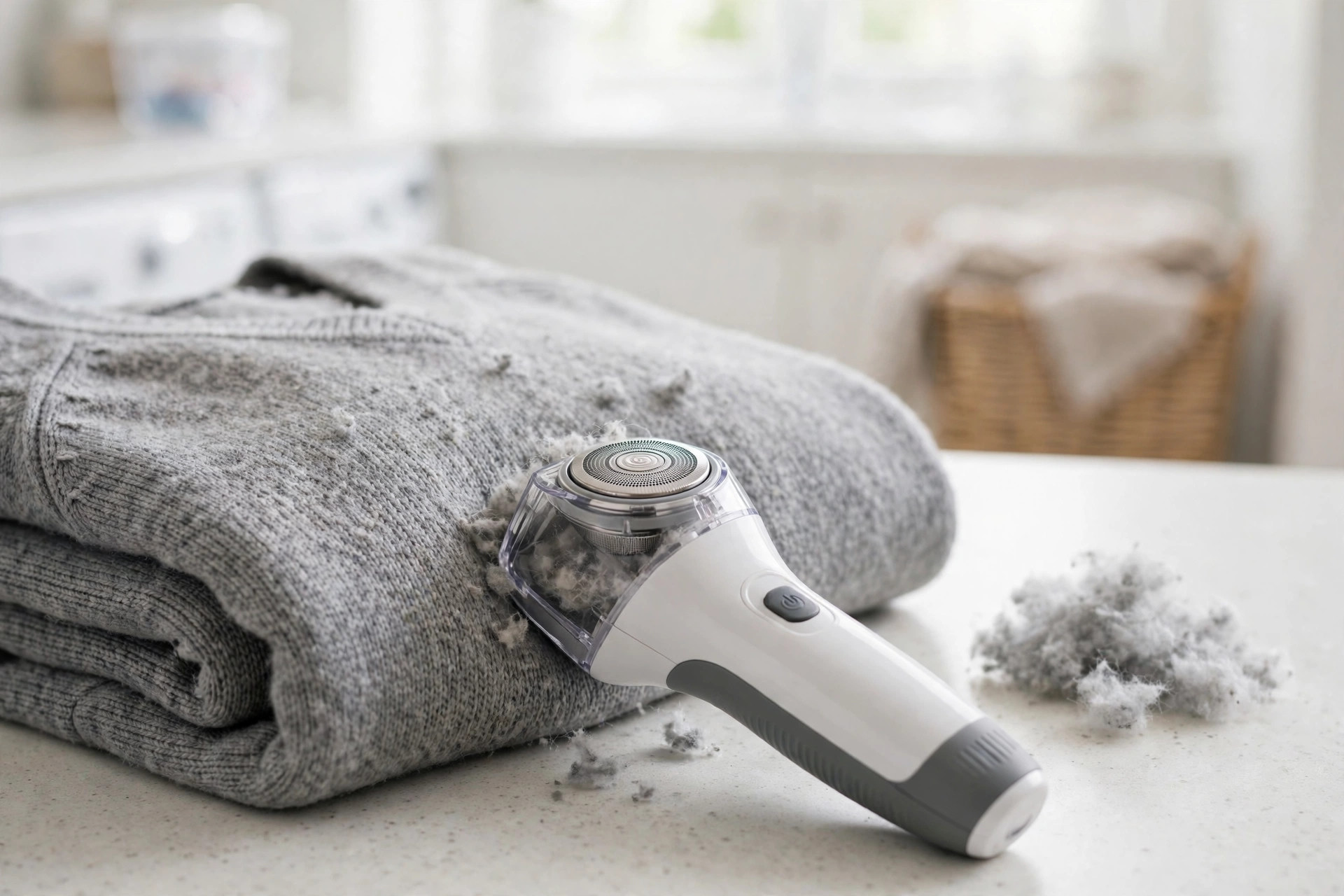
Pilling and fading are the two visible clocks on a garment's life, and both can be slowed. Pills form where short fibers work free and tangle under friction; they appear first where a bag strap crosses, at the sides under the arms, and wherever fabric rubs fabric. Washing inside out on gentler cycles and skipping the dryer slows new pilling considerably. Remove existing pills with an electric fabric shaver or a sweater comb — never pull them off by hand, which drags more fiber loose and thins the fabric. Fading is driven by sun, hot water and harsh detergent: wash dark garments inside out in cold water, dry them out of direct sunlight, and accept that deep black and navy repay a little extra care with years of extra depth. Neither process can be reversed, which is exactly why the early habits matter. The fabric-specific versions of this advice live in the fabric care guides.
Rest, Rotation and Small Repairs
Fibers have memory and fatigue. Elastic needs hours to contract back, knit structures relax back to shape, and shoes and garments alike benefit from a day of rest between wearings. A wardrobe worn in rotation ages evenly and slowly; a single favorite worn daily ages in a season. Pair rotation with prompt small repairs — the button, seam and zipper fixes in basic clothing mending — and store everything correctly in the meantime, following the clothing storage guide. Small attention, applied consistently, is the whole secret: there is no product that substitutes for it.
Repair or Replace? Let Cost Per Wear Decide
Sentiment argues for repair; thrift argues for replacement; arithmetic settles it. Cost per wear divides everything a garment costs you — purchase, repairs, cleaning — by the number of times you wear it. A coat repaired once and worn for five more winters has a cost per wear a fraction of its replacement's. Repair when the fabric is sound, the fit is right, and the fault is localized — a seam, zipper, hem or worn heel. Replace when the fabric itself has failed: cloth worn thin or shiny, elastic dead throughout a waistband, fading and pilling across the whole surface rather than at friction points. And when a garment does retire, retire it well — downgrade it to rougher duty, donate what is still serviceable, or recycle the textiles — rather than sending wearable clothing to landfill by default.
The Five-Minute Rule
Most longevity damage is five-minute work caught late: a button resewn, a stain blotted, a knit folded instead of hung, a spill wiped before it dries. Build the reflex of noticing and acting in the moment, and the bigger interventions in this guide become rare.
Common Questions
How often should clothes actually be washed?
Underwear, socks, workout clothes and anything against the skin in heat: every wear. Shirts and blouses: one to two wears. Trousers, skirts and sweaters: several wears, aired between. Jeans and outerwear: rarely — when they are soiled, stained or have lost their shape. Airing and spot-cleaning replace most in-between washes.
What causes pilling, and can it be stopped?
Pilling is short fibers working loose and tangling into balls where fabric rubs — sides, underarms, where a bag strap sits. It is worst on short-staple and blended fabrics. Reduce it by washing inside out on gentle cycles and avoiding the dryer; remove pills with a fabric shaver or sweater comb, never by pulling them off.
How does cost per wear help the repair-or-replace decision?
Divide a garment's total cost — purchase plus repairs and care — by the times it is worn. A repaired favorite usually keeps a very low cost per wear, while a replacement starts the count over at full price. If the repair is a fraction of replacement cost and the fabric is sound, repair wins.
Does rotating clothes really extend their life?
Yes. Elastic fibers, knit structures and shoe cushioning recover during rest; a day or two between wearings lets garments return to shape and fully dry. Wearing the same garment daily wears it out far faster than the same number of wears spread across a rotation.
Longevity Is a Buying Skill Too
The habits on this page start paying from the next purchase: a garment chosen for sound fabric and construction, then cared for well, will out-serve three careless replacements. Our consumer guide to cost comparison for fashion shopping shows how to spot that value before you buy.
More in This Guide
Back to the Garment Care, Repair & Alterations Guide
Washing, mending, alterations, fabric care and storage — the full guide in one place.