Garment Care, Repair & Alterations
Clothing Alterations Guide
What a tailor can change, what they cannot, and how to walk out of a fitting with a garment that fits the way you pictured it.
Almost every garment you own was made to fit a statistical stranger. Alterations are how a ready-made garment becomes your garment — and knowing what is possible before you visit a tailor is the difference between a satisfying fitting and an expensive disappointment. This page of the Garment Care, Repair & Alterations Guide sorts alterations into the routine, the difficult and the unrealistic, explains what happens at a fitting, and helps you judge when altering beats buying new. For the small fixes you can do at home first — hems that have dropped, buttons, seams — see our basic clothing mending guide.
Routine Alterations: The Everyday List
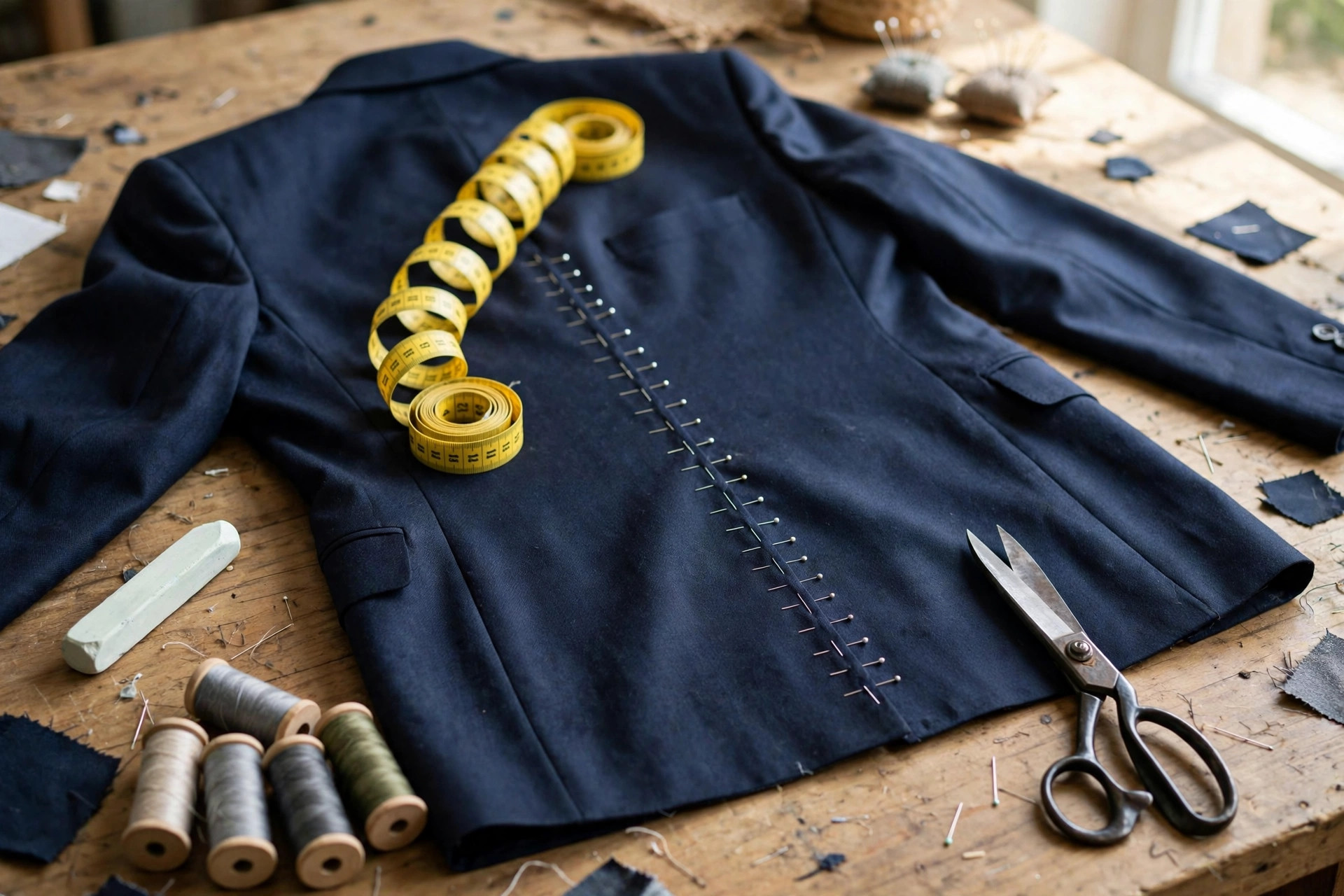
These changes use a garment's existing structure and seam allowances, and a competent tailor does them daily. Hemming — shortening trousers, skirts, dresses and sleeves — is the most common job in any alterations shop. Taking in a waist on trousers or a skirt, or the side seams of a dress or shirt, removes excess fabric where the garment already has seams to open. Tapering trouser legs or sleeves narrows them along their length. Shortening straps, replacing a broken zipper, and moving buttons are small jobs that freshen a garment's fit or function. Expect results on these to be predictable: the tailor can usually show you the finished fit with pins at your first visit.
Difficult, Expensive, or Impossible
Some requests fight the garment's construction. Shoulders are the frame of a jacket or dress: narrowing them means rebuilding the garment's structure, and the work often costs more than the garment justifies. Letting out is limited by the seam allowance hidden inside — usually a centimeter or two at most — because a tailor cannot create fabric that is not there. Changing a garment's fundamental proportions — turning a regular into a long, resizing by several sizes, moving pockets and closures after taking in a great deal — distorts the design's balance: pockets drift, patterns misalign, button stances land in the wrong place. Lengthening is capped by the hem allowance folded inside, and a visible crease line often betrays where the old hem sat. A good tailor will tell you plainly when a request falls in this territory; that honesty is a reason to keep them, not to argue.
What Happens at a Fitting
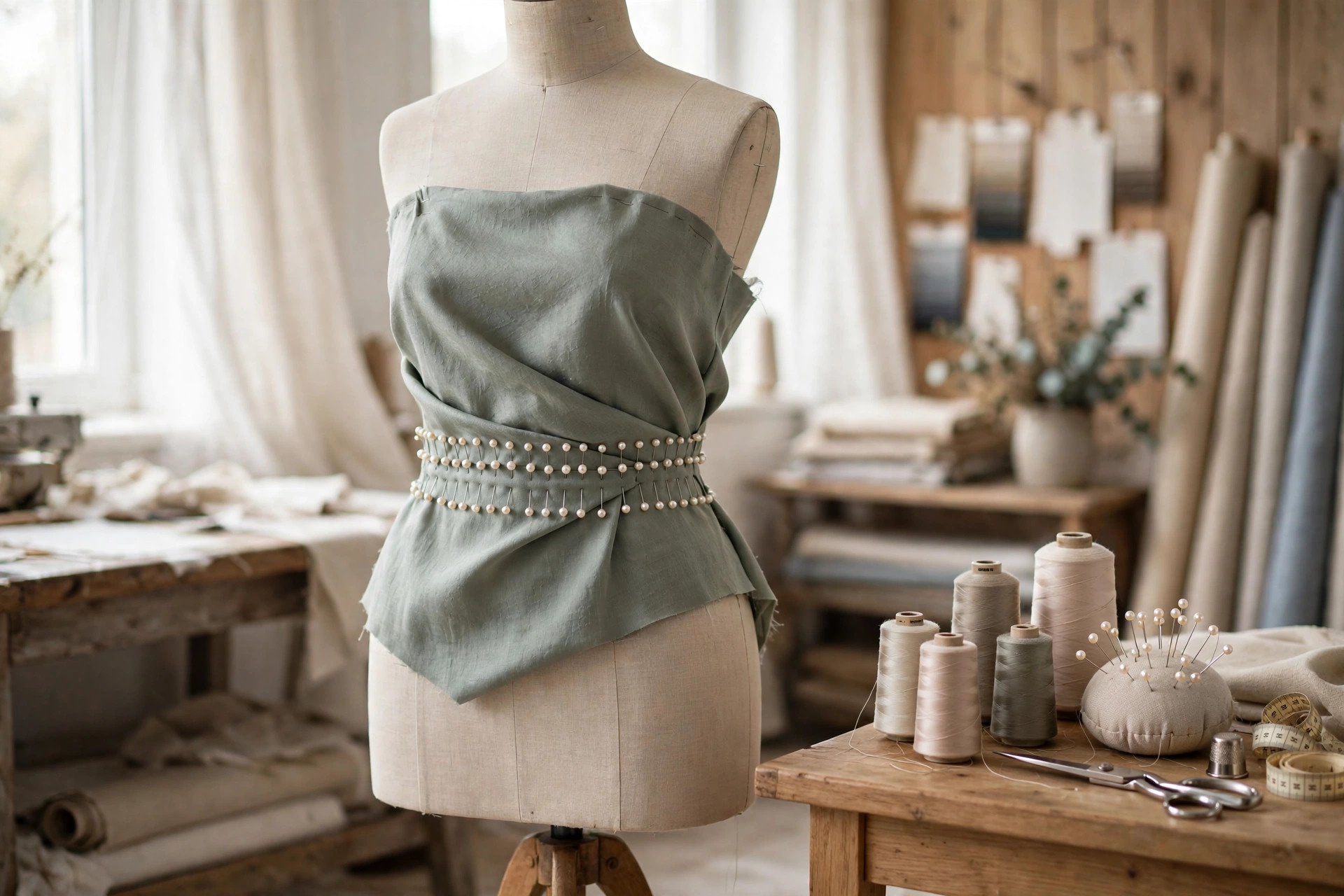
You will try the garment on — wearing the shoes and underlayers you plan with it — while the tailor pins the proposed changes and marks them with chalk. Move during the fitting: sit, walk, reach, bend. A fit that only works standing still in front of a mirror will annoy you in real life, and the fitting is the moment to discover that. Ask what the alteration will cost and how long it will take before the pins come out; reputable shops quote both on the spot. Prices vary widely by region, garment complexity and the shop, so treat any number you read as a ballpark that your local market may sit well above or below — the quote at your fitting is the real figure. Rush work near event seasons costs more and leaves less room for a second fitting, so bring formal garments in early.
Choosing and Briefing a Tailor
Start with one simple garment — a hem or a waist — before trusting a shop with tailored or sentimental pieces. Ask what work they do in-house, whether they specialize (bridal, menswear, leather and denim each have specialists), and whether a second fitting is included. Bring reference photos if you have a specific silhouette in mind, and be honest about how you wear the garment: a dress you dance in needs ease a portrait dress does not. If a quote seems to assume a simpler job than you described, say so — most disappointments in alterations are communication failures, not sewing failures. Understanding how sizes are constructed in the first place also helps set expectations; our sizing and fit guide explains why off-the-rack sizes vary so much between brands.
When Altering Beats Buying New
Alter when the garment's fabric and construction are good, the style still suits you, and the change needed is on the routine list — the result is a better fit than a replacement at a similar price would give. Buy new when the needed change is structural, the fabric is worn, or the garment no longer fits your life. A useful test: would you buy this garment today, in this condition, at the price of the alteration? If yes, alter it.
Common Questions
What alterations are easiest for a tailor to do well?
Hemming trousers and skirts, taking in a waist, shortening sleeves, tapering trouser legs, and adjusting straps and simple seams are routine work. These changes use the garment's existing seam allowances and structure, so results are predictable.
Can a tailor make a garment a full size smaller or larger?
Smaller, sometimes: a garment can usually be taken in one size or so before proportions, pockets and details fall out of place. Larger is limited by the seam allowance inside the garment — often only a centimeter or two — because fabric cannot be added where none exists.
Should I wash a new garment before having it altered?
Yes, if you will wash it in normal use. Shrinkage changes length and fit, so laundering first — exactly as you plan to care for the garment — means the tailor fits the garment you will actually wear.
What should I bring to an alterations fitting?
The shoes you will wear with the garment, the undergarments or layers that affect fit, and a clear idea of the result you want. Stand naturally during pinning and say promptly if a pinned fit feels tight when you sit or reach.
More in This Guide
Back to the Garment Care, Repair & Alterations Guide
Washing, mending, alterations, fabric care and storage — the full guide in one place.