Apparel Search · Consumer Guide
Thrifting & Secondhand Fashion
The practice of secondhand, start to finish — how to hunt through thrift stores, date and judge the vintage pieces you find, spot quality and fakes on the rack, and sell your own clothes well when their time with you is done.
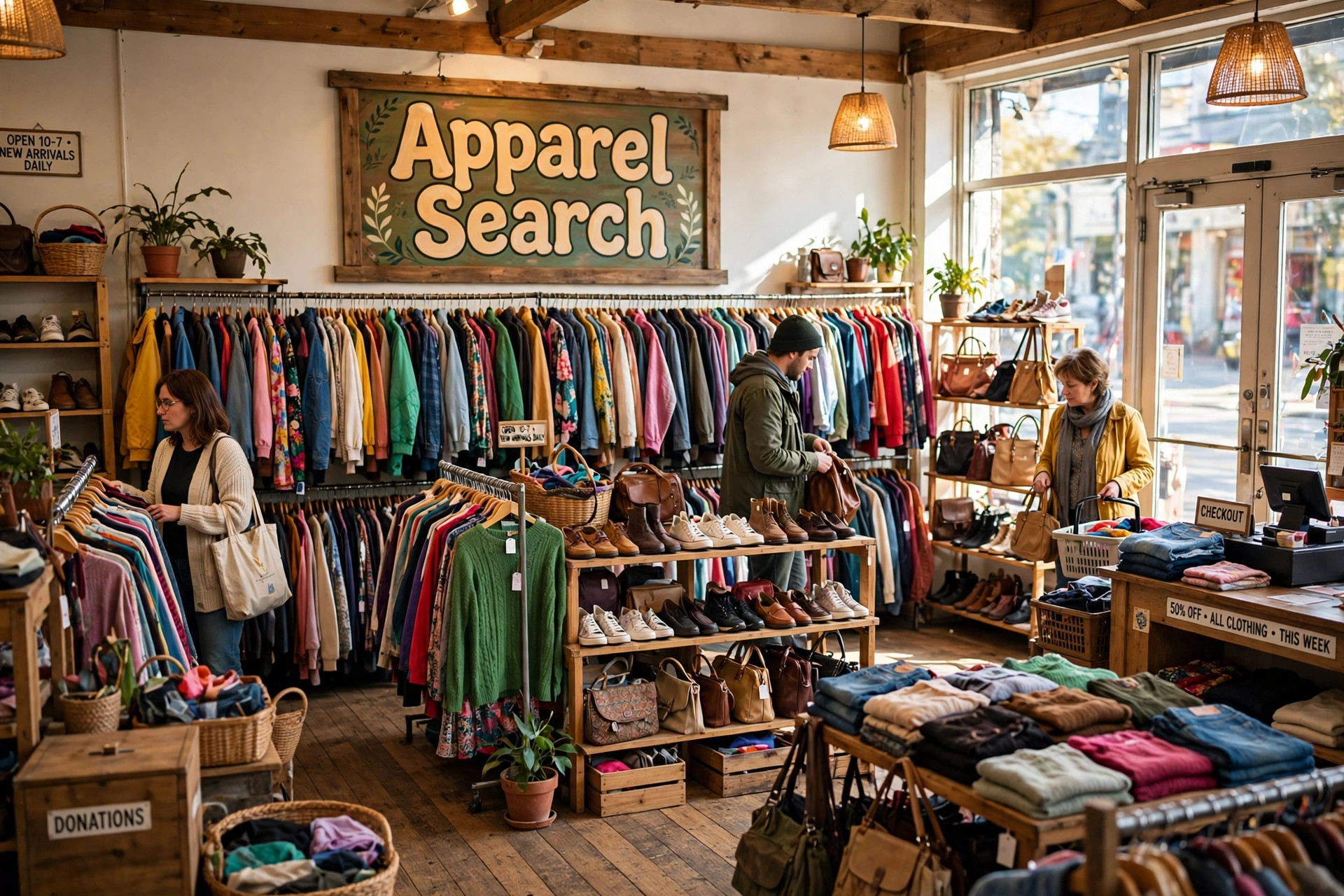
Secondhand used to be what you bought when you could not afford new. Today it is a first choice for millions of shoppers — for the prices, for the thrill of finding something nobody else has, and because wearing what already exists is the lightest footprint a wardrobe can have. The used-clothing market keeps growing year after year, and the racks have changed with it: a single thrift store rail can hold a fast-fashion top from last season, a union-made coat from the 1960s, and a designer piece priced by someone who did not recognize it. Buying used well is a skill, and like any skill it can be learned.
This guide teaches that skill as a complete practice. Apparel Search's clothes guides already cover vintage garments category by category — the women's vintage clothing guide and the men's vintage clothing guide walk through the dresses, denim, coats and suits of each era. This cluster covers what you do with those garments: finding them, figuring out how old they really are, judging whether they are well made or faked, and eventually selling them on to their next owner.
Secondhand, Defined
Secondhand clothing is any garment that has had a previous owner and is being resold, donated or passed on. It reaches you through three main kinds of shop — thrift stores, consignment shops and vintage shops — plus a fast-growing world of online resale. The three shop types work on completely different business models, which is why the same coat can be priced at $8 in one and $180 in another. The shop types guide explains the difference.
The Five Guides in This Cluster
Each guide below takes one part of the secondhand practice in depth. Together they follow a garment's whole second life — from the rack, to your closet, to its next owner.
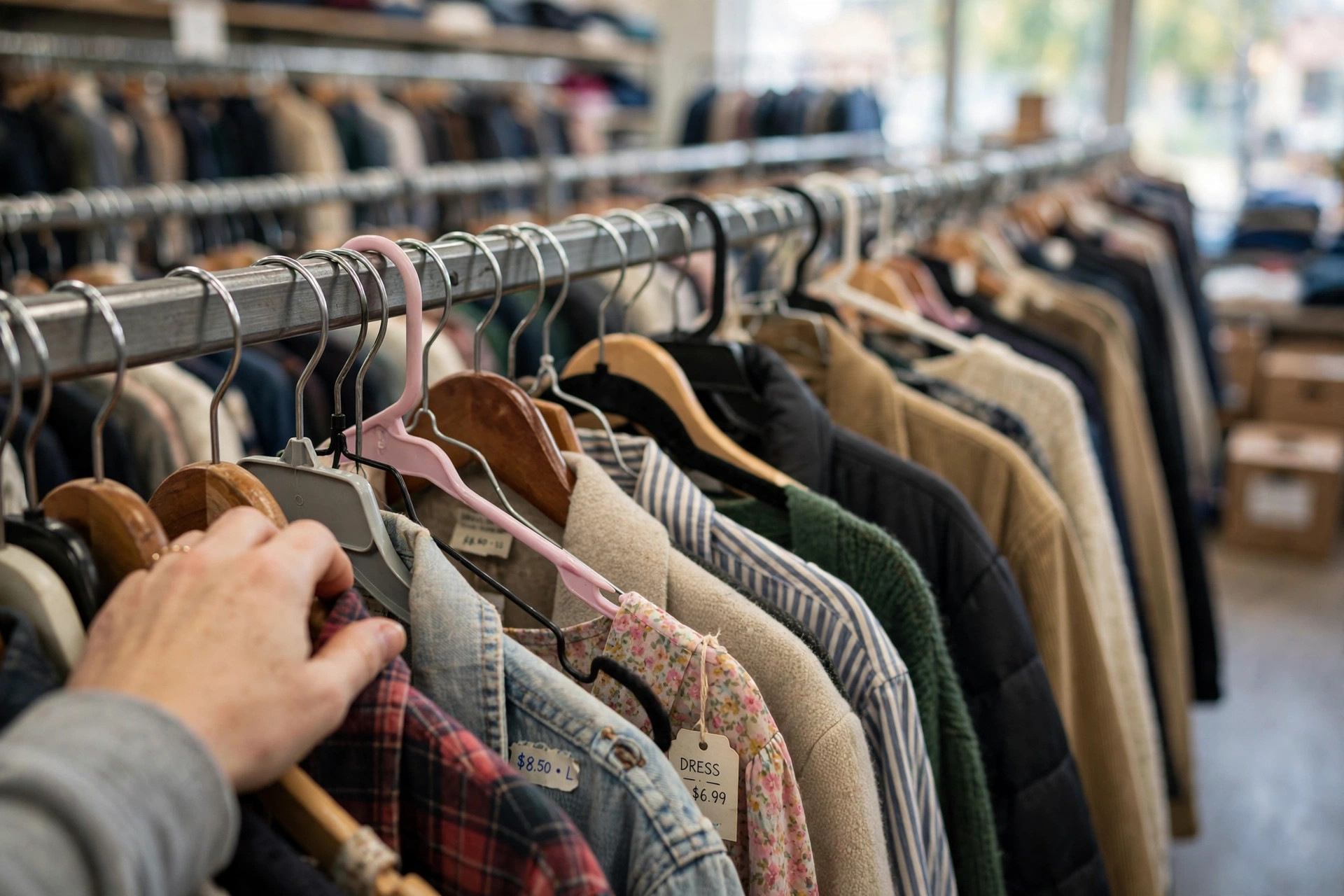 How to Thrift Shop for ClothesThe hunt itself: how to prepare, work a store section by section, inspect as you go, and know what to leave behind.
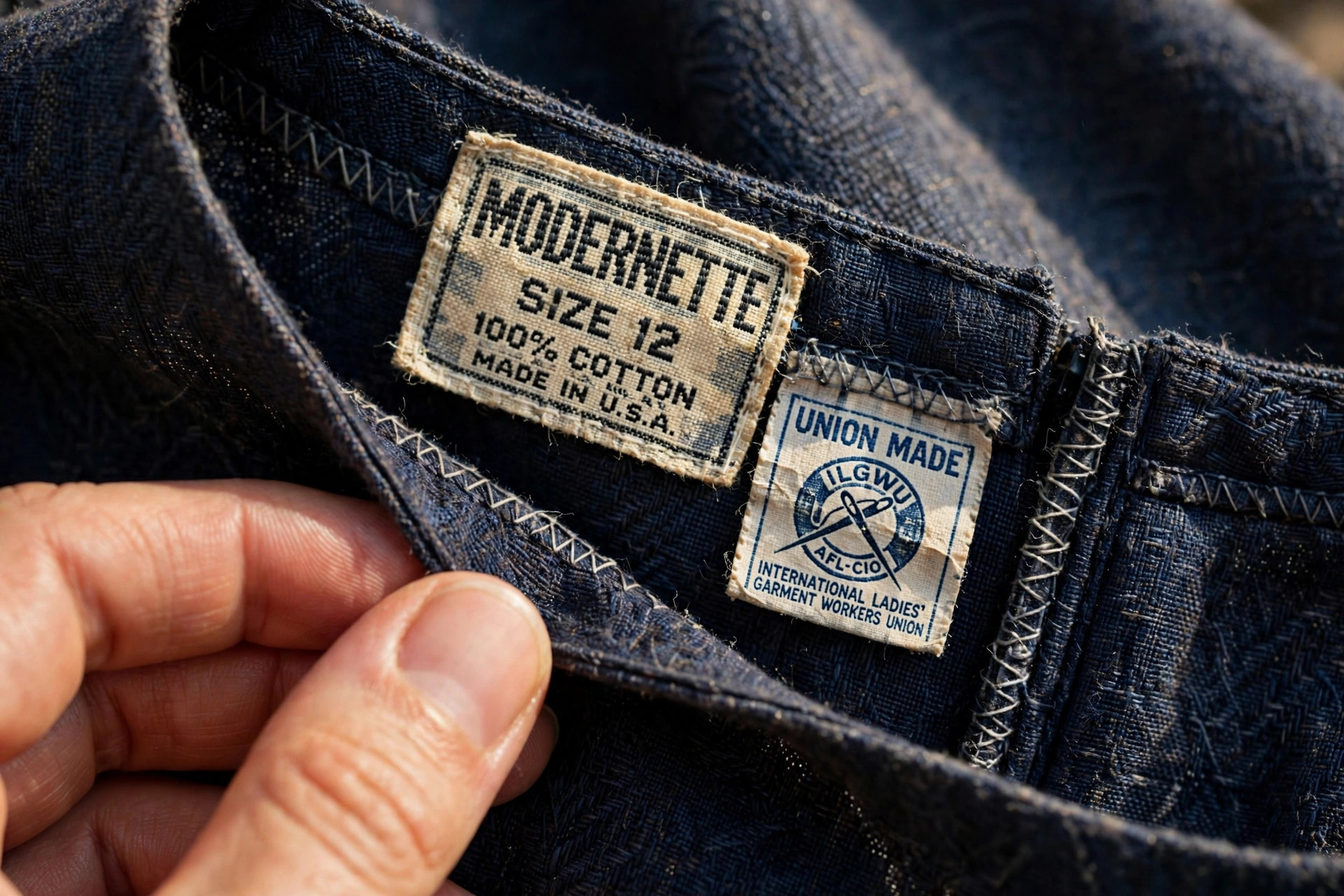 How to Date Vintage ClothingUnion labels, RN numbers, care-label history, zippers and seams — the evidence that tells you how old a garment really is.
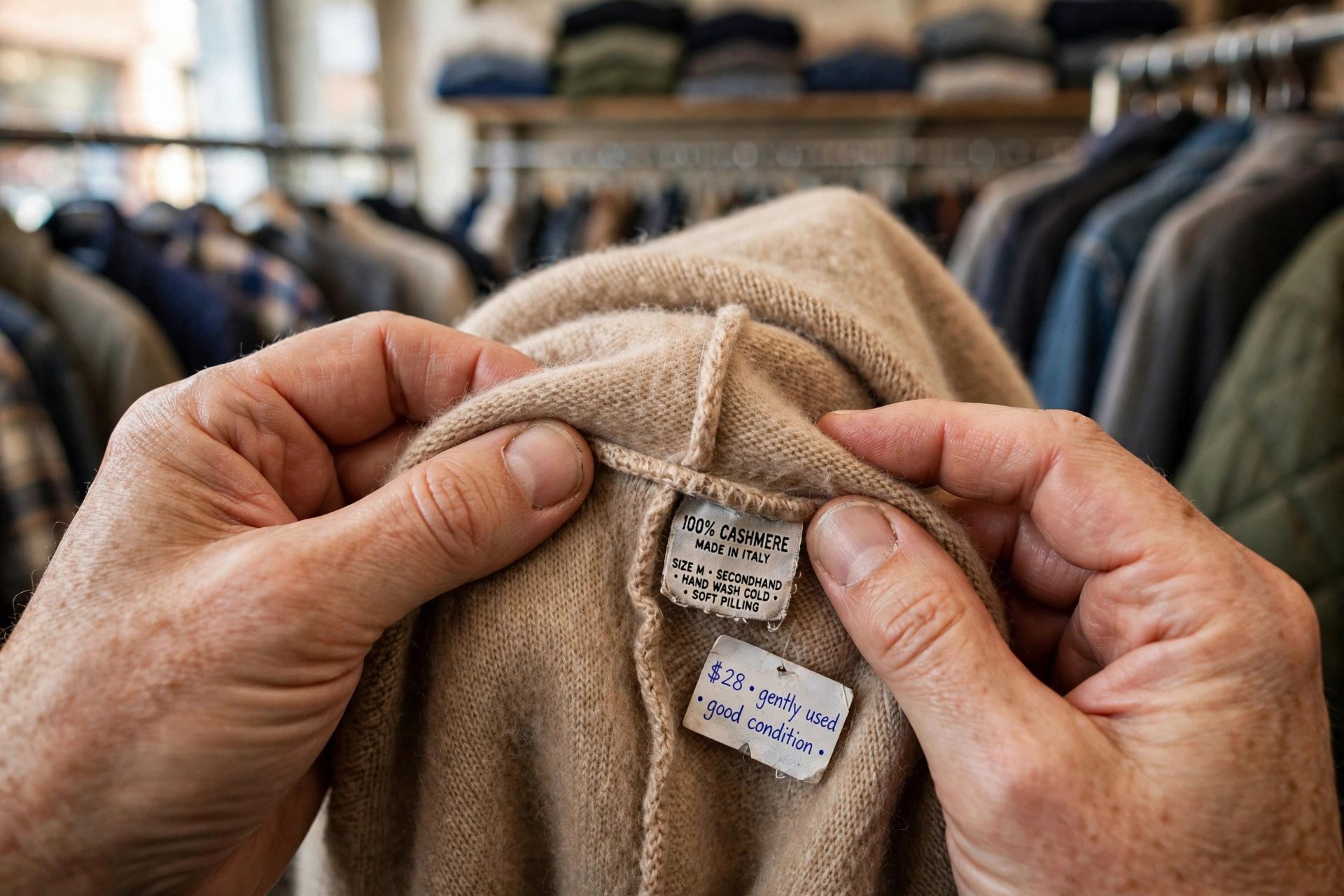 Spotting Quality & Fakes in Secondhand ClothingThe construction checks that separate a well-made find from a worn-out one — and a genuine designer piece from a counterfeit.
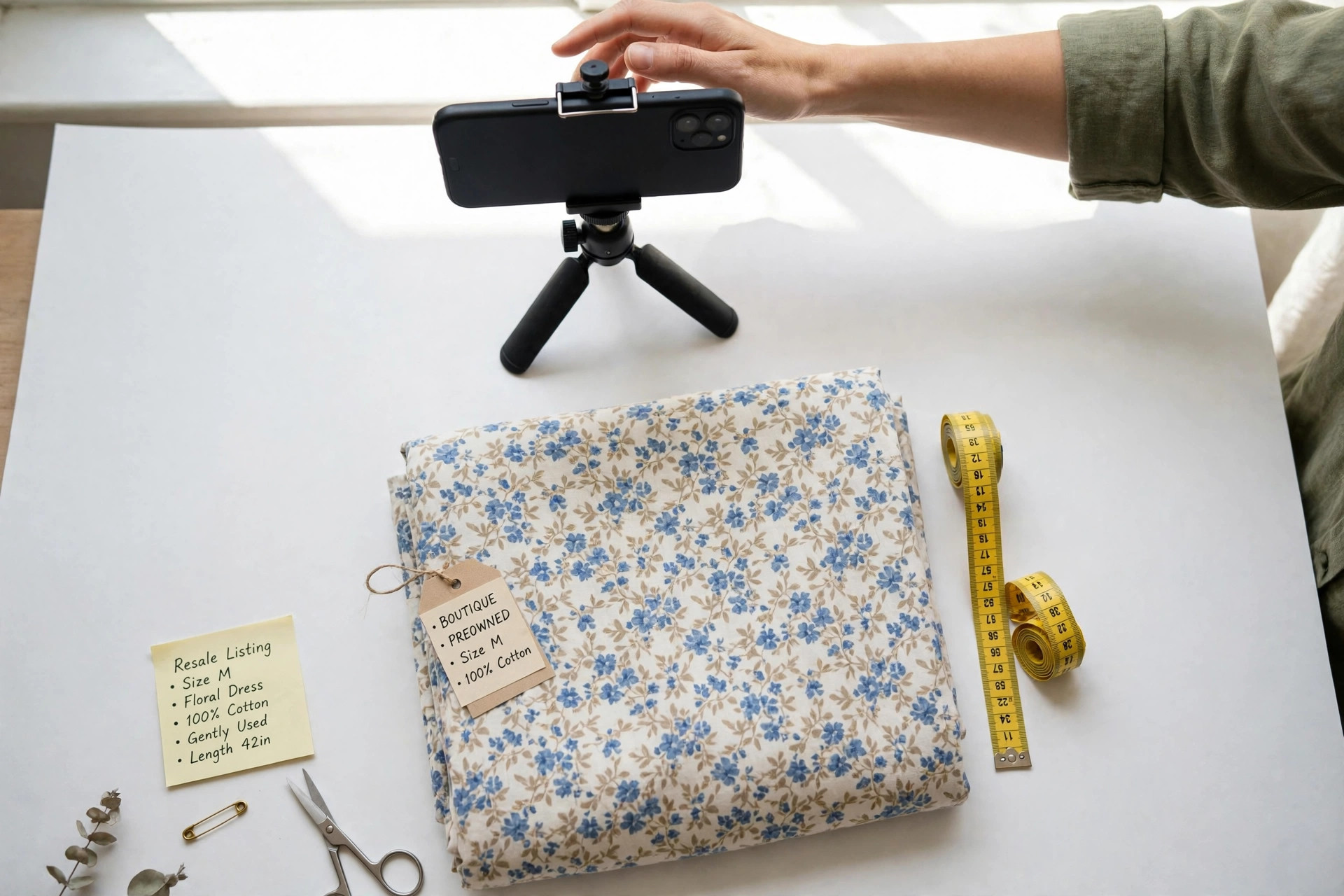 Selling Your Clothes SecondhandChannels, pricing and presentation: how to turn the clothes you no longer wear into money instead of closet clutter.
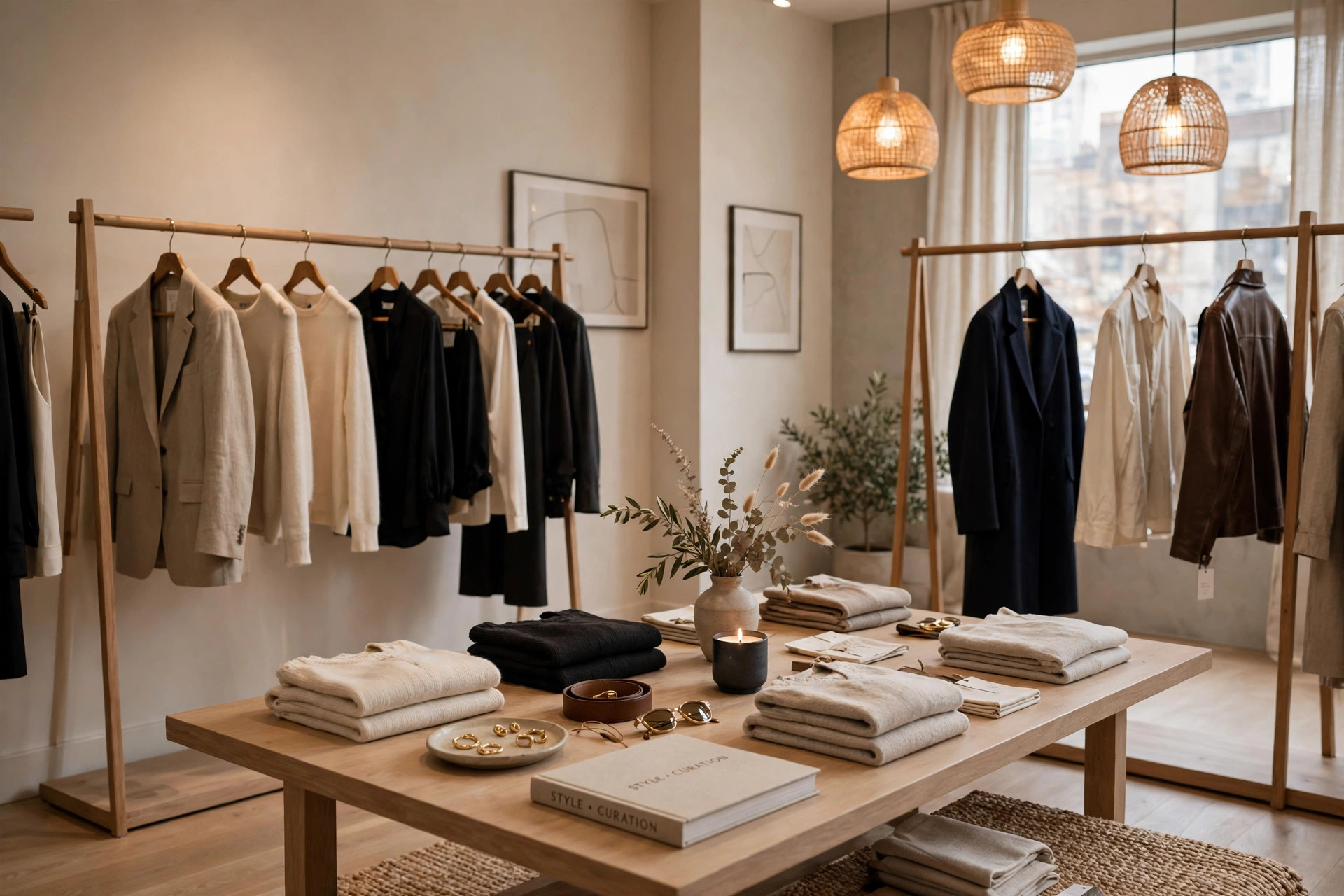 Thrift Stores vs Consignment vs Vintage ShopsThree business models, three kinds of stock and prices — which shop serves a buyer best, and which pays a seller best.
The Secondhand Workflow
Good thrifters run the same quiet routine on every find. First comes the hunt: working the racks in a deliberate order rather than drifting, and pulling anything that passes a first fabric-and-color scan. Then the judgment: seams, lining, fabric and fastenings get a close look in good light, because condition is what a low price can never fix. If the piece looks old, the dating evidence comes next — labels, union tags, zipper types and seam finishes narrow down its era, which decides both its value and how it should be cared for. And once a piece comes home, it earns its keep longest when it is cleaned and stored properly; the fabric care guides cover wool, silk and delicates in depth.
None of this takes long once it becomes habit. A practiced shopper can work a full clothing section in twenty minutes and leave with the two or three pieces in the store that were genuinely worth having — often including the best-made garment in the building, priced like the worst, because secondhand pricing rarely accounts for construction quality. That gap between price and quality is exactly what the quality guide teaches you to exploit.
Why Secondhand, Why Now
Three forces keep pushing shoppers toward used clothing. The first is economic: a quality garment bought secondhand commonly costs a fraction of its new equivalent, and the cost-per-wear math that rewards buying well-made clothes works even better at thrift prices. The second is sustainability — the fashion industry's footprint shrinks every time a garment's life is extended instead of replaced, a principle Apparel Search explores in its sustainable fashion section. The third is simple pleasure: secondhand racks are the last place in retail where you genuinely do not know what you will find.
Selling Is the Other Half
A healthy secondhand wardrobe is a loop, not a hoard. The clothes you have stopped wearing are inventory: priced and presented well, they fund your next finds and keep good garments in circulation. The selling guide walks through choosing a channel for each kind of piece, pricing from evidence rather than hope, photographing and describing honestly, and the small habits that separate sellers whose listings move from sellers whose listings sit. If you have ever wondered whether the local consignment shop or an online marketplace would treat a particular piece better, that guide and the shop-types comparison will answer it together.
Related Guides on Apparel Search
Common Questions
What does “vintage” actually mean?
In clothing, vintage generally means a garment at least 20 years old that represents its era well — a 1990s band tee or a 1970s maxi dress, for example. Pieces 100 years old or more are usually called antique. The word gets stretched in listings, so treat it as a claim to check against labels and construction, not as a fact — the dating guide in this cluster shows how.
Is it safe and hygienic to wear secondhand clothing?
Yes, with ordinary care. Wash or clean secondhand clothing before wearing it, just as you would a new garment that has been handled in a store. Most fabrics tolerate a normal wash; delicate or very old pieces may need gentle hand washing or professional cleaning. Avoid buying items with strong odors, visible mold or moth damage, since those problems are difficult or impossible to reverse.
Why is buying secondhand considered sustainable?
Every used garment that finds a new wearer is one that does not go to landfill and one fewer new garment that needs to be produced, with all the water, energy and materials new production requires. Extending the active life of clothing is one of the simplest ways to shrink fashion's footprint, which is why secondhand shopping sits at the heart of circular fashion.
What is the difference between a thrift store, a consignment shop and a vintage shop?
A thrift store sells donated goods it owns, usually cheaply and in mixed condition. A consignment shop sells clothing on behalf of its owners and splits the proceeds, so its stock is more selective. A vintage shop buys and curates older clothing itself and prices it as collectible fashion. Our shop-types guide compares all three for buyers and sellers.
Start With the Hunt
If you read only one guide in this cluster, make it How to Thrift Shop for Clothes. Every other skill here — dating, judging, selling — starts with learning to work a rack of used clothing with a plan.