Men's Vintage Clothing Guide
Vintage clothing is bought garment by garment: a shirt, pair of trousers, sweater or jacket from an earlier period, chosen for its fabric, cut and remaining life. This guide takes the practical wardrobe view, showing how to assess each piece on its own merits, spot the wear that matters, and build a usable rotation instead of a costume collection. The aim is clothing that earns regular wear alongside modern basics, not fragile novelty bought on impulse.
Shop Men's Vintage Clothing Now
Shop Men's Vintage Clothing on Amazon Shop Men's Vintage Clothing on eBayThe Amazon and eBay links on this page are affiliate links. If you make a purchase through them, Apparel Search may earn a commission.
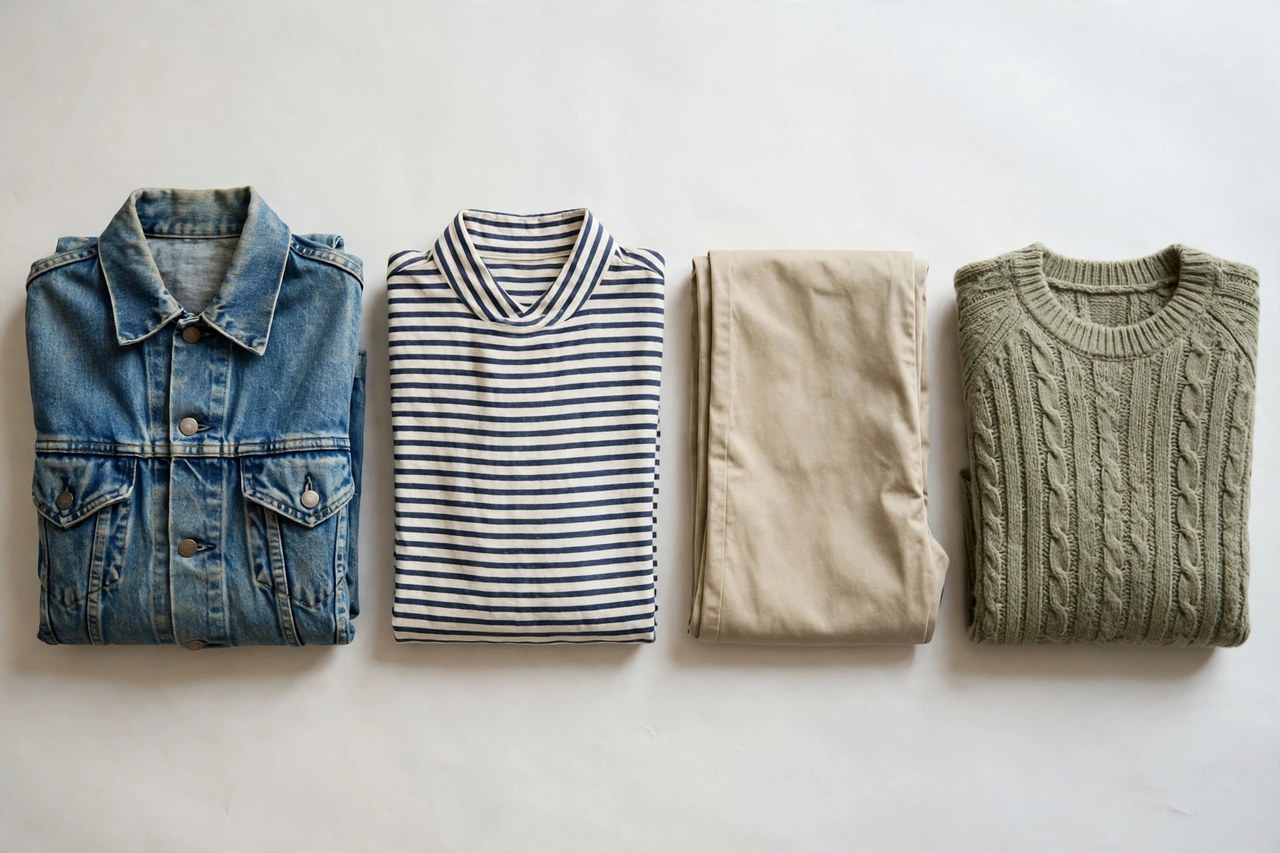
Vintage clothing is bought garment by garment: a shirt, pair of trousers, sweater or jacket from an earlier period, chosen for its fabric, cut and remaining life. This guide takes the practical wardrobe view, showing how to assess each piece on its own merits, spot the wear that matters, and build a usable rotation instead of a costume collection. The aim is clothing that earns regular wear alongside modern basics, not fragile novelty bought on impulse. This guide is built around the questions buyers actually ask: which style, which size, which fabric, and what will it look like after a year of real use - answered in order, with the trade-offs stated plainly.
Styles and Construction
Inspect each garment at its known failure points: collar edges and underarms on shirts, seat, knees and inner thighs on trousers, elbows and cuffs on knitwear, and button attachments everywhere. Hold fabric to the light to reveal thinning, check seams by gentle tension, and smell for stored damp or smoke that washing may not remove. Honest descriptions use grades such as mint, excellent, good and fair, always backed by photographs of flaws, repairs and labels.
The durable buying order is job, specification, budget - in that sequence. Decide what the garment must do, translate that into fiber, weight, construction and size numbers, and only then shop price. Read labels as specifications, inspect the garment inside out where finishing is unposed, and prefer the maker who publishes measurements to the one who publishes adjectives. A garment that matches your measurements, climate and laundry will be worn; one that misses any of the three becomes expensive storage.
Fit and Sizing
Older clothing was graded and cut to different bodies and conventions, so vintage sizes run smaller and proportions differ, with higher rises, narrower shoulders and shorter lengths common in some periods. Never trust the tag alone: compare flat measurements with your best-fitting modern garment, allowing for the fact that cotton and denim may already have shrunk decades ago. A tailor can refine waist and length, but cannot add cloth that was never there.
Measure yourself once a year and keep the numbers - chest, waist, inseam, foot, head - because bodies drift gradually while size habits never do. Shop from measurements, try garments under real conditions (over layers, in your own shoes, late in the day for footwear), and be honest about alterations: lengths and small waist changes tailor beautifully; shoulders, rises and patterns are the garment you bought forever.
Wearing and Care
Wash vintage clothing gently, cool and infrequently, separating strong colors and turning pieces inside out to protect surfaces and buttons. Use mild detergent, avoid harsh wringing, reshape while damp and dry away from direct heat and sunlight. Store folded knits, hang woven shirts and trousers with support, and keep everything clean before storage. Repair a loose button or small seam split immediately, because old thread and fabric deteriorate faster once a weakness starts pulling.
Five minutes when a garment comes off - shake it out, hang or fold it correctly, note the stain and the loose button - prevents most of the damage later blamed on quality. Keep a small kit where the clothes live: brush, lint roller, conditioner suited to your leathers, black, navy and grey thread. Clothing rarely dies at once; it fades by small neglects, and small attentions reverse the process at the same pace.
Common Questions
How do I start building a vintage wardrobe?
Begin with versatile, durable pieces that fit your modern wardrobe: a wool jacket, straight trousers, a woven shirt and sturdy denim. Buy one category at a time, confirm the measurements work, and wear each piece before buying more. This approach reveals which eras and cuts suit you and prevents a closet of unrelated bargains.
What flaws should make me pass on a garment?
Walk away from thinning fabric at stress points, shattered silk or lining, widespread moth damage, cracked leather, dead elastic and stains at collars or underarms that have set through many washes. Small repairs, a missing button or a neat darn are acceptable. Structural weakness is not character; it is a short remaining life.
Can vintage clothing be altered to fit?
Yes, within limits. Hemming, taking in a waist, shortening sleeves and tapering a leg are routine. Letting out depends on seam allowance, and shoulders, chest and rise are difficult and costly to change. Buy for the shoulders and chest first, then tailor the easy dimensions, and ask a tailor before purchasing doubtful pieces.
More in Men's Clothes Guide V
Background
Clothing (also called clothes and attire) is fiber and textile material worn on the body. The word vintage was first used in the early 15th century. It was taken from the Old French vendage, meaning wine harvest. This word was taken from the Latin vinum (wine) and demere (to remove). However, the term is not only regarding wine. Vintage clothing is a generic term for garments originating from a previous era. The phrase is also used in connection with a retail outlet, e.g. "vintage clothing store." Generally speaking, clothing which was produced before the 1920s is referred to as antique clothing and clothing from the 1920s to 20 years before the present day is considered vintage. Retro, short for retrospective, or "vintage style" usually refers to clothing that imitates the style of a previous era. Reproduction, or repro, clothing is a newly made copy of an older garment. Clothing produced more recently is usually called modern or contemporary fashion. Learn the difference between vintage fashion and antique clothing.
Looking for Men's Clothing Stores?
This guide explains men's vintage clothing. To browse where to buy, visit our men's clothing store directory, where you can find retailers that carry them.