Apparel Search Consumer Guides
Clothing Rental Guide
Occasion rental, subscription rental and rent-to-own — how each model works, what it really costs, and the questions to ask first.
Renting clothes means wearing them without owning them — and for a growing number of wardrobes, that trade makes sense. A formal gown worn once, a suit needed for a single weekend, a stream of fresh work outfits that never has to be bought, stored or dry-cleaned at home: rental turns clothing from a purchase into a service. The idea is old — formalwear rental shops have rented tuxedos and gowns for generations — but it now comes in several distinct forms, and choosing the right one depends on knowing how each model actually works, what it really costs, and where the fine print hides.
This guide maps the rental landscape. The pages below go deeper: occasion and dress rental step by step, subscription services explained model by model, an honest rent-versus-buy calculation, and — for readers on the industry side — what it takes to run a rental business of your own.

Search Apparel Search
The Guides in This Section
 How Dress Rental WorksOccasion rental step by step: reserving ahead, fit windows, delivery and return, and what damage and late fees really mean.
 Clothing Subscription Services ExplainedRotating rental closets, styled boxes and rent-to-keep discounts — how the subscription models differ, and the pause and cancel realities.
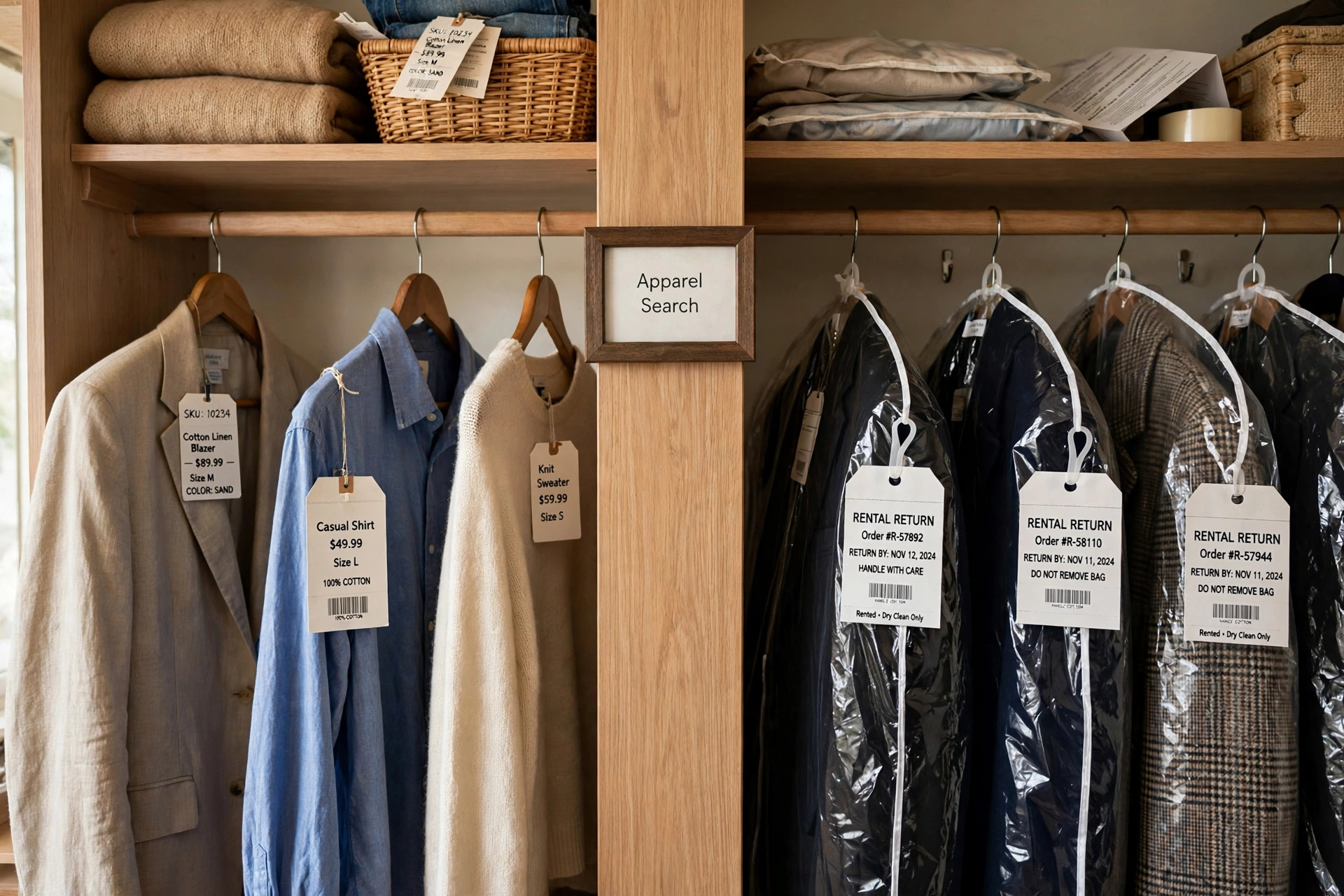 Renting vs. Buying ClothesThe math, honestly done: cost per wear applied to rental, the occasions where renting wins, and the staples where buying still wins.
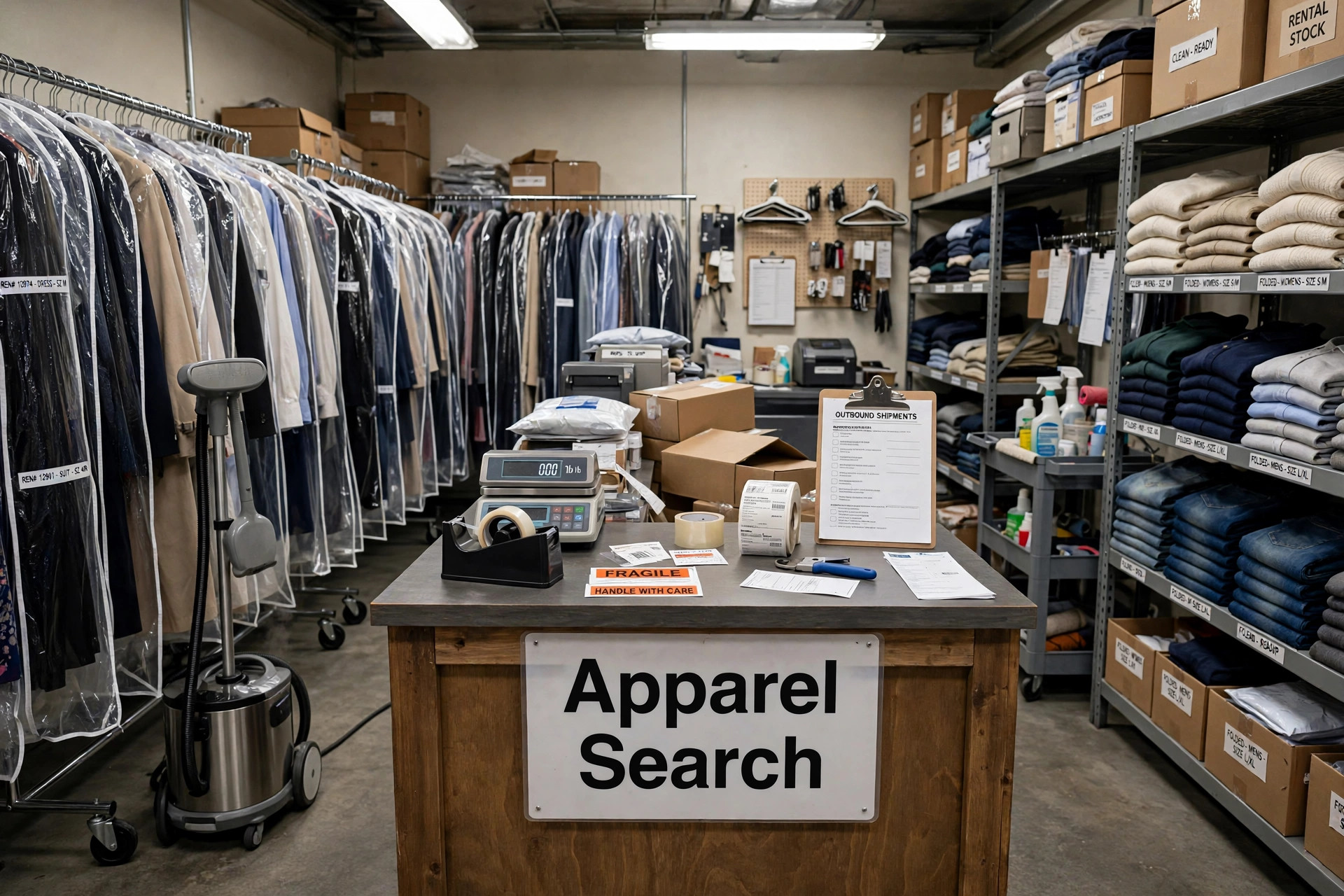 Starting a Clothing Rental BusinessFor industry readers: inventory depth, cleaning and logistics, pricing, deposits and insurance — the operating side of rental.
Three Ways to Rent
- Occasion rental. One garment, one event, a fixed window — commonly a few days around the date you need it. This is the classic model, now mostly online: pick a dress or suit, reserve it for your date, wear it, return it. It suits weddings, galas, proms, photo shoots and job interviews — anywhere the outfit matters more than owning it. Our dress rental guide walks through the whole process.
- Subscription rental. A monthly fee for an ongoing rotation: a set number of pieces in your hands at a time, exchanged as often as the plan allows. The appeal is variety — work clothes, weekend pieces and occasion dresses flowing through one membership — and the trade is commitment: the fee runs whether you swap pieces or not. Our subscription guide separates the rotating-closet model from styled boxes and rent-to-keep discounts.
- Rent with a purchase option. Many rental services let you buy a piece you have rented, sometimes at a discount that reflects its rental history, and some subscriptions apply part of your fee toward purchases. Read the terms carefully: the purchase price, how wear is assessed, and whether the option survives the end of a membership all vary. It can be a sensible way to try a garment in real life before committing — or an expensive way to drift into buying things you only liked as rentals.
Who Each Model Suits
Occasion rental suits anyone facing a one-wear event in a garment they would never repeat: wedding guests, gala and prom dressing, maternity occasion wear for a body that will change again in weeks, and the statement piece bought for a single set of photographs. Subscription rental suits people whose clothing needs rotate constantly — public-facing jobs, frequent events, fast-changing sizes — and who enjoy newness more than ownership. Neither model suits the daily staples: the coat you wear ninety days a year and the jeans that fit perfectly are almost always cheaper bought, as the renting vs. buying comparison works out in numbers.
Questions to Ask Before You Sign Up
Whatever the model, the same handful of terms decides whether a rental is a bargain or a trap. Ask — and find the answers in writing, not in marketing copy — before the first garment ships:
- What is the full cost? Rental fee or subscription, shipping both ways, and any service or handling charges, added together.
- What happens if it is damaged? Minor wear is usually absorbed; serious damage is usually charged, sometimes up to the garment's retail value. Is a damage waiver or protection plan offered, and what does it exclude?
- What if it is late back? Late fees are commonly charged per day, and a very late return can be treated as a loss.
- Who cleans it? With nearly all services, cleaning is included and you must NOT wash or dry-clean the garment yourself — home cleaning can itself count as damage.
- What if it does not fit? Look for backup sizes, exchange windows and credit policies, and know them before your event date depends on them.
- How does pausing or cancelling work? For subscriptions: is there a pause option, when does billing stop, and what happens to pieces still in your hands?
Common Questions
Is renting clothes cheaper than buying them?
For garments you would wear once or twice, usually yes by a wide margin: a rental fee is typically a fraction of the purchase price, and cleaning is included. For clothes you wear weekly, almost never — repeated rental fees pass the purchase price quickly, and you own nothing at the end. The honest measure is cost per wear, worked through in our renting vs. buying guide.
Do I have to clean rented clothes before returning them?
No — and you should not try. Professional cleaning after every rental is a core part of the service and is priced into the fee. Washing or dry-cleaning a rental yourself can damage specialty fabrics and finishes, and some services treat unauthorized cleaning as damage. Your job is only to return the garment on time, in the condition normal wear leaves it.
What happens if I damage a rented garment?
It depends on the degree. Minor, repairable wear — a loose thread, a small mark that comes out in cleaning — is generally absorbed as a cost of the business. Significant damage, from a torn seam to a permanent stain, is generally charged at repair cost, and damage beyond repair or a lost garment can be charged up to its retail replacement value. Many services sell an optional damage waiver; read what it excludes before deciding it is not worth taking.
Can I buy a rented piece if I fall in love with it?
Often, yes. Many rental services offer a purchase option on rented pieces, sometimes priced below retail to reflect the garment's rental history, and some subscription plans apply part of the monthly fee toward purchases. The price basis and the deadline for exercising the option are set by each service's terms — check them before the return date, not after.
Rent, Buy, or Buy Used?
Rental is one of three ways to dress beyond buying new. The honest comparison — with real cost-per-wear arithmetic — is in our renting vs. buying guide, and the secondhand route has its own full treatment in our thrifting and secondhand fashion guide.