Apparel Search Consumer Guides
How Dress Rental Works
Occasion rental step by step — reserving, fit, delivery, the event itself, and the return — with the fine print translated.
Occasion rental is the oldest form of clothing rental and still the most useful: one special garment, reserved for one date, worn once and returned. Dresses dominate it — wedding-guest dresses, gala gowns, prom and cocktail dresses — along with their formalwear cousins, suits and tuxedos. The process is simple on the surface, but the details decide how it feels: reserve too late and your size is gone; misunderstand the rental window and a late fee eats the savings. This page walks through every step, in order, as part of our clothing rental guide.
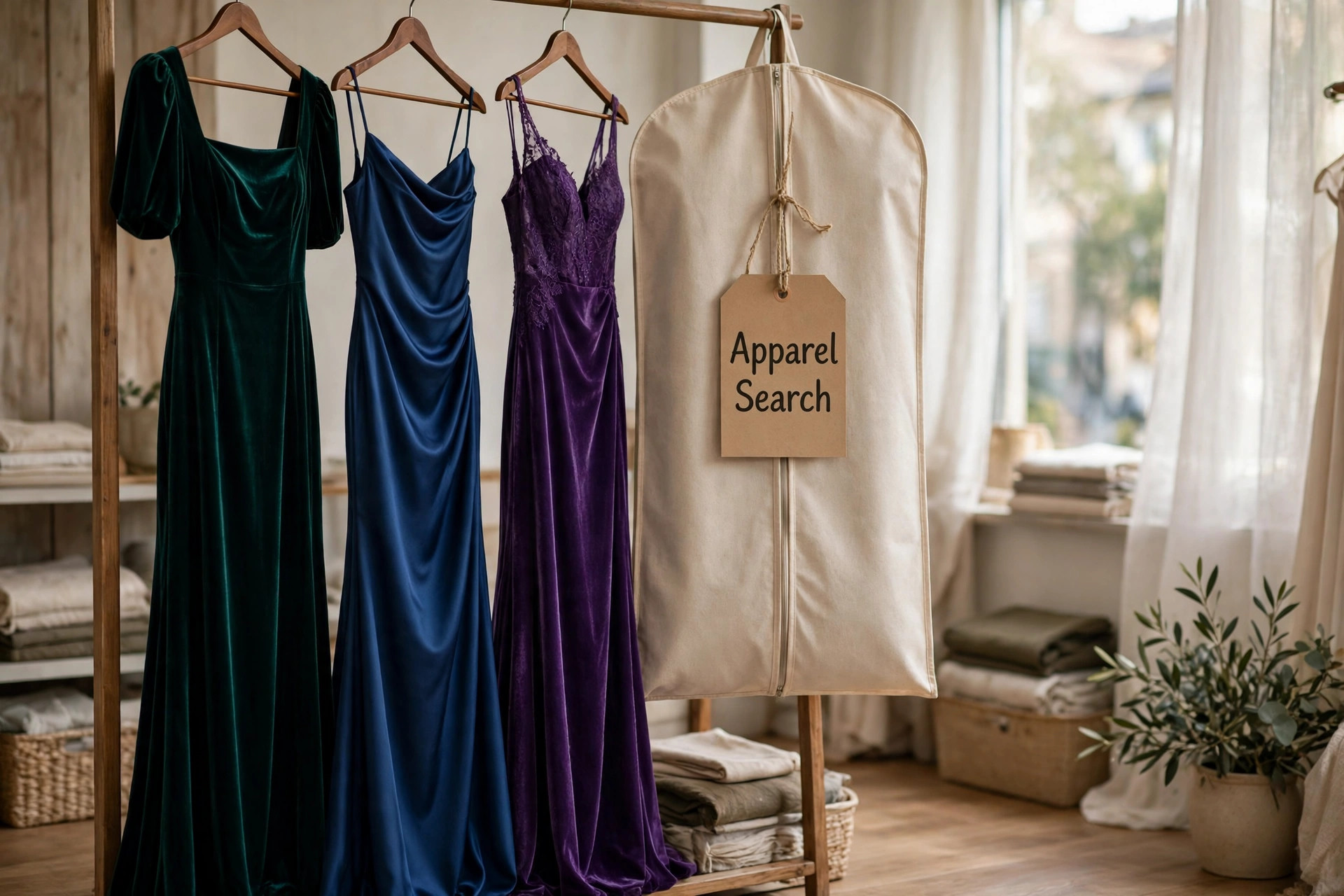
Step by Step: How an Occasion Rental Runs
- Choose the garment and the date. Rental is organized around your event date. You select a rental window — commonly a short period of a few days, with longer windows offered for a higher fee — and the service reserves that garment for those days and no one else. For high-demand dates (prom season, the June and September wedding peaks, the December holiday circuit), popular sizes book out weeks ahead; reserving early is the single easiest way to get the dress you actually want.
- Get the sizing right. Rental sizing follows the garment's label, but labels vary wildly between brands, and you cannot have a rental tailored. Work from measurements — bust, waist, hip and, for gowns, your height in the shoes you will wear — and compare them with the service's measurements for that style where they are published. Where a service offers a second size in the same shipment for a small extra fee, it is usually money well spent: a backup size converts a fit emergency into a non-event.
- Delivery and the try-on window. The garment arrives shortly before your event, cleaned, pressed and ready to wear. Try it on immediately — the exchange clock, where one exists, runs from delivery, not from your event. If neither size works, contact the service the same day; most have a defined process for exchanges or credit, and none can help you the morning of the event.
- Wear it — carefully, not fearfully. Normal wear is expected and priced in. The practical cautions are simple: be careful with the classic hazards (red wine, grass, candle wax, self-tanner and perfume sprayed directly on fabric), do not pin, tape, hem or alter the garment in any way, and keep tags attached where the terms require it. Temporary styling tricks that touch the dress itself are the most common accidental source of damage charges.
- Return it on time, exactly as instructed. Returns are usually by prepaid mailer or drop-off, with a deadline measured to the day — sometimes to the hour. You do not clean the garment; you simply pack it and hand it over. Set the return in motion the day after the event at the latest, and keep your drop-off or shipping receipt until the return is confirmed.
- Inspection and cleaning happen at the service. After return, the garment is inspected and professionally cleaned before it is rented again. If the inspection finds damage beyond normal wear, you will hear about it with a charge attached — which is why the damage terms deserve reading before the event, not after.
The Fine Print That Matters
Late fees are charged per day and exist for a structural reason: a garment returned late may miss its next reservation. Very late returns are often treated as losses and charged at the garment's replacement value. Damage charges follow a ladder — cleaning and minor repair at cost, major damage higher, and a ruined or lost garment at up to full retail value. Many services offer an optional damage protection or waiver at checkout; it typically covers accidental damage within limits and never covers loss or theft. Cancellation terms tighten as the date approaches: full refunds weeks out become credit, then nothing, because the garment has been held off the market for you. Read all three clauses for any service you use — they are short, and they are where rentals go wrong.
The Two Rules That Prevent Almost Every Problem
Reserve early, and return on time. Nearly every bad rental story is one of those two failures — the size booked by someone else, or the dress riding around in a car two days past its window while fees accumulate. The garment itself is rarely the problem.
Common Questions
How far ahead should I reserve a rental dress?
For ordinary dates, one to two weeks ahead is usually comfortable. For peak seasons — prom, the main wedding months, New Year's Eve — reserve as soon as your date is fixed, ideally a month or more out: rental inventory is one garment in one size, and when it is booked for your weekend, it is gone. Last-minute rental exists, but it is a choice among whatever is left.
What if the dress does not fit when it arrives?
Act the same day. If you ordered a backup size, try it first. If neither size works, most services offer an exchange if time allows, or credit toward a future rental under their fit policy — but those policies almost always require prompt contact after delivery. A fit problem reported after the event is almost never refundable, because the service had no chance to solve it.
Do I need to dry-clean the dress before returning it?
No. Cleaning after every rental is the service's job and is included in the fee — in fact, you are generally instructed NOT to wash or dry-clean the garment, since incorrect cleaning of specialty fabrics is itself a damage risk. Remove your belongings, pack the dress as instructed, and return it on time; the service handles the rest.
What counts as damage, and what is just normal wear?
Normal wear is what an evening of careful use leaves behind: light creasing, faint marks that come out in professional cleaning, a loosened thread. Damage is what changes the garment: tears, broken zips and closures, permanent stains, cigarette or candle burns, and any alteration — pins, tape residue and hemming all count. Damage is charged from repair cost up to the garment's retail value when it cannot be repaired.
Back to the Clothing Rental Guide
The three rental models, who each one suits, and the questions to ask before you sign up.