What Makes a Good Fabric Supplier?
Are you a good fabric supplier? This guide turns that question into a checklist buyers can actually use, covering accuracy, communication, consistency and accountability.
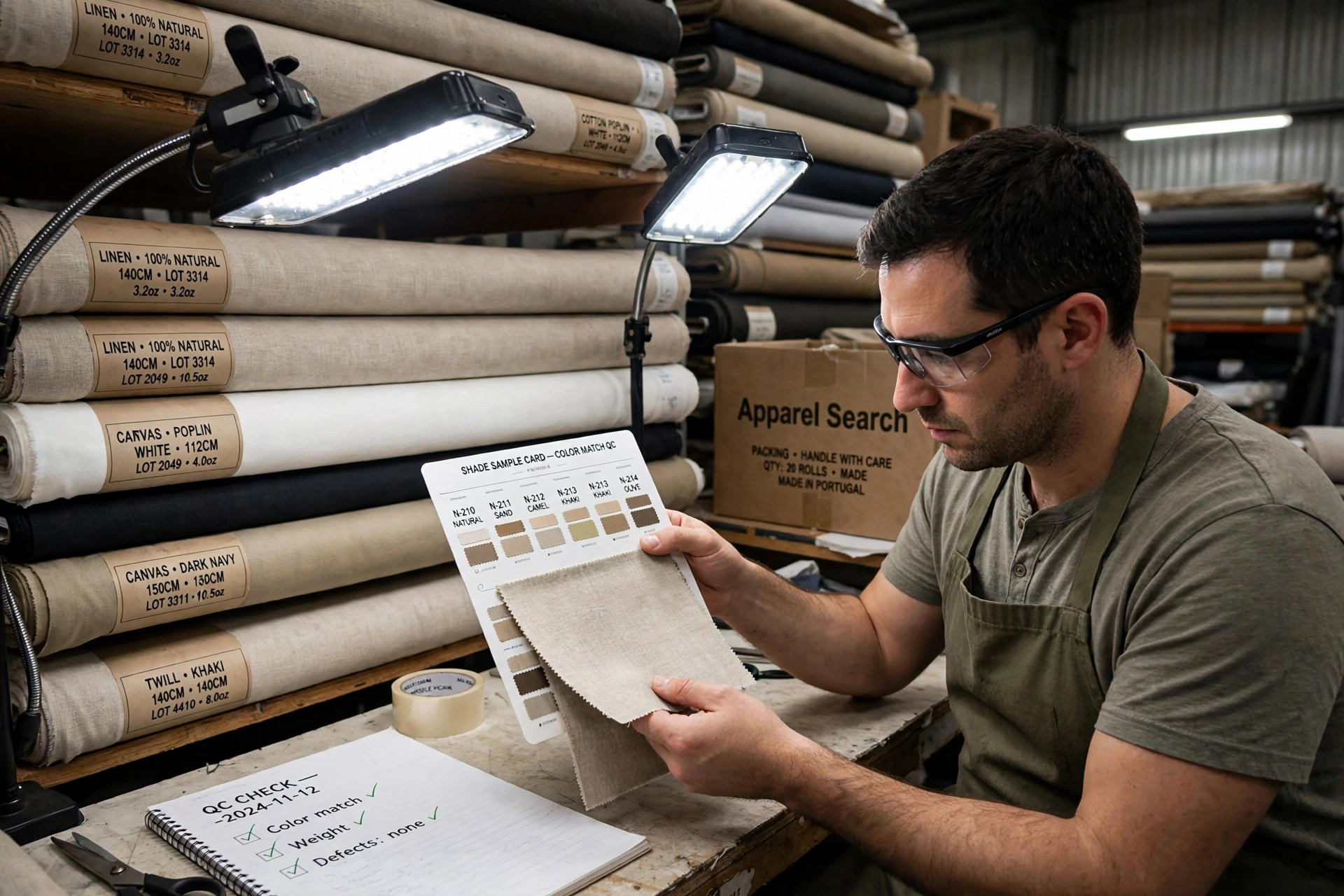
Accuracy You Can Measure
A good fabric supplier is, first, accurate about measurable things. The fiber content on the label matches the fiber in the cloth. The shade delivered matches the shade approved, lot after lot, so panels cut from different rolls sew into one garment without visible variation. The width is usable width, honestly stated, the weight falls within an agreed tolerance, and the yardage on the invoice is the yardage on the roll. None of these qualities is glamorous, and all of them decide whether a production run succeeds.
Buyers can test accuracy before risking a large order. Ask for a sample and then compare the bulk delivery against that sample for content, shade, hand and shrinkage. Wash and measure a cutting before committing the whole quantity. Keep the approved swatch, the purchase order and the test results together, because a good supplier welcomes that file: it protects the supplier, too, when a later complaint turns out to be about a different lot or a changed specification.
Communication Before, During and After Delivery
Accuracy fails occasionally in any mill, warehouse or store, so the second mark of a good supplier is communication. A good supplier confirms an order in writing with the specification restated, warns you early when a dye lot runs short or a delivery date slips, and tells you about a problem it discovers itself instead of letting you discover it on the cutting table. That early warning is often the difference between a manageable delay and a missed retail delivery, and it costs the supplier nothing but candor.
After delivery, a good supplier stays reachable and specific. Vague reassurance is not service. Look for a supplier that can say which lot shipped, what its own inspection found, and what it will do, replace, re-dye, credit or expedite, if the fabric fails an agreed test. Suppliers who answer those questions calmly for a small customer usually answer them the same way when the order, and the problem, are much larger.
Consistency Across Reorders
Many suppliers can produce one good roll. A good fabric supplier produces the same fabric again. Continuity matters because apparel is seasonal and repeat-driven: a style that sells will be reordered, and the reorder must match. Ask how long a quality has been in the supplier's line, whether the same mill and finish will be used for reorders, and what happens to your shade standard if the supplier changes sources. A supplier that keeps standards, records and retained samples is investing in your reorder business, not just your first order.
Consistency also applies to paperwork and packing. Rolls labeled the same way, invoices that match packing lists, and fabric rolled without creases or soiling all reduce your receiving and inspection costs. When you compare two quotations, compare these habits as well as the price per yard. A slightly higher price from a consistent supplier is frequently the cheaper choice once shortages, re-inspection and garment claims are counted honestly.
Are You a Good Fabric Supplier? Get Listed
If you are a good fabric supplier, create a listing on Apparel Search and get listed in the fabric directory, so buyers researching suppliers can find you alongside the mills, distributors, stores and jobbers in this section. A useful listing states plainly what you supply, which fabric categories you concentrate on, the quantities you serve and how buyers should contact you, without claiming to be the best at everything.
The related site Good Fabric Suppliers is a companion reference on the same theme. Whether you arrive as a buyer or a supplier, use the same standard: a good fabric supplier is known by verifiable habits, accurate content and shade, honest early communication, consistent reorders and clear responsibility when something goes wrong. Suppliers who can demonstrate those habits, order after order, rarely need to call themselves good. Their customers do it for them.
Additional Resource
One companion site is listed below.
Good Fabric Suppliers
The companion site of the same name, an additional resource on the theme of good fabric suppliers.
Common Questions
What is the most important quality in a good fabric supplier?
Accuracy about measurable things comes first: fiber content, shade, width, weight and yardage that match the order and the approved sample. Communication and accountability matter next, because even accurate suppliers occasionally have a batch go wrong.
How can a buyer test a new supplier without a large risk?
Start with samples, compare bulk against the approved swatch, wash and measure a test cutting for shrinkage, and keep the purchase order and test results together. Small, verified first orders reveal a supplier's habits cheaply.
How does a fabric supplier get listed on Apparel Search?
A supplier can create a listing on Apparel Search for the fabric directory. A strong listing states its fabric categories, quantities served and contact route plainly, without claiming everything.
More to Explore
References & Further Reading
Looking for Fabric Mills and Suppliers?
Start supplier research in the Apparel Search fabric directory or via the Fabric Search hub.