Fabric Mills: Finding a Good Fabric Supplier
A fabric mill is the factory that actually weaves or knits your cloth, so choosing one well matters more than choosing a catalogue. This page explains how to shortlist mills that genuinely make the fabric you need.
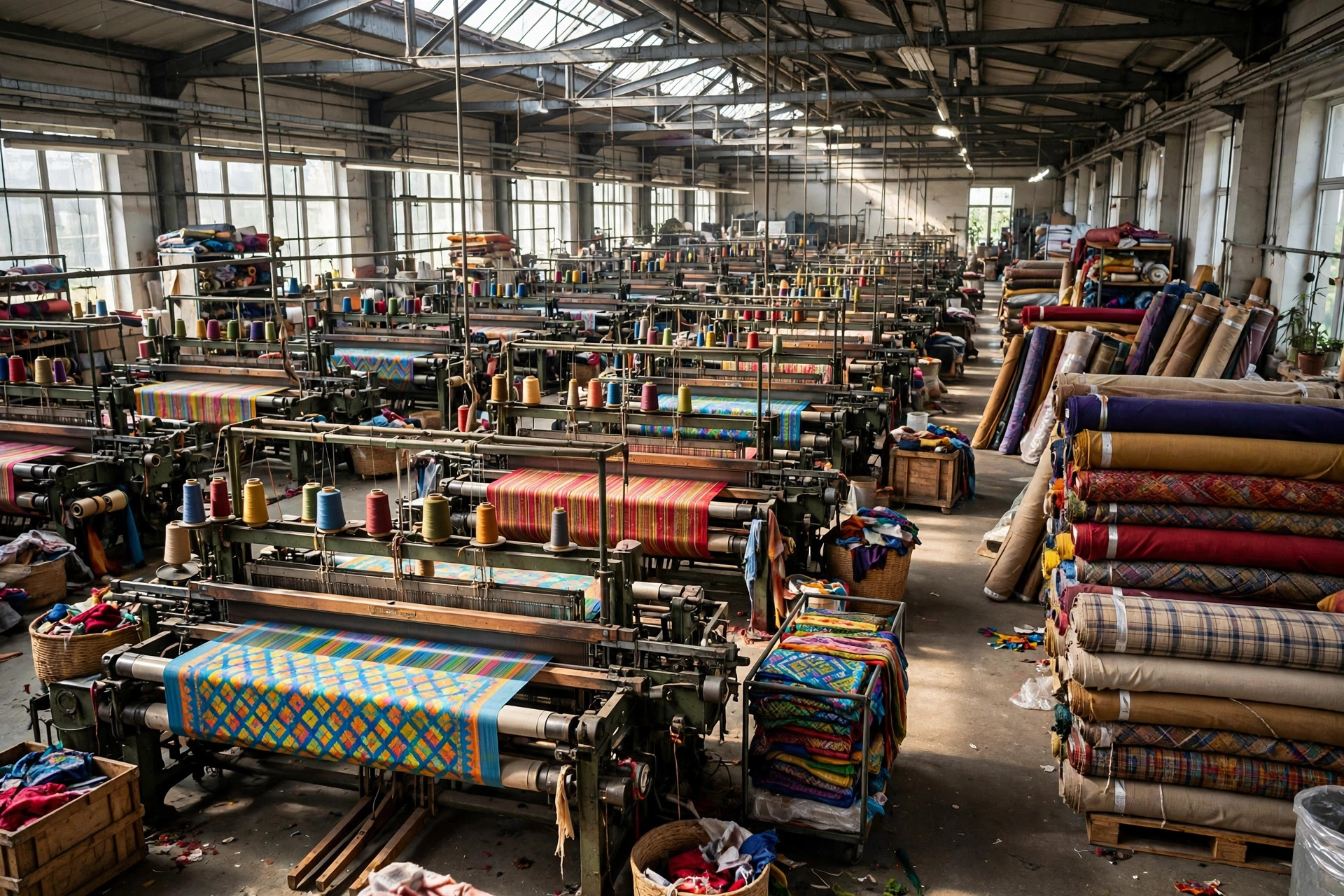
Start With Mills That List Your Fabric
Finding a good fabric supplier is certainly not easy, and no directory can promise that a factory is good. What a directory can do is give you numerous fabric mill choices to investigate for yourself. The original advice on this page was simple and still sound: contact a few mills that appear to offer the fabric classification you wish to have produced, then check the manufacturer's own website to see which fabric categories it lists there, for example flannel, poplin, madras, knit jersey or 1x1 rib.
Unless you are looking for a very unique fabric, select a mill that already lists the fabric you want on its site. Some factories say yes to everything you ask. If you ask whether they make flannel, they will say yes, but if they truly make flannel, why did they not list that fact when they built their website? Pick the factory that thought the category was important enough to list in the first place, because that usually means it is an important category of production for that facility, with looms, yarns and finishing routines already set up for it.
Read 'Best' and 'Leading' Claims the Right Way
When reading fabric mill descriptions in directories, understand how those descriptions are written. Each mill presents itself by saying something like we are the best, we are the leading, or we are number one. Some directories even change the we to they, so the same self-description sounds more like an independent review from the directory. It is not a review. A best or leading statement does not mean the mill actually is the best, and it does not mean it is lying either. It means the claim is advertising, and you must do your own investigation.
Your investigation can be practical rather than elaborate. Ask which constructions the mill runs most often, what widths and weights it produces, and whether dyeing and finishing happen in house or elsewhere. Request samples of the exact category you need, not a showpiece in a different cloth. A mill that answers specific questions specifically, and shows you fabric close to your target, is giving you far better evidence than any superlative on a directory page.
Use the Mill Directories in Layers
This page originally pointed readers to several complementary starting points, and using them in layers works well. The Apparel Search Fabric Mills directory lists fabric manufacturers alphabetically, which suits a buyer checking a name they already have. The Fabric Mill Directory organizes many mills by the fabric category the mill produces, which suits a buyer who knows the cloth but not the maker. Fabric Mills USA narrows the same search to mills in the United States.
Overseas mill directories widen the field further, especially for volume production. Treat every layer as a longlist, not a recommendation. Move a mill from longlist to shortlist only when its stated categories match your fabric, its answers stay consistent across questions, and its samples arrive as described. That disciplined narrowing, from many names to a few verified candidates, is the real work this page is asking you to do.
Questions to Ask Before Any Mill Order
Before committing yardage, confirm the details that directories cannot confirm for you. Ask about minimum order quantities for your construction and color, how shade lots are controlled between runs, what shrinkage and colorfastness testing the mill performs, and who pays for re-dyeing or replacement if a lot arrives off shade. Ask, too, how the mill handles a problem it discovers itself, because a supplier that reports trouble early protects your production calendar far better than one that ships and hopes.
Finally, match the mill to the job rather than searching for one mill for everything. A specialist in knit jersey, a specialist in woven flannel and a specialist in fine poplin are three different factories with different equipment and habits. The good mill for your fabric is the one for which your fabric is ordinary, repeatable work, produced every week, rather than a favor it is attempting for the first time on your order.
Common Questions
How can I tell if a fabric mill really makes the fabric I need?
Check the mill's own website and directory listings for that exact category, such as flannel, poplin or knit jersey. A mill that lists the fabric unprompted is more likely to produce it regularly than one that simply says yes when asked.
Should I believe a directory description that calls a mill the best or leading?
Treat it as the mill's own advertising, not a review. Some directories rewrite a mill's we are the best as they are the best. Do your own investigation with specific questions and samples.
What is the difference between the alphabetical and category mill directories?
The alphabetical Fabric Mills directory suits checking a known name, while the Fabric Mill Directory organizes mills by the fabric category they produce, which suits starting from the cloth you need.
More to Explore
References & Further Reading
Looking for Fabric Mills and Suppliers?
Browse the wider Apparel Search fabric directory or return to the Fabric Search hub to compare mills with distributors, stores and jobbers.