Ringspun Cotton Stores & Retailers
Dedicated retail listings for ringspun cotton are rare, because shops sell finished fabric and garments rather than yarn types. This page explains where to look instead, and how to recognise genuine ring-spun cotton when you find it.
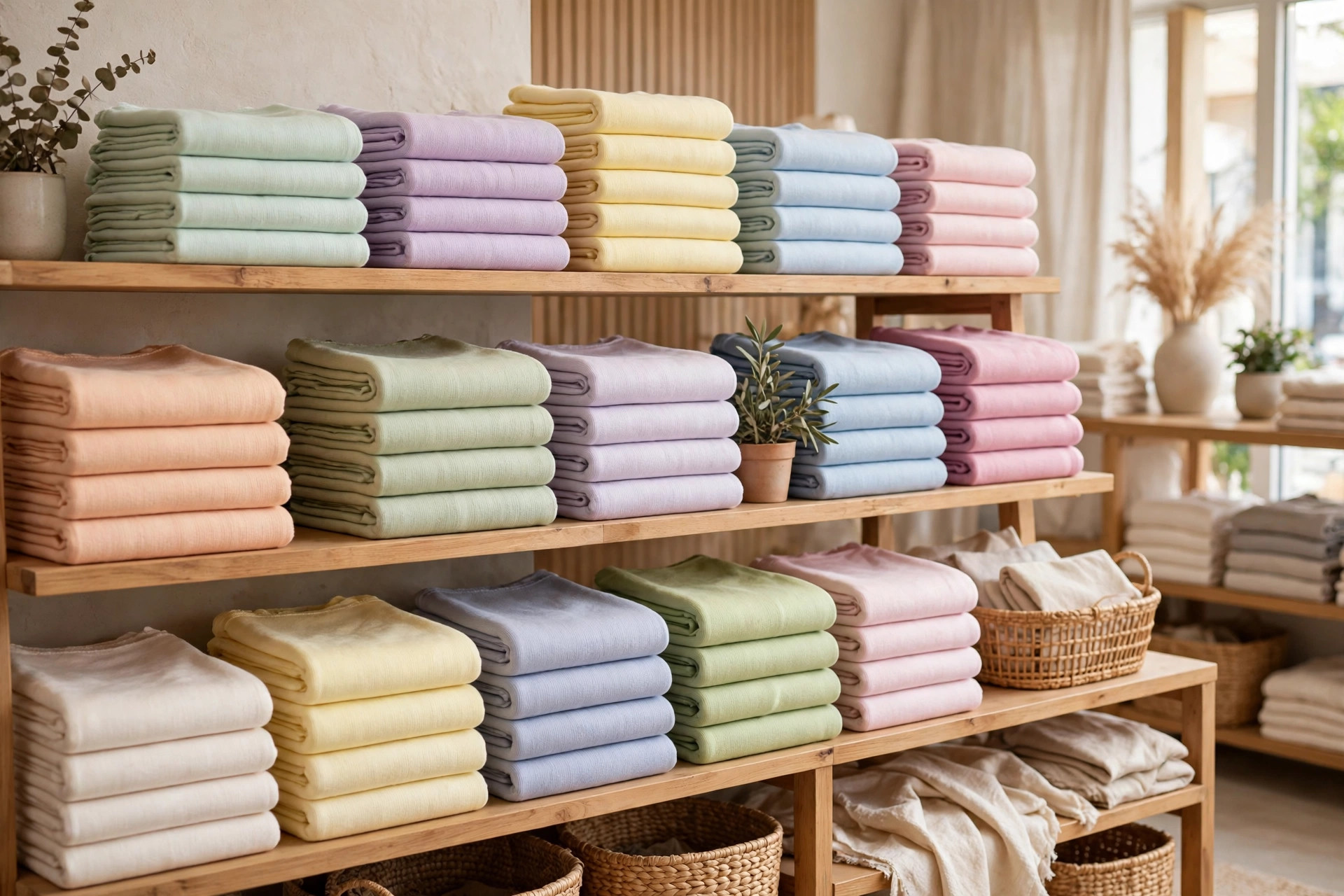
Why There Are So Few Ringspun Store Listings
The original page in this section was straightforward with its readers: at the time it was built, it carried no retail company listings for ringspun cotton, and it offered practical suggestions instead. That situation reflects how retail actually works. Ring spinning is a yarn process, and yarn processes are almost invisible at the point of retail sale. A fabric store organises its stock by fabric type, fibre and weight, cotton jersey, interlock, fleece, poplin, rather than by the spinning method used months earlier at a mill on another continent. A clothing store likewise sells the finished shirt, not the yarn specification behind it.
So the realistic retail route to ringspun cotton runs through product descriptions rather than store categories. Better T-shirt and basics brands state ring-spun, and often combed ring-spun, in their garment descriptions because it is a genuine quality claim their customers have learned to value. Fabric retailers who specialise in quality knit fabrics sometimes state the yarn type for their premium jersey. Everywhere else, you infer: a smooth, even, low-hairiness cotton knit at a slightly higher price point is very likely ring-spun, while the cheapest promotional garments are usually made from open-end yarn.
Where to Look: Jersey and Knit Fabric Stores
For fabric by the yard, start with jersey fabric stores and knit fabric stores, the two neighbouring categories the original page recommended. Ring-spun cotton reaches home sewers and small makers mainly as cotton jersey, the same construction used for T-shirts, sold in solid colours and prints by the metre or yard. Ask the retailer directly whether a jersey is made from ring-spun or combed ring-spun yarn; specialist knit suppliers often know their mill sources and can answer, and the better ones describe yarn quality in their product listings because their customers sew garments where hand feel is the whole point.
If you are buying finished garments rather than fabric, look at basics and underwear retailers rather than fashion stores. Plain T-shirts, vests, underwear, socks, baby clothes and bedding are the categories where ring-spun cotton is marketed most explicitly, because softness against the skin and survival through repeated washing are the selling points. Read the full product description, including the fabric composition panel, rather than relying on a headline, and treat an unqualified cotton claim on a very cheap garment as a sign that the yarn is a standard open-end quality.
Checking Quality Before You Buy
You can assess a cotton knit with your hands and eyes before spending anything. Hold the fabric up and look at the surface: ring-spun yarn knits into a smoother, cleaner face with less fuzz, while open-end yarn often looks slightly hairy and uneven. Rub the surface gently; excessive loose fibres and early pilling suggest shorter fibres and looser twist. Stretch the fabric and release it: a well-made ring-spun jersey recovers cleanly. Check the inside of a garment too, where a tidy, even loop structure usually matches a tidy yarn, and look at the weight, because a very light fabric will feel soft regardless of yarn quality but may not last.
Labels and descriptions deserve the same scrutiny. Combed ring-spun is the strongest common claim, followed by ring-spun on its own; both are meaningful, but neither guarantees a heavyweight or long-lasting garment without a decent fabric weight behind it. Note the fibre blend as well: a small percentage of polyester or elastane changes washing behaviour, recovery and feel, which may be exactly what you want for sportswear but not for a classic cotton tee. Keeping a note of which purchases performed well, brand, weight and yarn claim, turns guesswork into a personal standard you can reuse.
When Retail Is Not the Right Route
If you need ringspun cotton fabric in production quantities, a retail store is the wrong supplier, and this section is organised to move you upstream. The wholesalers page covers distributors trading ring-spun yarn and fabric in bulk, and the mills page lists the spinning companies themselves, which is where specifications such as combed or carded, yarn count and quantity are properly discussed. Designers often combine both routes: buy retail jersey for samples and fit prototypes, confirm the garment works, then source the production fabric wholesale to a written specification based on the sample that succeeded.
Finally, keep learning the material itself. Understanding cotton fibre, how staple length and combing affect yarn, and how yarn affects fabric makes every later purchase easier, whether you are a home sewer choosing jersey or a buyer comparing supplier quotations. The cotton definition and cotton news resources linked from this section are good background reading, and the mills and wholesalers pages show how the trade describes the same qualities you are learning to feel by hand. Knowledge at the fibre level is what turns ringspun from a label word into a standard you can actually shop by.
Common Questions
Can I buy ringspun cotton fabric by the yard?
Yes, most often as cotton jersey from knit and jersey fabric stores. Retailers do not usually organise stock by spinning method, so ask whether a jersey is ring-spun or combed ring-spun, and judge the surface by hand: genuine ring-spun jersey looks smoother and less fuzzy than standard cotton jersey.
How can I tell if a T-shirt is really ring-spun cotton?
Check the product description for ring-spun or combed ring-spun wording, then handle the garment: the face should feel smooth and even with little surface hair, and the fabric should recover cleanly when stretched. Price is a supporting clue, since ring-spun yarn costs more to produce than open-end yarn.
Is ringspun cotton worth paying more for?
For garments worn against the skin and washed often, such as T-shirts, underwear and baby clothes, usually yes: ring-spun fabric feels softer, pills less and keeps its surface longer. For items where feel matters less, standard cotton may be perfectly adequate and cheaper.
Looking for Fabric Mills and Suppliers?
For fabric retailers beyond this section, browse the Apparel Search fabric directory, or explore other fibres from the Fabric Search hub.