Ringspun Cotton Wholesalers & Distributors
Wholesalers and distributors are where ring-spun yarn and fabric change hands in production quantities. This page keeps the original trade listings and explains how wholesale buying in this category works.
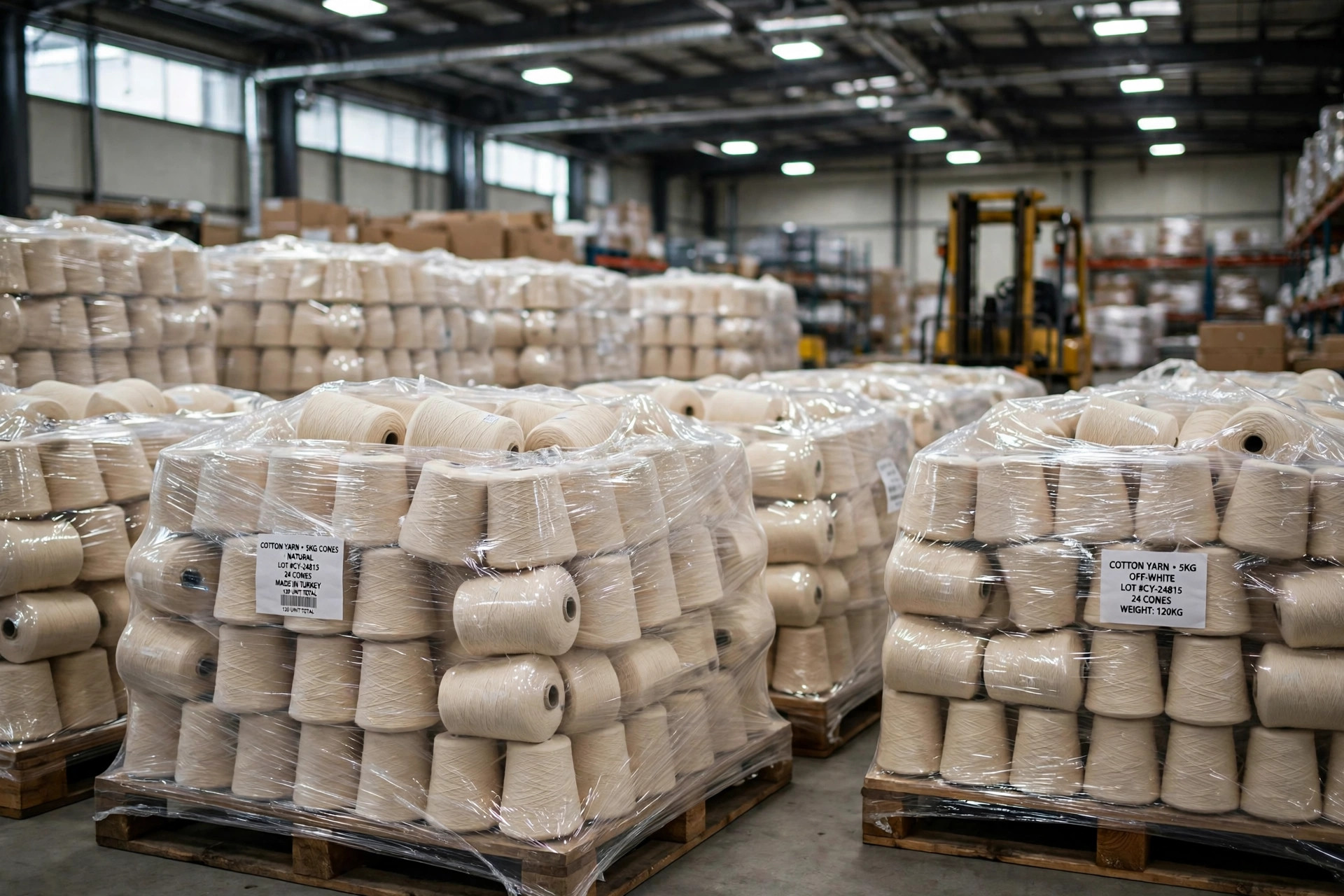
The Wholesaler Role in the Ringspun Chain
Between the spinning mill and the garment factory sits a layer of trade that many buyers rely on: wholesalers, distributors and indenting agents who hold stock, combine ranges from several mills, and sell in quantities and assortments a single mill would not handle. Mills prefer to sell large, uniform production runs. A knitter who needs three counts from two countries, or a fabric producer who needs ring-spun yarn this month rather than after a full spinning schedule, uses a wholesaler to bridge that gap. The listings below reflect that reality: they include yarn traders, a diversified export group that grew into spinning, and a long-established fabric wholesaler.
Working through a wholesaler costs a margin, but it buys flexibility and risk reduction. A good distributor knows which mills are reliable for which counts, holds buffer stock against delays, checks quality on arrival, and can offer credit and consolidated shipping that a direct mill relationship might not. For smaller manufacturers, that service is often worth more than the theoretical saving of buying direct. The key is to be precise about what you are buying, because a wholesaler can only match a specification you actually state: fibre, carded or combed, count, twist purpose, and whether the yarn is intended for knitting or weaving.
Specifying Ring-Spun Yarn for Wholesale Orders
A wholesale yarn enquiry should read like a technical brief. State the fibre composition first, 100% cotton or the exact blend, then the preparation, carded or combed, and compact if you need it. Give the yarn count in the system you use and confirm which system the quotation uses, because count conventions differ between markets and a misunderstood count wrecks a production run. Add the end use, single jersey, rib, interlock, or a woven construction, since knitting yarns and weaving yarns are twisted differently, and say whether the yarn must be suitable for dyeing in piece, yarn-dyed work, or used in its natural state.
Quantity, packaging and delivery complete the specification. Cone size and winding affect how the yarn runs on your machines, and waxing matters for knitting yarns. Ask about minimum order per count and colour, lead time from order to dispatch, and how the distributor handles claims if a lot proves uneven or contaminated. Request a sample cone and knit or weave it before committing; a short trial on your own equipment reveals more about evenness, hairiness and strength than any certificate. Keep the approved sample and lot references with the order so repeat purchases can be matched against them.
Yarn, Fabric, or Both?
Notice that the companies in this category do not all sell the same thing. Some trade primarily in yarn, offering filament and spun yarns sourced from multiple countries and mills, including imported ring-spun and open-end yarns and speciality types such as slub and elastane-blended yarns. Others are fabric wholesalers in the classic sense, stocking wide ranges of woven and knitted fabrics built up over decades of trading. A buyer should establish early which form they are purchasing: yarn to convert themselves, greige fabric to finish, or finished fabric ready to cut. Each form implies different equipment, lead times and quality checks on your side.
There is also a geographic dimension. Ring-spun yarn is traded internationally at large scale, with major spinning capacity in India, Pakistan, China and the United States, among others, and the distributors listed here draw on exactly those sources. Imported yarn can be excellent value, but allow for shipping time, customs, currency movement and the practical difficulty of resolving a quality claim at distance. Many buyers blend sources: a dependable domestic wholesaler for urgent and standard needs, and direct import channels for planned volume, once the specification and the supplier relationship have both been proven.
Using This Wholesalers Directory
The four listings below are the company listings the original Ringspun Cotton Wholesalers page carried, each with the description the company provided at the time: an India-based yarn and fabric trading corporation acting between manufacturers and customers worldwide, an export group with roots in the late 1970s that expanded from fabric exports into spinning, a third-generation New York fabric wholesaler founded in the 1920s, and a group offering a broad menu of filament and spun yarns from principals across Asia. Together they show the range of businesses that wholesale ring-spun products, from indenting agents to stock-holding merchants.
Use the notes to shortlist by type rather than by name alone. If you need yarn breadth and sourcing reach, start with the yarn traders. If you need stocked fabric with domestic delivery, start with the fabric wholesaler. Then verify current ranges and contact details on each company own website, since assortments and terms change over time. If you are new to wholesale buying in this category, the wholesale fabric and wholesale yarn guides on Apparel Search explain the general mechanics, minimums and trade terms that apply across the fabric business, not just to ring-spun cotton.
Ringspun Cotton Wholesalers Listed Here
The listings below are the ones the original Apparel Search directory carried on this page, kept with their original descriptions in brief.
Concept Textile Corp.
India-based corporation, established in 1994 and run by professionals with decades of textile experience, acting as indenting agent, exporter and supplier of textile yarns including spun yarn, plus cotton and polyester fabrics, between manufacturers and customers in the global market.
National Group
Group that began with National Export Corporation, a trading company started in 1978, whose experience exporting knitted and woven fabrics provided the base for later growth into the spinning sector.
Perfect Textiles
Third-generation fabric wholesaler founded in 1922 in New York, now operating a sales office in New York City and a large facility in Kearny, New Jersey, supplying a wide range of fabrics to customers domestically and worldwide.
Sagar Group
Supplier offering a wide variety of yarns from established spinners, including polyester filament and spun yarns and imported ring-spun and open-end yarns, among them slub and elastane-blended types, sourced from several Asian producing countries and India.
Common Questions
What is the minimum order for wholesale ring-spun yarn?
Minimums vary widely by distributor and by yarn count, from a few cones for sampling to full production lots per count and colour. State your quantity honestly when enquiring: a wholesaler who holds stock can often supply smaller trial amounts than a mill, which must schedule a spinning run.
Should I buy ring-spun yarn direct from a mill or through a wholesaler?
Direct mill buying suits large, regular volumes of a fixed specification. A wholesaler suits mixed counts, smaller quantities, faster delivery from stock and consolidated sourcing from several mills. Many manufacturers use both routes for different parts of their range.
How do I check a wholesale yarn lot before paying for a full order?
Request sample cones from the actual lot, knit or weave a trial panel, and check evenness, hairiness, strength and how the fabric washes and dyes. Compare the result against your approved standard and keep lot references so any claim or repeat order can be tied to the tested material.
More to Explore
Looking for Fabric Mills and Suppliers?
For wholesale fabric and yarn beyond ring-spun cotton, see the wider Apparel Search fabric directory or return to the Fabric Search hub.