Harold's Stores
Apparel industry financial guide — Retail Company Stocks.
Harold's Stores was a Dallas-based chain of traditional, classically styled specialty apparel stores for women and men, operating 43 stores in 19 midwestern and southeastern states at its peak. The company was granted bankruptcy liquidation on November 10, 2008 and began liquidating its stores immediately. Harold's was known for conservative, high-quality classic clothing — the opposite pole of American specialty retail from the fast-fashion chains rising around it.
Company Snapshot
Status: Closed — granted bankruptcy liquidation on November 10, 2008 and liquidated its stores
Type: Private — defunct
Headquarters: Formerly Dallas, Texas, United States
Company Profile
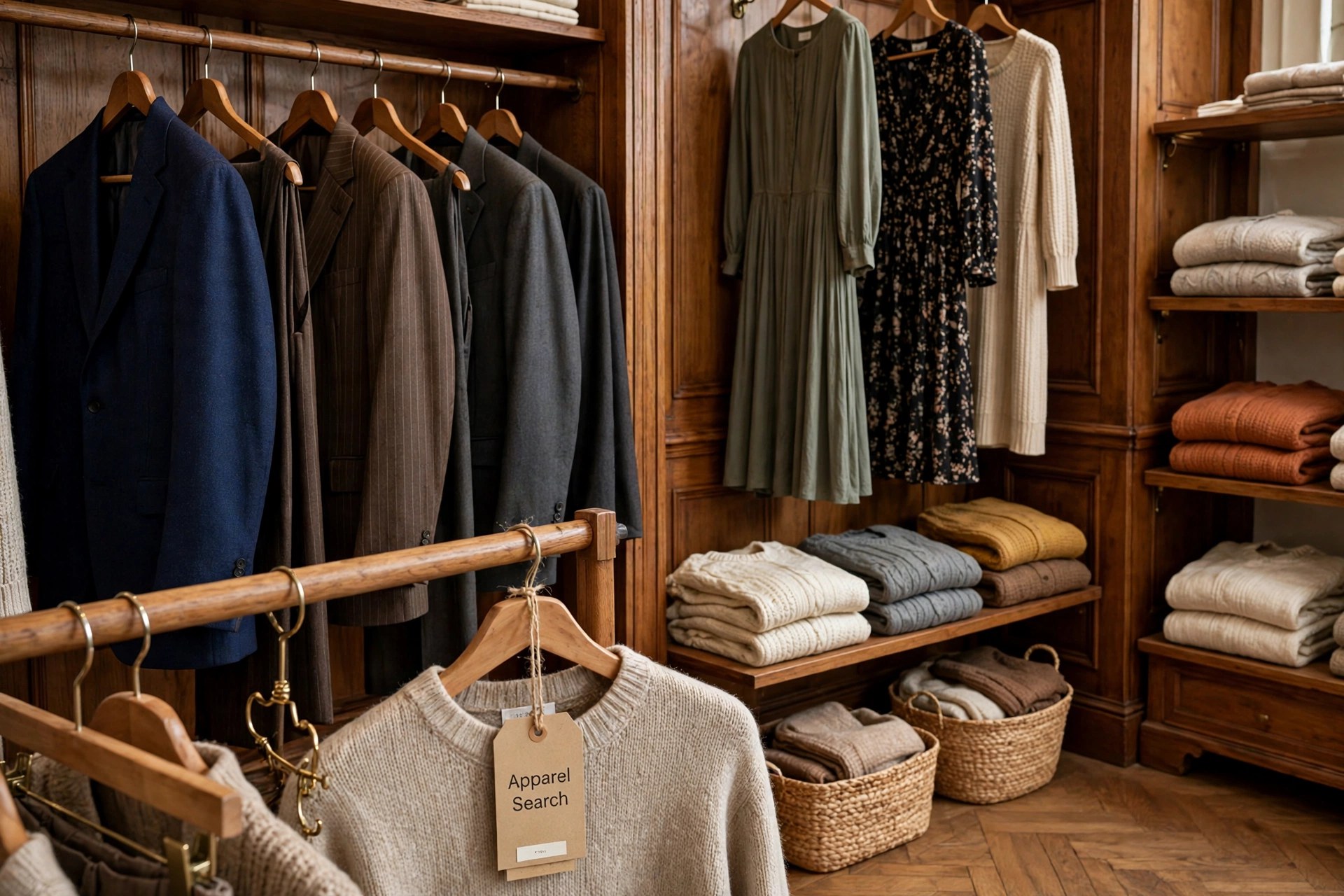
The historical reference in the record describes the pre-bankruptcy business: a multi-channel specialty retailer of ladies' and men's apparel, accessories and footwear, selling through its stores, catalogues and website. Harold's customer bought clothing meant to last — tailored sport coats, dresses and knitwear in a traditional idiom, merchandised in clubby, wood-panelled stores. The chain's reputation rested on personal service and alterations, the habits of an earlier specialty-store era, which loyal customers valued precisely because the wider market was abandoning them.
The two short notices in the record frame the end precisely: the chain of 43 stores in 19 states, and the November 10, 2008 liquidation order. Harold's filed in the same brutal autumn as Gottschalks and several other regional chains, when credit for mid-sized apparel retailers simply disappeared.
The range behind the name is traditional men's and women's apparel, accessories and footwear. Its customers are customers seeking classic, conservative clothing in midwestern and southeastern states. That combination — what is sold, and to whom — is the simplest way to place Harold's Stores in the industry: it explains the company's costs, its competitors and the kind of news that moved its shares when it had them. A change in either half of the combination, a new product category or a new customer, is usually the first sign that the business described in the older summaries is turning into something different.
Scale should be read from the dated summaries with their dates attached. Store counts, sales descriptions and market positions quoted there were the company's own account of itself in that year, and they are the right basis for comparing Harold's Stores with the other companies in this section — a component supplier against a retailer, or a catalogue house against a mall chain — as long as each figure is compared with figures from roughly the same period.
Because Harold's Stores no longer operates independently, there is no current company website to link from the snapshot, and enquiries that would once have gone to its head office belong with the successor named in the status line — or, where the business closed entirely, the record here is the end of the trail. The dated summaries remain useful to researchers precisely because the company can no longer update its own account of itself.
For anyone researching the fashion industry's public-company era, Harold's Stores is a useful case: a conservative clothier liquidated in the same autumn that took several regional chains. The summaries in this section were compiled while the story was still unfolding, which is exactly what makes them worth keeping — they preserve what the company said about itself at the time, before the outcome was known.
Harold's Stores History & Historical Profile →Common Questions
When did Harold's Stores close?
In late 2008. The company was granted bankruptcy liquidation on November 10, 2008 and began liquidating its stores immediately.
What did Harold's sell?
Traditional, classically styled men's and women's apparel, accessories and footwear, through stores in 19 midwestern and southeastern states.
Where was Harold's based?
In Dallas, Texas.
References & Further Reading
Company details such as leadership, ownership, store counts and web addresses can change. This company no longer operates independently, so there is no current official website to check; the information here is a historical record of the business as it was.