Neiman Marcus
Apparel industry financial guide — Retail Company Stocks.
Neiman Marcus is the Dallas luxury department-store company founded in 1907 by Herbert Marcus, his sister Carrie Marcus Neiman and her husband A.L. Neiman, famous for its Christmas Book, its InCircle loyalty programme and some of America's most luxurious stores. Long held by private-equity owners after earlier lives inside larger groups, Neiman Marcus Group restructured through Chapter 11 in 2020, was acquired by Saks Global in a $2.7 billion deal completed in December 2024, and became part of a combined luxury group whose parent filed for Chapter 11 in January 2026 and restructured during 2026; the Neiman Marcus stores continue to trade.
Company Snapshot
Status: Operating — acquired by Saks Global in December 2024; its parent filed for Chapter 11 in January 2026 and restructured in 2026, with Neiman Marcus, Saks Fifth Avenue and Bergdorf Goodman stores continuing
Type: Private — part of the Saks Global group (restructured as Exemplar Luxury Group in 2026)
Headquarters: Dallas, Texas, United States
Founded: 1907, in Dallas, Texas
Visit the Official Neiman Marcus Website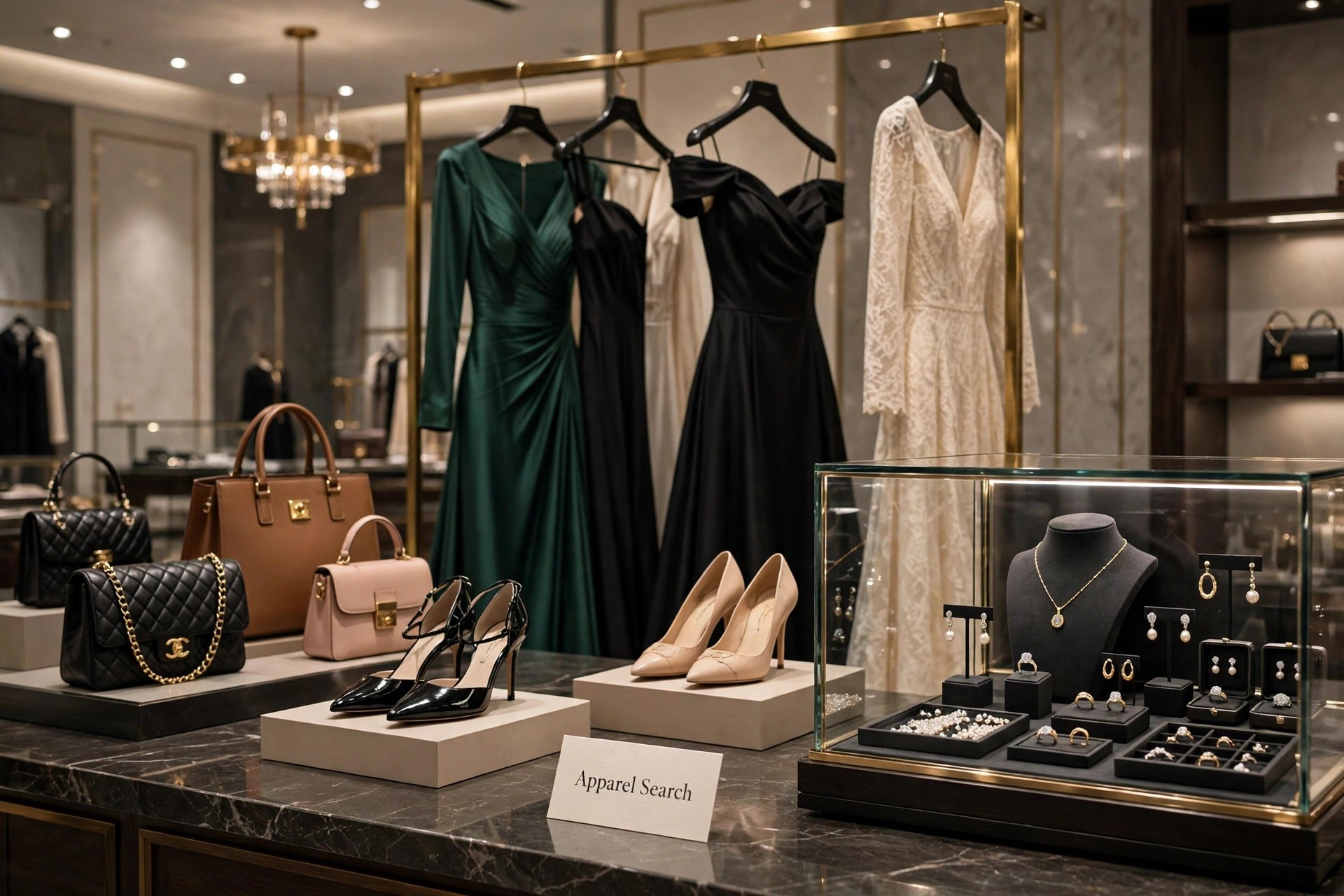
Company Profile
The February 2019 summary in the record describes the pre-sale group: a luxury, multi-branded, omni-channel retailer operating under Neiman Marcus, Bergdorf Goodman, Last Call, Horchow, CUSP and mytheresa. The October 2013 summary records the store-era business: high-fashion apparel from labels such as Chanel and Prada, fine jewellery and home goods, from 40-plus Neiman Marcus stores in some 20 states, two Bergdorf Goodman stores in New York and more than 35 Last Call clearance stores.
The August 2015 summary catches a road not taken: the announcement of a registration statement for a proposed initial public offering — the second filing of that kind in a few years — which would have returned Neiman Marcus to the public markets. The IPO never happened; instead the company stayed private, restructured in 2020, and was ultimately combined with its oldest rival, Saks Fifth Avenue.
The range behind the name is luxury apparel, shoes, accessories, fine jewellery and home goods under Neiman Marcus and Bergdorf Goodman. Its customers are affluent customers, in stores and online. That combination — what is sold, and to whom — is the simplest way to place Neiman Marcus in the industry: it explains the company's costs, its competitors and the kind of news that moved its shares when it had them. A change in either half of the combination, a new product category or a new customer, is usually the first sign that the business described in the older summaries is turning into something different.
Scale should be read from the dated summaries with their dates attached. Store counts, sales descriptions and market positions quoted there were the company's own account of itself in that year, and they are the right basis for comparing Neiman Marcus with the other companies in this section — a component supplier against a retailer, or a catalogue house against a mall chain — as long as each figure is compared with figures from roughly the same period.
For current dealings, the snapshot at the top of this page is the place to start: it gives the company's present status — Operating — acquired by Saks Global in December 2024; its parent filed for Chapter 11 in January 2026 and restructured in 2026, with Neiman Marcus, Saks Fifth Avenue and Bergdorf Goodman stores continuing — and links to the official website, which is where current product ranges, store information and investor or corporate contacts are maintained. Anything in the dated summaries that conflicts with the snapshot should be read as the older position: summaries describe the year they are dated, and the snapshot describes the company as it stands now.
For anyone researching the fashion industry's public-company era, Neiman Marcus is a useful case: a 1907 Dallas luxury name combined, nearly 120 years on, with its oldest rival. The summaries in this section were compiled while the story was still unfolding, which is exactly what makes them worth keeping — they preserve what the company said about itself at the time, before the outcome was known.
Neiman Marcus History & Historical Profile →Common Questions
Who owns Neiman Marcus now?
The Saks Global group, which acquired Neiman Marcus Group for about $2.7 billion in December 2024. The parent filed for Chapter 11 in January 2026 and restructured in 2026; Neiman Marcus stores continue to operate.
Is Neiman Marcus a public company?
No. It has been privately held for decades; a proposed IPO was announced in 2015 but never completed.
When was Neiman Marcus founded?
In 1907, in Dallas, Texas, by Herbert Marcus, Carrie Marcus Neiman and A.L. Neiman.
References & Further Reading
Company details such as leadership, ownership, store counts and web addresses can change. For the most current information, check the company's official website: https://www.neimanmarcus.com/.